Xbox Nano puts a rechargeable $50 controller in a smaller shell
Microsoft’s compact pad retains the standard inputs and supports consoles, PCs and mobile devices. US availability is listed for November 4; Italian pricing needs a local check.
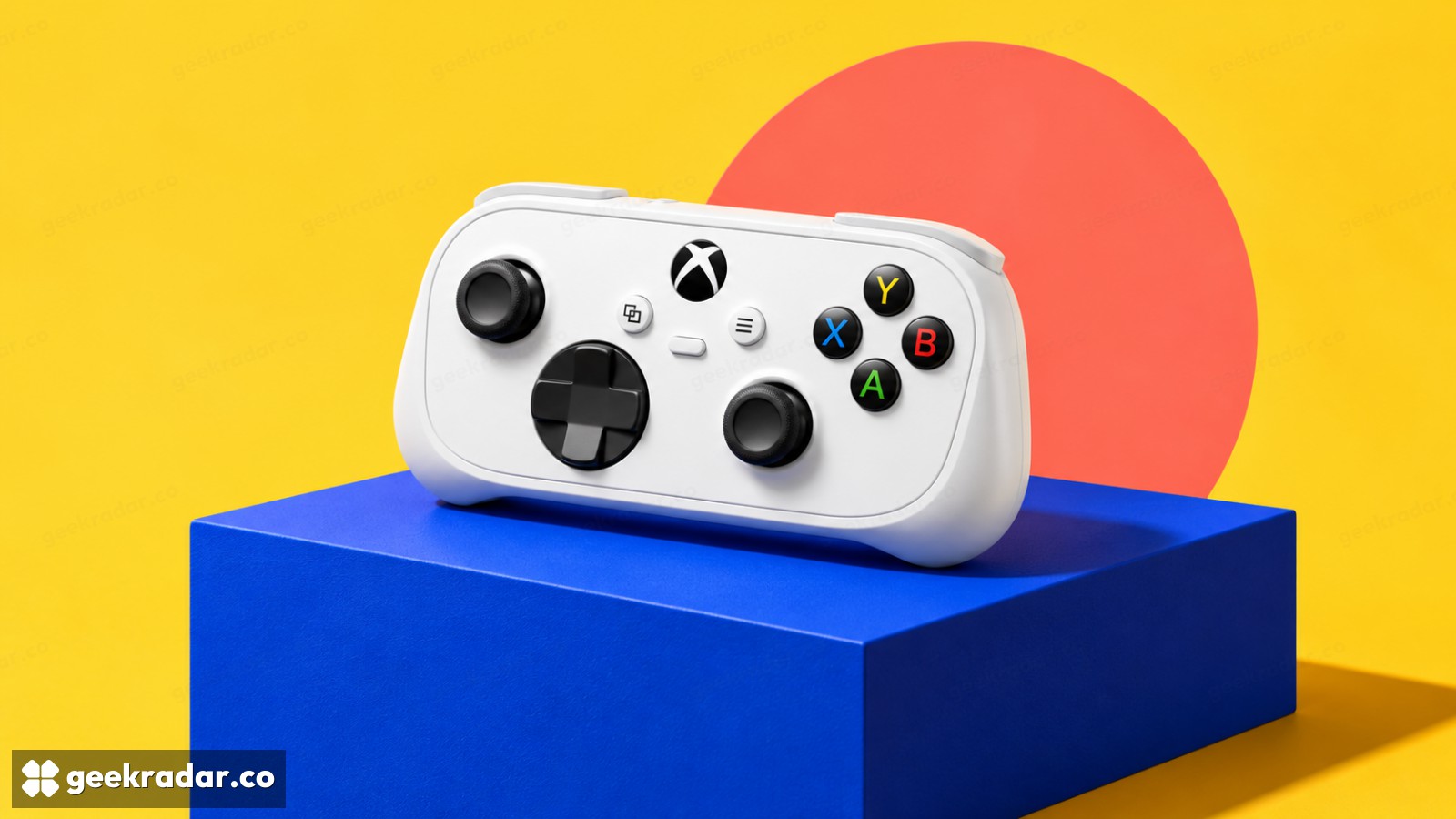
Microsoft’s Xbox Nano Controller puts a familiar set of controls into a smaller, rechargeable pad priced at $49.99 in the US. Preorders opened on October 14, with the US store listing November 4 availability. Microsoft includes Italy among the supported launch markets, but the US price should not be read as an Italian price.
The Xbox announcement describes a controller just over five inches wide and weighing 3.5 ounces—roughly 12.7 centimetres and 99 grams. Its shallow shape gives it an obvious place in a travel bag, while the smaller dimensions may appeal to players who find a full-size controller unwieldy.
Small does not mean fewer standard inputs
Nano retains the standard 18-input layout and adds a programmable Action Button. It supports Xbox Wireless and Bluetooth, allowing it to serve different devices without being designed solely as a phone accessory. A built-in rechargeable battery is another meaningful distinction for someone packing a controller alongside a laptop or tablet.
Those specifications establish capability, not comfort. A smaller shell changes the spacing between controls and the position of the hands. People with different grip styles may reach opposite conclusions about whether that is an improvement. Weight and width alone cannot settle how the pad feels over a long session.
The Microsoft Store listing names Xbox Series and Xbox One consoles, Windows 10 and 11, iOS, Android and selected televisions among its supported devices. USB-C provides charging, but the cable is sold separately. That is worth checking if the intended use involves taking it straight from its box on a trip.
Compatibility is only one part of access
A compatible controller does not grant access to games or subscriptions on the device it connects to. Cloud play still depends on the relevant service, account, region and connection. Local games need their own controller support. The hardware can make switching between devices more convenient without making every game portable between them.
That boundary also runs through Xbox’s broader work on library portability. A smaller pad addresses the physical inconvenience of carrying controls; software support and purchase rights remain separate.
Nano’s appeal is consequently easy to define without inventing a hands-on verdict: a lighter controller with a full set of standard inputs and broad device compatibility. For Italian buyers, the remaining purchase checks are the local price, delivery date and whether the compact shape suits their hands.