DJI Matrice 5T combines thermal detail and obstacle sensing. The limits still matter
Native thermal resolution, enhanced output and laboratory endurance are different specifications in DJI’s new inspection drone.
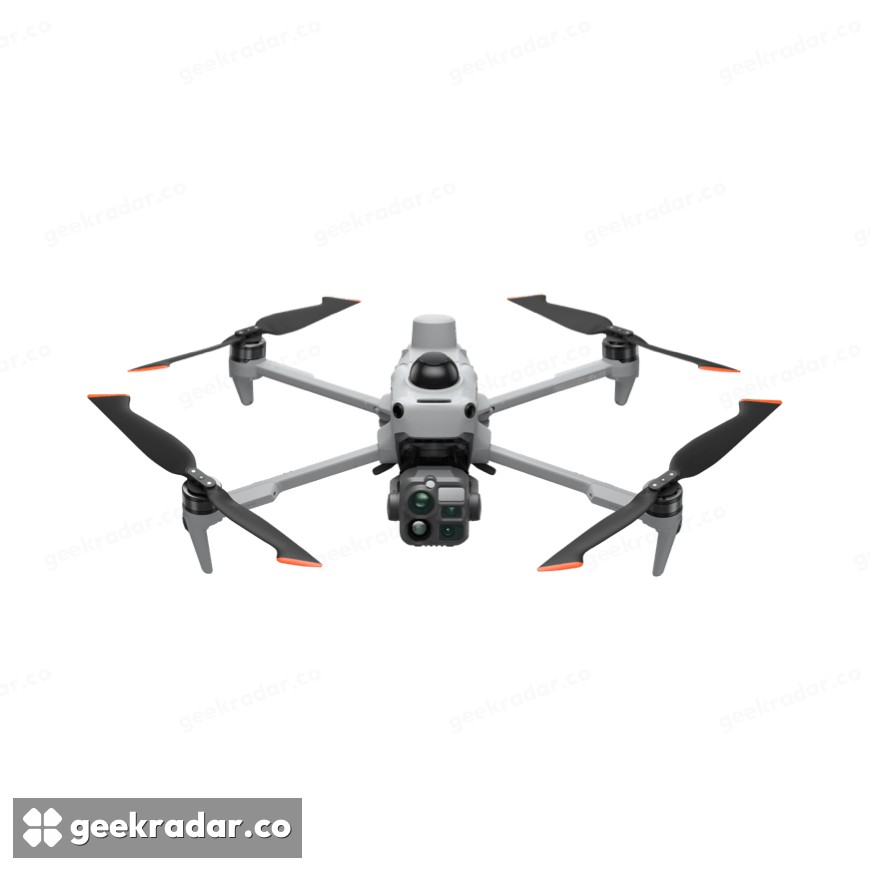
DJI's Matrice 5T combines a higher-resolution thermal camera with several ways of sensing obstacles, aiming at inspections and emergency work where a clear daytime view is not guaranteed. The headline thermal specification is 1280 × 1024 native pixels, four times the pixel count of a 640 × 512 sensor. The distinction between that sensor and enhanced output is essential to understanding the drone.
The Matrice 5T product documentation also describes LiDAR, millimetre-wave radar and visual sensing, alongside IP55 protection. These are different tools for different conditions, rather than a promise that the aircraft can detect every hazard or operate without a trained pilot.
More thermal pixels, with an important output distinction
Thermal imaging can reveal temperature differences that ordinary colour video does not make obvious. In inspection work, that can help an operator find an unusual hot area before deciding what further investigation is needed. More native pixels can provide finer spatial detail, but a temperature image is not by itself a diagnosis of the cause.
DJI also advertises a 2560 × 2048 infrared UHR mode at 30 frames per second. That output should not be described as a native sensor with that resolution. The physically captured 1280 × 1024 image and the enhanced output are separate specifications, even when both appear on the same product page.
The controller can combine thermal and visible views and show multiple feeds. This is useful because a warm shape is easier to interpret when the operator can place it in the visible scene. The practical benefit is context, not merely a larger number attached to the thermal camera.
Sensing systems have operating boundaries
DJI describes LiDAR as useful for thin obstacles and low-light conditions, with radar contributing when rain, dust or fog makes visual sensing more difficult. Its documentation also distinguishes forward sensing in total darkness from the broader visual system available under suitable illumination.
That is a reason to avoid the blanket phrase “sees everything in the dark.” Different sensors have different coverage and conditions. The support documentation makes a related distinction for automated power-line inspection: when an obstacle is detected, the drone brakes and hovers rather than automatically finding its way around it. The pilot must handle the interruption and resume the task.
The 59-minute figure is a laboratory maximum
DJI quotes up to 59 minutes of flight, but the published specifications define the conditions: approximately 9 metres per second forward flight in a controlled, windless-equivalent test, without payloads, until the battery reaches zero. Hovering has a separate quoted maximum of 54 minutes.
Neither is a safe working-time allowance for a real mission. Accessories, weather, flight mode and the reserve needed to return or land affect usable time. The difference is particularly important for an aircraft sold around optional lights, speakers and other mission equipment.
Regional scope also matters. DJI's support material asks buyers to confirm applicable countries and regions with the dealer; a transmission specification or a product page in another language does not grant permission to operate in another jurisdiction. Technical range and authorised operation are separate questions.
Matrice 5T's strongest proposition is the combination of views: visible detail to understand the scene, thermal information to identify anomalies and sensing to help navigate difficult surroundings. The useful advance is giving an operator better evidence while making decisions, not replacing those decisions with the largest figure on the specification sheet.