iPhone Duo preorders open at €2,369 in Italy, with Siri AI absent at launch
Apple’s folding phone reaches stores on October 23. Italian buyers can order four storage configurations, but the EU launch excludes the new assistant.
Apple’s first foldable iPhone is now up for preorder, with deliveries and store availability scheduled for October 23. In Italy, the entry price is €2,369 for 256GB. The most consequential qualification is buried in the software details: the new Siri AI will not initially be available on iOS in the European Union.
That makes the buying decision unusually concrete. European customers are being offered the folding hardware and its larger workspace now, while one of the capabilities used to promote it elsewhere remains unavailable at launch. Apple’s preorder announcement specifies that Siri AI begins as an English-language beta and excludes the EU initially. Availability of other Apple Intelligence features should not be confused with availability of this particular assistant.
A wider workspace, with a premium attached
The Italian Apple Store lists four storage configurations in star white and night sky. These are outright device prices, rather than monthly payments that depend on a trade-in or a financing arrangement.
| Storage | Italian price |
|---|---|
| 256GB | €2,369 |
| 512GB | €2,619 |
| 1TB | €3,119 |
| 2TB | €3,869 |
Moving from the base model to 512GB adds €250; the jump from 1TB to 2TB adds €750. The full range spans €1,500. Storage therefore deserves a separate decision from the appeal of the folding screen: the largest configuration is a substantial additional purchase, not a small upgrade within an already expensive phone.
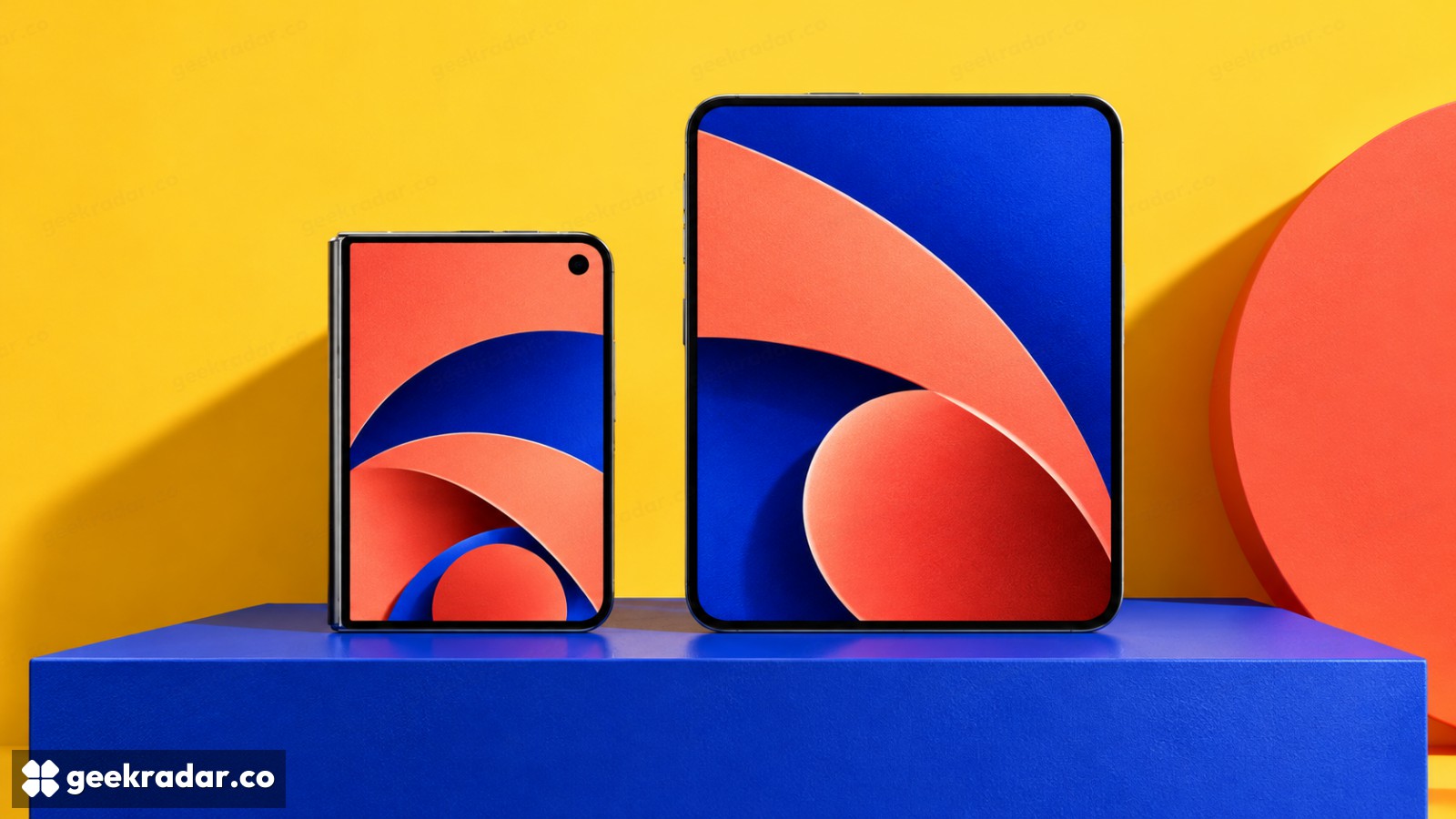
The store identifies a 7.6-inch folding Super Retina XDR display with nanotexture. A larger diagonal alone says little about usefulness, however. The real question is how much of a task can remain visible without repeatedly switching between applications.
The hinge changes the software problem
Apple’s original September introduction describes a device designed around both folded and unfolded use. The attraction of this format is not simply making a video bigger. A document and a message can occupy the same workspace; closing the device then restores a smaller surface for a quick interaction.
That creates a different standard for a premium phone. A fast chip can reduce the time an operation takes, but it cannot by itself remove the need to remember information from one screen while entering it on another. More usable space can reduce that friction. Whether it does so for a particular owner depends on the applications they actually use and how those applications handle the changing layout.
The October announcement supplies two useful scale comparisons: Apple says the inner display has 50% more area than the iPhone 18 Pro Max’s screen, while the 5.4-inch outer display has 90% of the iPhone 18 Pro’s screen area. Those are area comparisons, not claims that every app presents 50% more useful information. Split View and the way content adapts as the phone folds are the mechanisms that could turn the extra surface into a practical advantage.
Europe gets a different launch proposition
The regional assistant restriction echoes the availability issue in GeekRadar’s coverage of Apple HomeView. For both products, the distinction is between hardware that can be purchased and software that a particular customer can actually use.
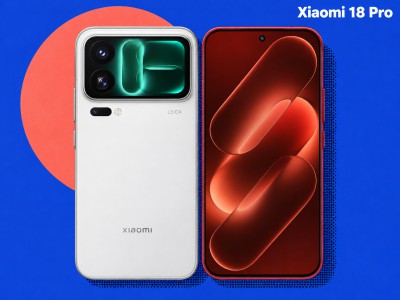
It also gives the new phone a different emphasis from the camera-led proposition of Xiaomi’s rear-screen flagship. The Duo’s strongest immediate argument is the size and flexibility of its main workspace. A second display and a folding display solve different problems, even when both make striking launch imagery.
For an Italian buyer, €2,369 needs to make sense on those available capabilities. A future assistant rollout can improve the proposition later; it cannot supply the missing value on October 23.