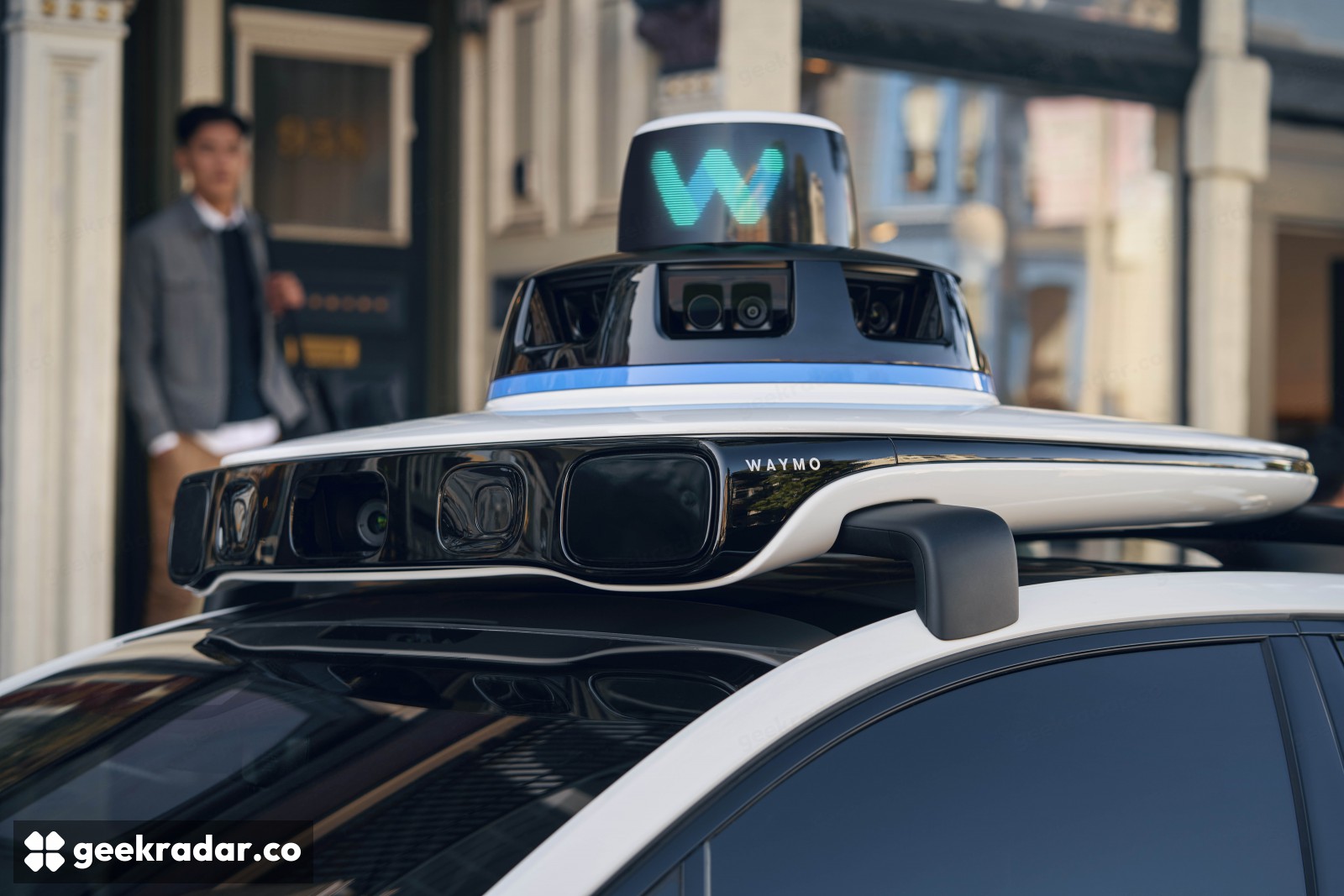
Waymo pauses US freeway rides. Construction zones are the test for its return
California’s restriction has become a wider Waymo pause, while street service continues. An earlier recall explains the safety problem without diagnosing the latest incidents.
Waymo has paused driverless freeway operations across its US markets after California restricted its vehicles over repeated encounters with active construction zones. Its ride-hailing service continues on surface streets. The immediate change is therefore a narrower operating area, with consequences for the routes passengers can take—not the closure of the entire service.
The distinction matters because a robotaxi's usefulness depends on more than the cities listed in its app. A service can remain available at both ends of a journey while losing the freeway that makes the trip practical. For Waymo, the more consequential question is what evidence will be needed to restore that access after construction-zone problems have already prompted corrective work this year.
A California restriction, a wider company decision
According to KQED's reporting and statements from the California DMV, the restriction took effect on November 11. The regulator cited vehicles entering an active closure on US-101 near Burlingame and a separate encounter with California Highway Patrol vehicles conducting a traffic break.
The wider withdrawal is Waymo's decision. In its statement reproduced by ABC7, the company says it has also restricted freeway operations in its other markets while evaluating performance. It says the recent US-101 encounters caused neither injuries nor collisions and that street-based rides continue.
For passengers, the sensible check is the actual journey offered in the app. Continued street service does not establish that every previous destination or journey time remains available. Equally, the freeway pause should not be read as a blanket cancellation of every Waymo booking.
Construction zones change the meaning of a clear lane
There is a documented history behind this intervention. In a June recall report filed with the US National Highway Traffic Safety Administration, Waymo described circumstances in which its fifth-generation driving system could enter freeway work zones at speed. The filing identified failures to recognise the zone or an inappropriate priority given to avoiding other hazards. It proposed software improvements and operational measures.
That is a more specific problem than simply failing to see an object. A gap between cones can be physically passable while belonging to a lane that traffic must not enter. Avoiding one obstacle is not a safe manoeuvre if the chosen space is occupied by road workers. The decision has to preserve the meaning of the closure, not merely find empty pavement.
The June document provides context, not a technical diagnosis of November's incidents. The available statements do not establish that the same software defect recurred, that a particular sensor failed, or that one update would resolve every encounter. Those distinctions matter when judging whether an earlier remedy worked: similar outward behaviour does not, by itself, identify the underlying cause.
Returning to freeways requires a narrower proof
The absence of a collision in the latest encounters is important, but it answers a different question from whether entering the work zone created an unacceptable risk. A safety restriction can address hazardous behaviour before that behaviour produces an injury.
The DMV told KQED that the restriction will remain until Waymo demonstrates effective corrective action, including adequate responses to construction zones and emergency vehicles. The material reviewed does not establish a restart date. A promise to work with regulators should therefore not become a calendar estimate for passengers.
This is also a different constraint from the manufacturing challenge described in our coverage of Toyota and Waymo's factory-to-fleet plans. Producing more vehicles can expand capacity; it cannot substitute for permission to operate them on a particular class of road. Both limits shape the service readers encounter in our Waymo coverage.
The test for a return is consequently concrete. Waymo needs to show that its vehicles can reliably respect temporary restrictions when the road's ordinary layout stops being the rule. For someone working behind the cones, the decisive feature is the car staying outside them.