Gemini Tasks goes free in six countries, with limits on access and action
Google expands its personal agent beyond paid plans. Usage allowances and purchase permissions explain what free access actually means.
Google is opening Gemini's task mode to people without an AI subscription in six countries, moving its personal agent beyond the paid audience that first tried it as Spark. The November 17 rollout covers Australia, Canada, India, Japan, South Korea and the United States. A separate set of advanced capabilities starts in the US, so “Tasks is free” should not be read as “every advertised action is available everywhere.”
The change, reported by 9to5Google, lowers the cost of trying a different relationship with an assistant: give it an objective and let it work across services, rather than ask for an answer and carry out every step yourself. The useful question is how much work can be delegated while keeping the important decisions visible.
Access, capacity and authority are different things
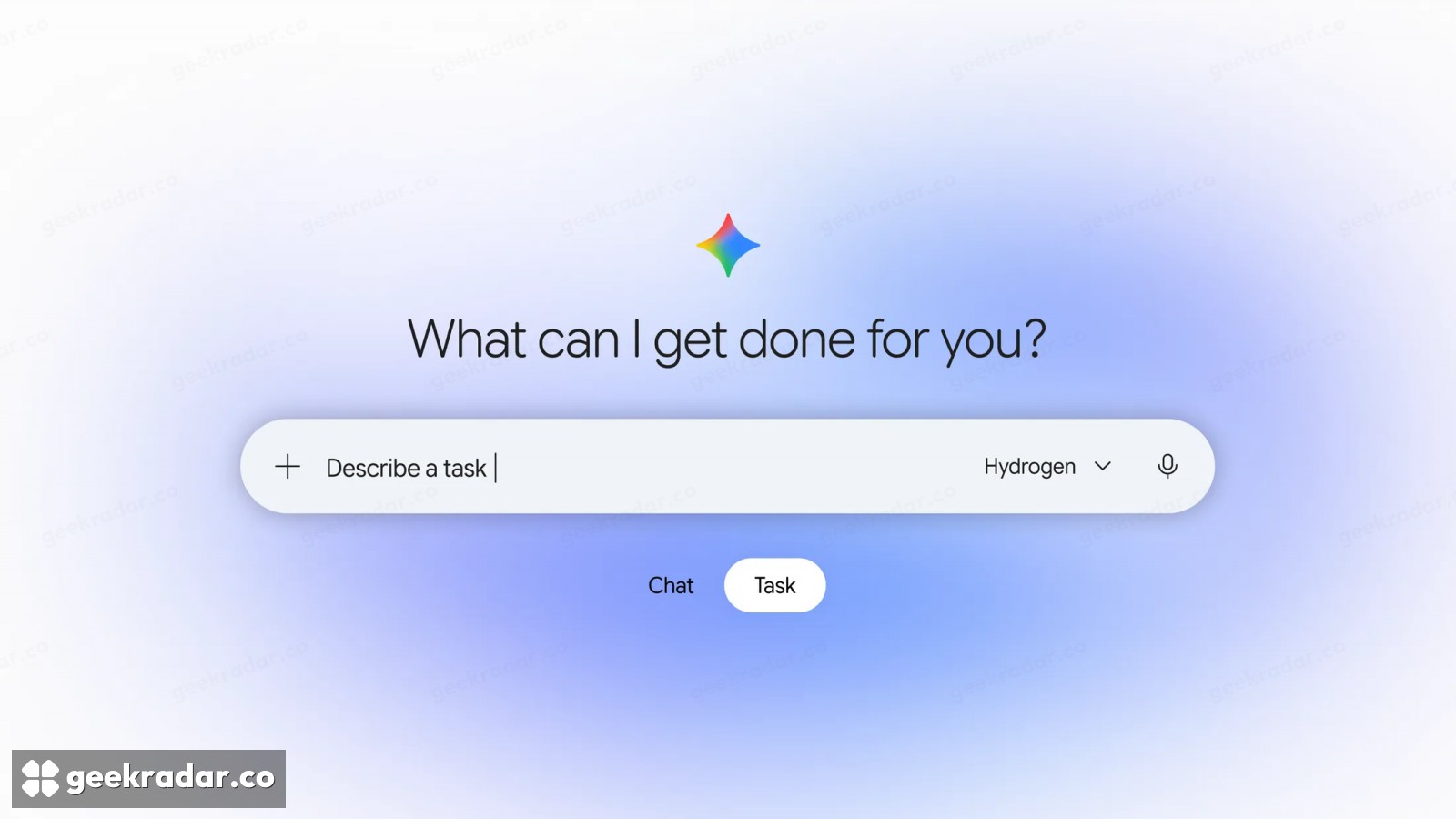
Google's announcement says the rollout uses Gemini 4 Hydrogen. That is the underlying model; the task interface, connected services and permission controls form the surrounding product. Access to a model is not, by itself, access to every action the assistant can perform.
The current task requirements specify an adult using a personal Google Account with History enabled. Work and school accounts are excluded. Outside the six free markets, supported territories require AI Pro or Ultra; the European Economic Area, Switzerland, the UK and Nigeria remain excluded from this task feature.
Google's separate limits documentation describes compute-based allowances affected by the model, prompt complexity and conversation length. Limits refresh over five-hour windows, subject to a weekly limit, and can change. There is no useful fixed “number of jobs” to infer from that description: comparing a few options and analysing a large collection of files consume different amounts of work.
That also separates this release from Hydrogen's API pricing. A consumer plan's allowance and a developer's bill for input and output tokens are different products. Free task mode is not a promise of free API calls or unrestricted background computation.
The purchase setting deserves a close look
For US users, the purchases and payments guide makes the permission boundary concrete. A purchase task can specify merchants, an item, a maximum budget of up to $1,000 and an expiry within 14 days. The feature is currently English-only and requires an adult's personal account and a saved Wallet payment method.
Purchase confirmation is on by default. If it is switched off, Google says Gemini completes the transaction when the approved conditions are met, without asking for another confirmation first. Describing the system as always pausing at checkout would therefore miss a consequential choice in the setup.
Consider a deliberately hypothetical request to buy a particular charger below a chosen price. The budget answers only one question. The exact model, permitted sellers and deadline decide whether the agent is pursuing the purchase you intended. A cheaper listing with the wrong connector is still the wrong purchase. Clear conditions matter because they describe the action being authorised, not merely the amount someone is willing to spend.
This can be useful delegation: the user chooses the acceptable outcome in advance, and the assistant handles the search and timing. It also shifts review earlier. Turning off the final confirmation makes the initial instructions carry more of the responsibility. For a first task, a comparison or draft can be a sensible way to judge the result before entrusting an irreversible action.
A separate computer does not replace a clear instruction
Google describes a dedicated, hardware-isolated virtual machine for task execution, alongside filtering and browsing protections. It also acknowledges that tasks can fail or hand a website back to the user before the final step. These are the company's descriptions of its implementation and limitations, not independent evidence that every workflow succeeds or every threat is blocked.
Isolation and good judgement solve different problems. A separate environment can contain where software runs; it cannot, by itself, decide whether an ambiguous request captured the user's intention. A correct-looking calendar entry, order or document still needs to match the right person, date or product. The value of an agent depends partly on how cheaply a user can inspect that match.
Free access makes that evaluation easier to begin. The strongest version of this product would save the repetitive search, copying and coordination while making the consequential choices easier to see. The test is not how often the assistant avoids asking a question. It is whether the work ends with the result the user actually meant to authorise.