GTA VI lets Jason and Lucia browse Snapmatic, but keeps them out of the posting business
Rockstar’s described social feed gives the protagonists a view of the city’s public performances without turning them into broadcasters.
In this guide
Jason and Lucia can browse Snapmatic in GTA VI, but Rockstar says they cannot post to it. For protagonists trying to keep a low profile, that is a small restriction with a clear purpose: the phone offers a view into other people’s performances without turning the player into another public broadcaster.
Rob Nelson sets out that distinction in IGN’s October 7 developer interview. Players can follow people and browse the feed; the characters remain observers because they are on the run. It is a confirmed description of the intended interaction, not a claim that every social feature imaginable has been announced.

Looking is a different role from performing
The restriction changes what a fictional social network asks of the player. A posting system would invite questions about composition, audience, reactions and perhaps an expanding set of creation tools. A browsing system can concentrate instead on what the city chooses to show of itself.
That creates an opportunity for a useful contrast. Streets and rooms present people in one context; their public performances can present a different version. The interest need not depend on reproducing every function of a real app. It can come from the gap between an ordinary place and the image its inhabitants want to project.
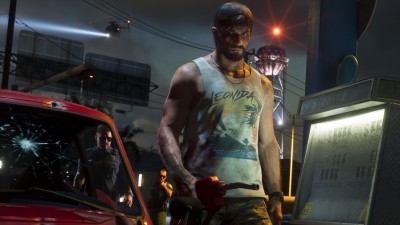
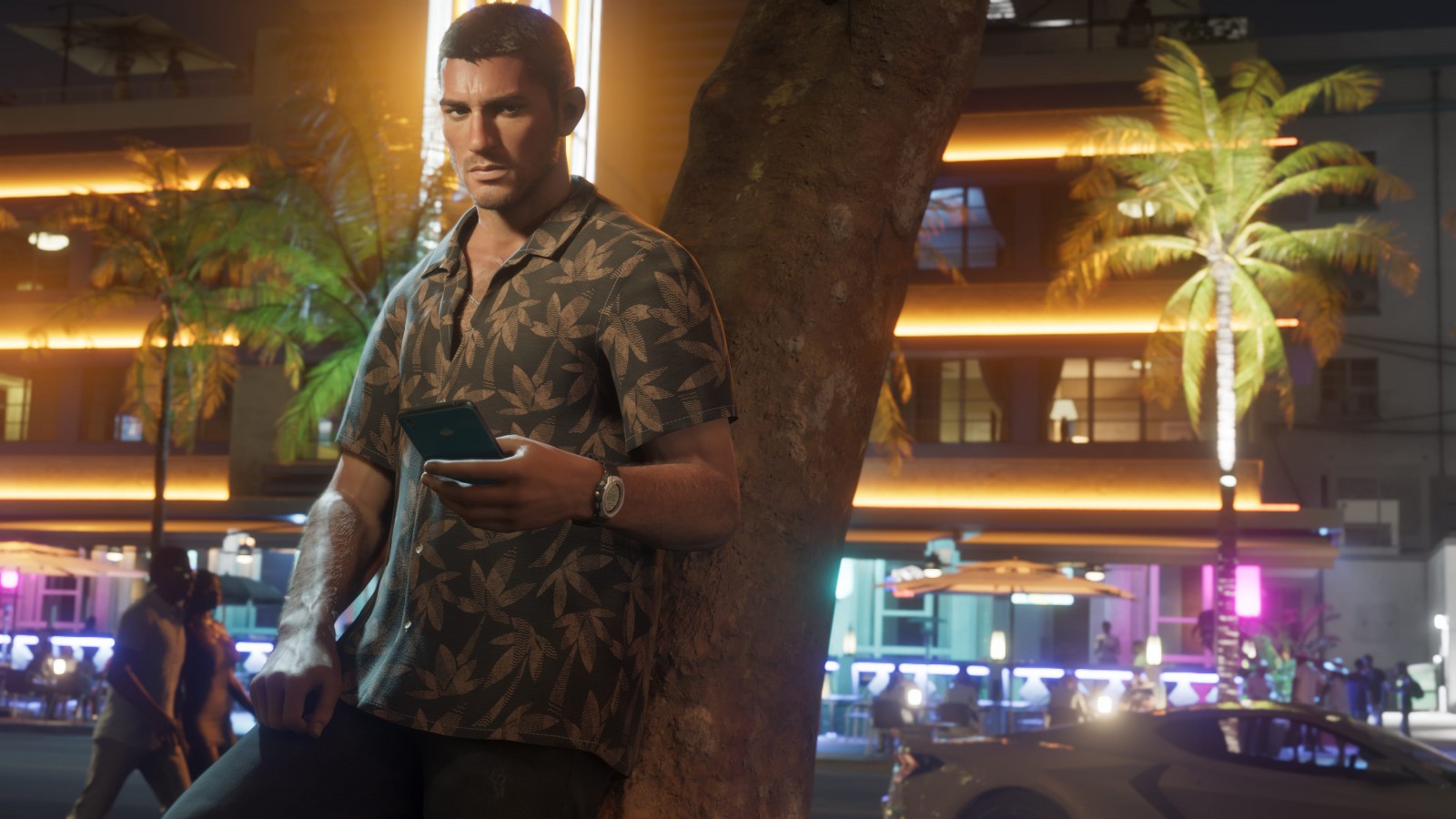
Rockstar’s official screenshots already use phones as social objects. In one scene, a crowd raises devices toward the Real Dimez performing on a car. The phones help explain where attention is going: the event is being experienced and recorded at the same time. This is visual observation of an official image, not proof that the exact scene can be recreated through a player-operated posting tool.
A feed can reveal what a map cannot
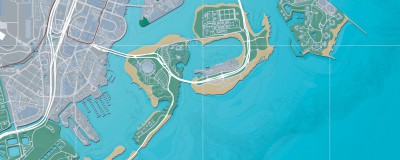
A map organizes destinations. A social feed can organize attention: what people talk about, what they want others to see and which details become a spectacle. That is a different way of making a place legible, especially in a setting where public image is part of everyday life.
There are limits to what has been established. The cited interview does not specify a recommendation algorithm, a system for player comments or a complete set of rewards attached to browsing. It would be a mistake to fill those gaps with assumptions borrowed from actual social platforms.
The stronger analysis begins with the interaction that has been described. Even a relatively constrained feed can carry writing, characterization and visual jokes. It does not need a fictional follower economy to have a role in the world. Whether the content remains interesting across a long playthrough is a question for the finished game, not something a feature list can settle.
Observation fits this particular pair
Our introduction to Jason and Lucia explains the partnership without revealing plot outcomes. Snapmatic’s described boundary fits the basic situation: they can learn about the world around them without constantly advertising their own presence.
For Grand Theft Auto VI, that choice also avoids making social-media activity an automatic checklist of player engagement. You may be interested in what the city is doing without wanting a second job maintaining a fictional account. The revealing part of the phone may be what it lets you notice, rather than what it lets you upload.