
Being Heumann reaches Apple TV with a civil-rights story rooted in one building
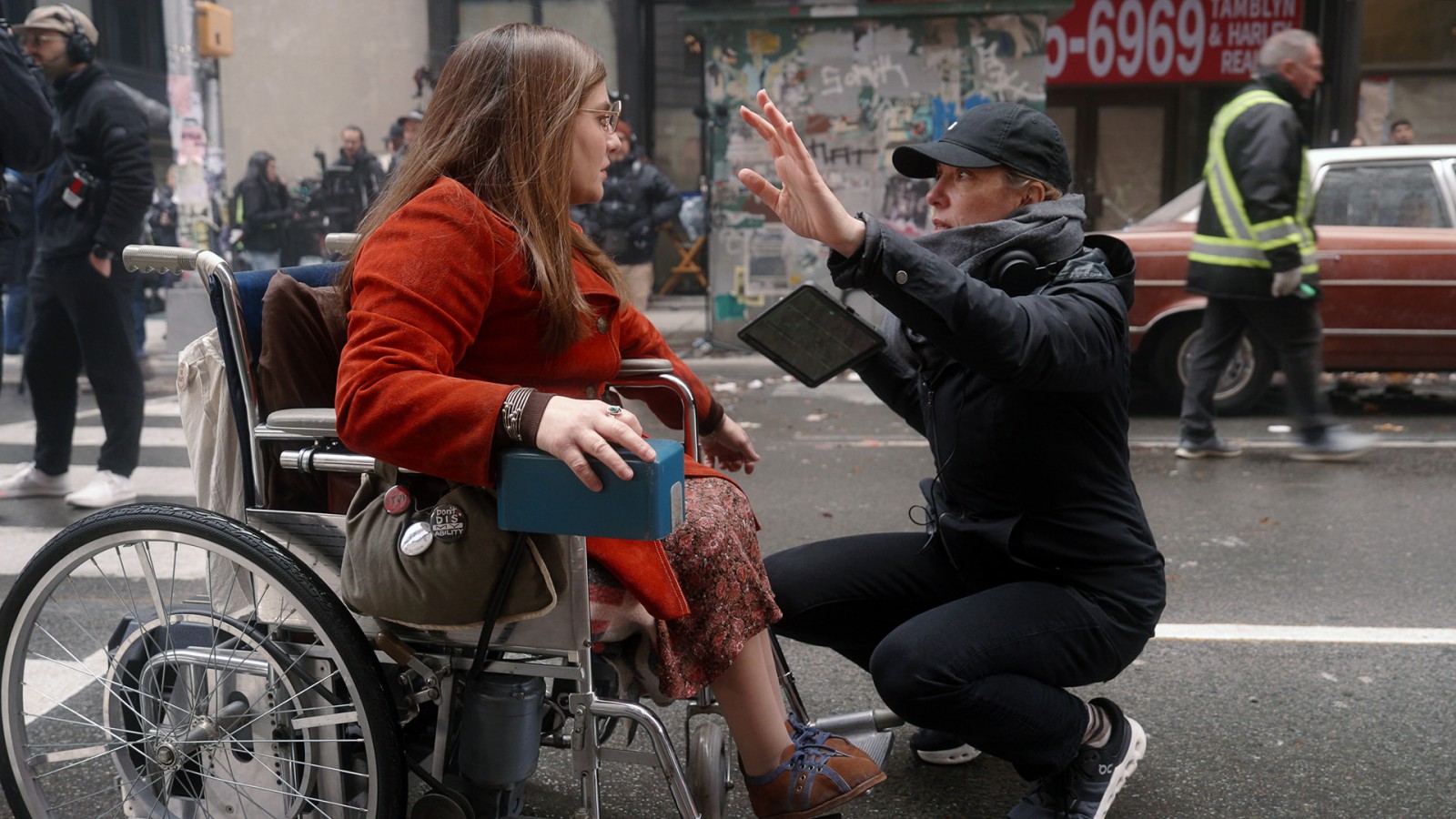
Siân Heder directs Ruth Madeley in a dramatization of Judy Heumann and the 1977 San Francisco occupation.
Being Heumann is now streaming on Apple TV after its November 13 release, bringing a dramatization of disability-rights activism to the service. Directed by Siân Heder and starring Ruth Madeley as Judy Heumann, the film centers on the 1977 occupation of a San Francisco federal building. That historical setting establishes the subject without requiring the campaign’s outcome to be retold here.
Apple’s release announcement distinguishes the global streaming date from a November 6 opening in selected cinemas. A limited theatrical engagement and a subscription release are separate forms of availability; the earlier date does not mean the film had already been available to stream everywhere.
An adaptation with a specific point of view
Heder and Rebekah Taussig share the writing credit. Executive producer Kristen Joiner co-wrote Heumann’s memoir. The film places collective action at the center of its premise. A dramatization necessarily selects scenes, compresses time and constructs performances. Viewers should understand that format before treating dialogue or scene-by-scene details as documentary records.
That does not diminish the subject. It clarifies what kind of work the audience is choosing: a feature film interpreting a real activist’s story, with Madeley playing Heumann, rather than an interview documentary assembled from archival testimony. The official programme page lists a cast that also includes Madeline Delp, Mark Ruffalo and Dylan O’Brien.
The initial situation supplies enough stakes on its own. Disabled activists occupy a government building as part of a struggle over civil rights and their implementation. The drama’s specific turning points, relationships and resolutions can remain unspoiled, even when the underlying history is publicly documented.
Why the distinction between recognition and access matters
A story about disability rights invites attention to the gap between a principle being acknowledged and people being able to exercise it. That is the practical lens through which the premise can be understood without claiming that the film proves any particular contemporary policy argument.
The building is more than a backdrop in that setup. Occupation makes the administrative setting itself part of the action: the place where decisions are made becomes the place where people insist that those decisions have consequences. The film’s success in conveying that experience is something a review based on viewing would need to assess. A release guide can identify the question without pretending to have answered it.
Apple’s promotional description is not independent evidence of the quality of the performances or the historical precision of every scene. The verified news is the release, the creative team and the stated subject. Keeping those facts separate from a verdict leaves room for viewers to form their own assessment.
What is available now
The November 13 Apple TV launch is the relevant date for streaming viewers. The selected-cinema release began a week earlier, and local theatrical participation should not be assumed from the global streaming announcement. Service availability, subscriptions and any local classification still belong to the relevant regional listing.
The film’s premise offers a concrete reason to consider it: an account of activism in which access to ordinary institutions is itself contested. That is enough to frame a viewing choice without recounting the outcome of the protest or borrowing the language of a review. Being Heumann can be approached as a story about people demanding that recognized rights become usable in everyday life.