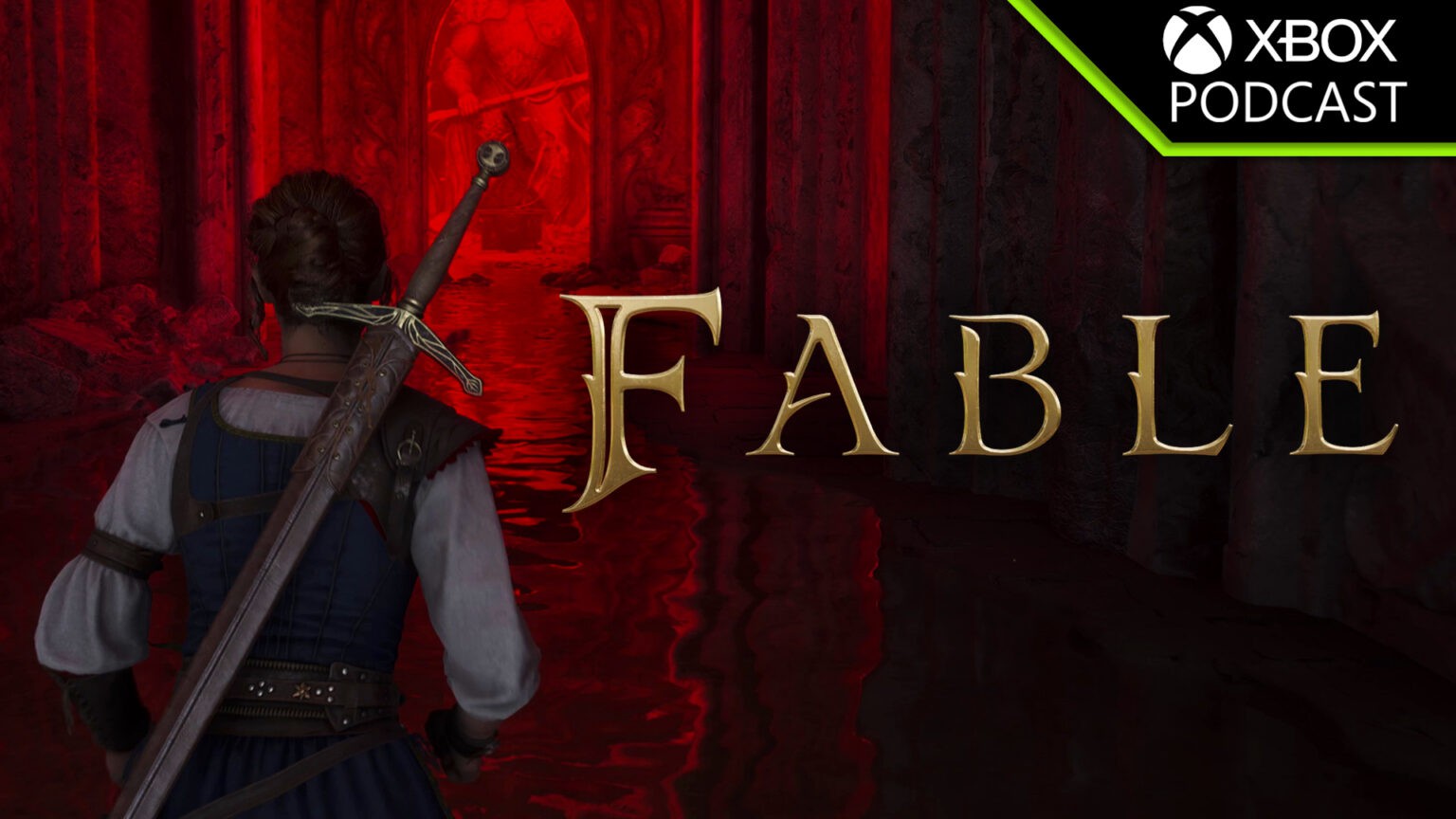
Fable’s new combat footage shows why a fast hero is a build choice
Playground explains the heavily upgraded Dash spell and the alternatives for facing groups, without needing story revelations.
Fable’s latest demonstration makes a useful point about its combat: a character who moves quickly is not necessarily a character built around doing a little of everything. Playground Games says the player in the new footage has invested heavily in a small number of spells, including a fully upgraded Dash. The mobility on screen is the result of a build decision, not simply the baseline movement every new character receives.
That explanation, given by Ralph Fulton in the November 13 Xbox podcast, is more useful than trying to infer the entire skill tree from a short sequence. The forthcoming Fable is designed mainly around one hero facing groups, with several ways to manage that imbalance. Power, crowd control and mobility can serve different purposes within the same fight.
Moving changes which enemies matter
Dash closes distances and moves the hero around the battlefield. In an encounter with several opponents, that changes more than travel time. Position determines which enemy can reach the player, which target is immediately available and where an area effect can do useful work.
Fulton describes the demonstrated spell as upgraded to its maximum, giving it additional uses. He also explains that the captured build concentrates on a couple of spells. That helps interpret the spectacle: the footage shows a developed specialisation, not evidence that every branch of progression has been unlocked simultaneously.
The distinction matters for expectations. A visually impressive move can make an early-game character seem incomplete if players assume the demonstration represents the starting toolset. Here, the studio supplies a clearer explanation of what the player invested in to achieve it.
One against many leaves room for different answers
Fulton says group encounters are the general case, although the game also contains bosses and one-on-one fights. The player can address groups through raw power, crowd control, area effects or movement, and combine those approaches.
That is a useful design commitment because it describes the question encounters are supposed to ask. Clearing space, interrupting a cluster and reaching a distant opponent need not be solved by the same action. A flexible combat system can let players find a sequence that suits their build, rather than making every upgrade a larger version of the same attack.
It does not yet establish how evenly those choices are balanced. A demonstration selected by the developer cannot show whether one approach dominates across a long campaign. Nor does a fast combination prove that timing, feedback and camera behaviour remain comfortable in every crowded encounter. Those judgments require more than the excerpt provides.
Albion needs room between its fights
The new material visits Deepwood, a forest region, while the earlier Bowerstone presentation focused attention on the town’s architecture and character. Together they show how different surroundings can change the pace of a journey. The interest is not just in having more locations, but in giving combat and quieter exploration distinct places to breathe.
The podcast also discusses narrative material. None of those developments is necessary to understand the combat explanation, and the full source should not be assumed spoiler-free simply because it is official promotional material. This preview keeps to systems and environment rather than naming revelations from the sequence.
Fable remains scheduled for February 23, 2027. The November footage is a new look at the game, not a public release or a new playable demo announcement. The studio describes itself as working through the final stages of the project; that is its account of development, not an independent assessment of readiness.
The clearest takeaway is that the hero’s speed has an opportunity cost inside character development. Dash becomes interesting when it enables the next decision: reaching a target, changing the shape of a group or setting up another spell. A strong build should make movement feel like part of the plan, rather than the interval between attacks.