Google’s smart glasses open preorders, with account rules as important as the frames
Warby Parker and Gentle Monster launch on December 10. Camera visuals, chat history and saved photos follow different privacy rules.
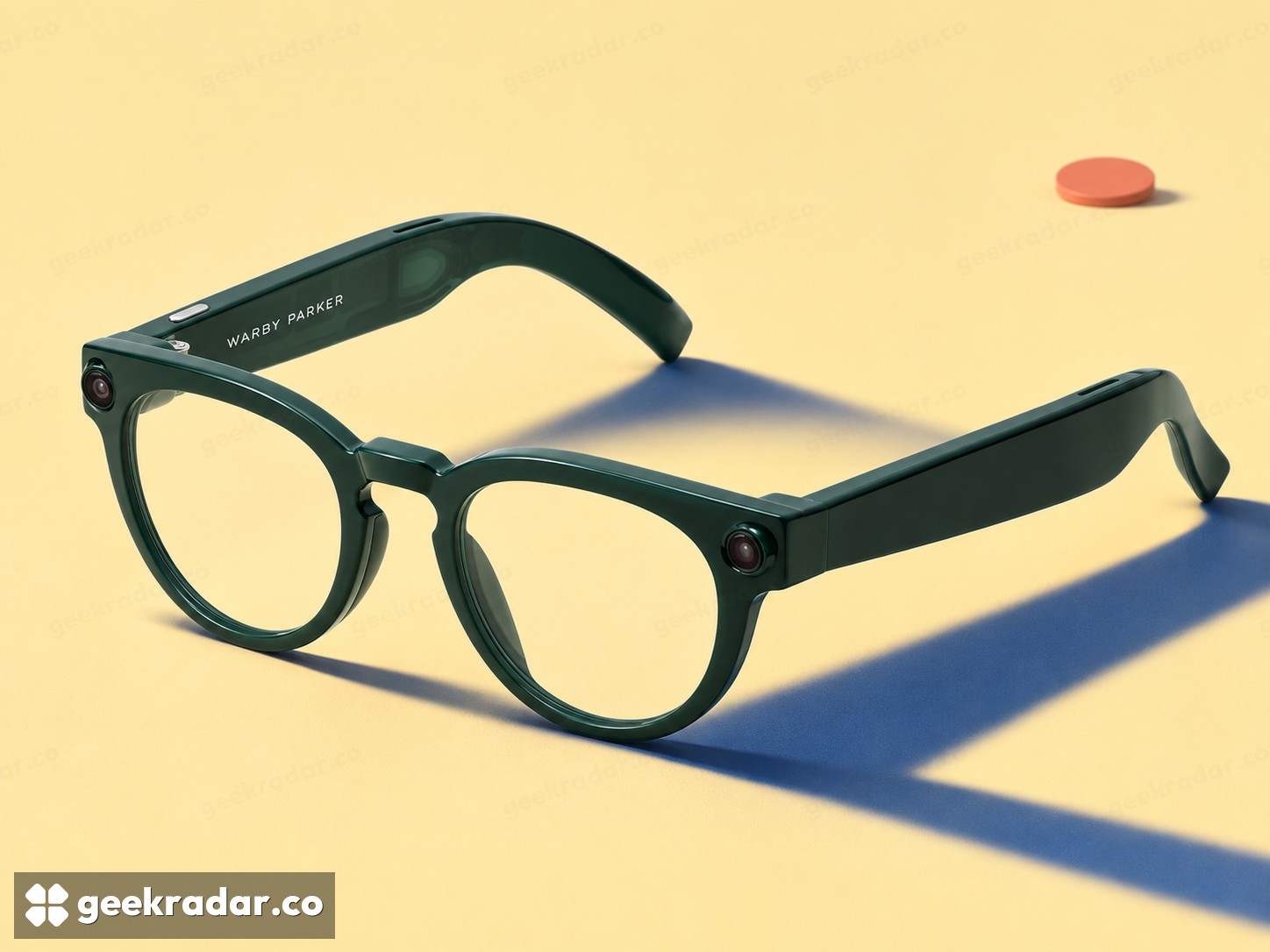
Google's intelligent eyewear is moving from demonstrations to preorders, but the launch has a sharply defined border: eligible Google accounts must be from the United States or South Korea. The Warby Parker and Gentle Monster collections arrive on December 10, with hands-free Gemini assistance, cameras and open-ear audio built into familiar-looking frames.
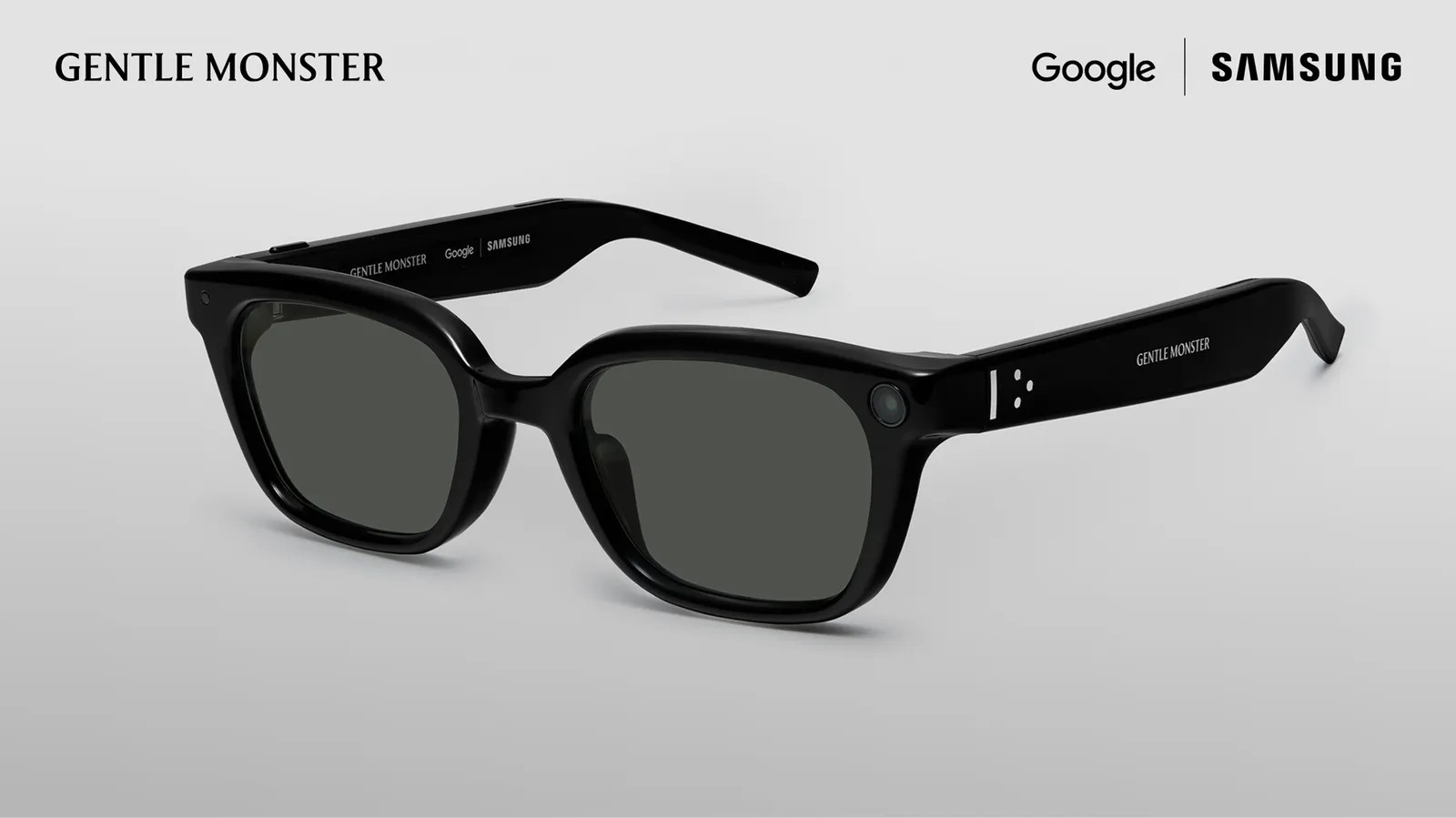
The November 12 announcement lists Warby Parker styles from $395 and Gentle Monster designs from $449. Those are starting prices in US dollars, not a worldwide price list or a guarantee that every lens configuration costs the same. For buyers, the account and phone requirements are at least as consequential as the shape of the frame.
Ordinary glasses carry a connected system
Warby Parker's Alden, Reid and Wren styles sit alongside six Gentle Monster designs, including the GGS001 family. Google describes a 12-megapixel ultrawide camera, open-ear speakers and frames weighing around 41 grams. Its claim of up to nine hours of battery life varies with use and configuration; it is not an independent all-day test.
The intended interaction is brief and contextual. A wearer can ask about something in view, handle a message or request help involving Google services without first taking out a phone. That changes where the interaction begins. It does not remove the phone from the system or turn the glasses into a standalone replacement for it.
Compatibility is selective: Google's list includes recent Pixel devices with the required Android update, specified Galaxy families on One UI 9 or later, and iPhone 13 Pro or later. Some launch functions, including Guided Vision and Aira, require a compatible Android phone. A broad “works with iPhone” label therefore does not establish feature parity.
Camera privacy has several separate rules
Google's privacy explanation distinguishes the visuals Gemini processes from the text of a conversation and from photos deliberately saved to a gallery. Collapsing those categories into “nothing is stored” would misrepresent the product.
The company says camera visuals used by Gemini are not saved in Gemini History, used to train AI models or used for targeted advertising. It also describes automatic face redaction before those visuals reach Gemini. Text conversations have their own history settings, while taking a photograph for the gallery intentionally creates a saved image.
That distinction is useful in a mundane example: asking what a poster says and taking a picture of the poster are different operations. A wearer needs to understand which one they initiated; a bystander needs a visible indication when the device is recording a photo or video.
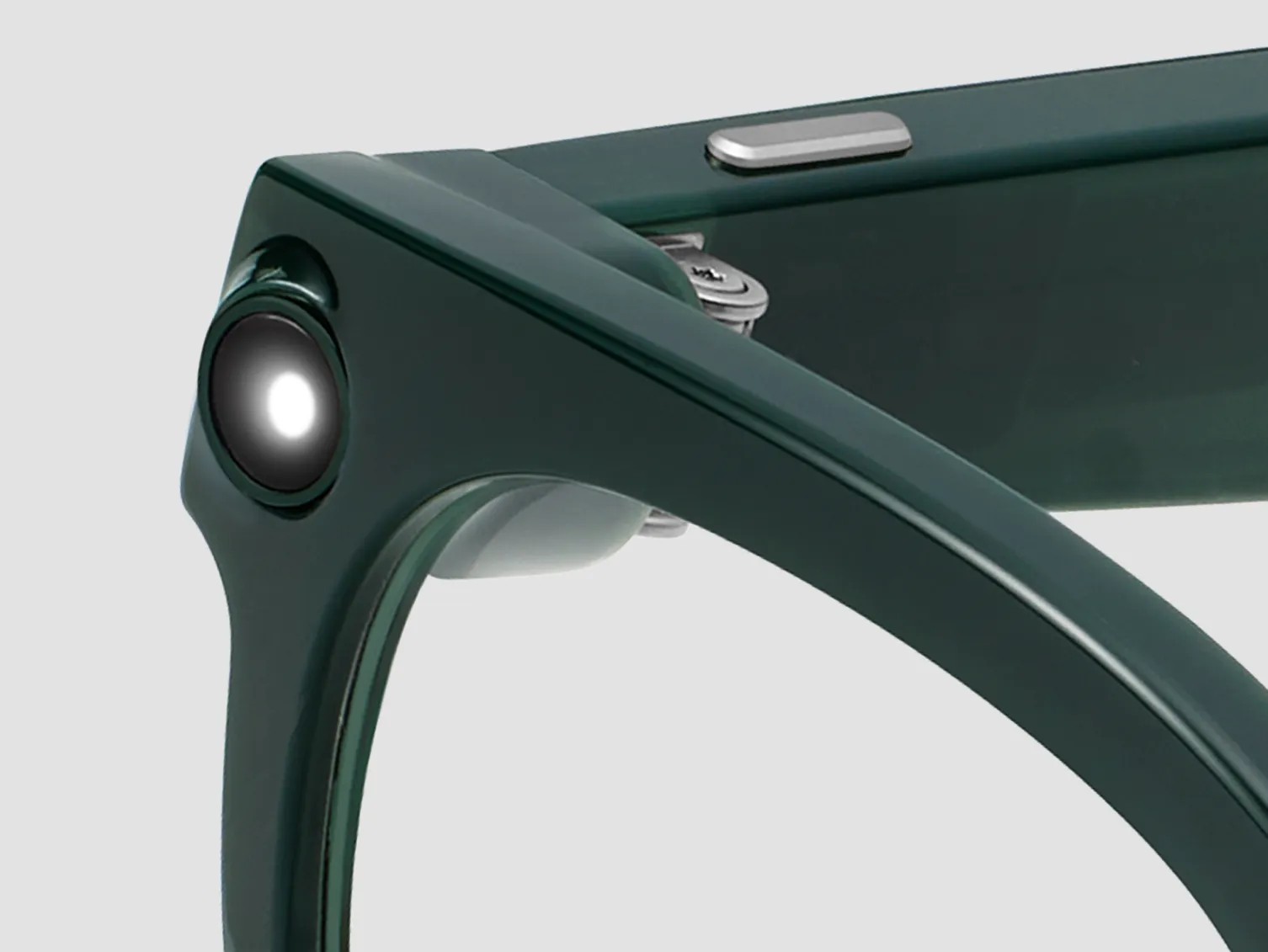
The external indicator is part of that second boundary. Google says recording stops if the light is covered or disabled. The glasses also have a physical off switch and permission controls. These are product protections described by the manufacturer, rather than independent proof that no misuse is possible.
Assistance needs a clear limit
Guided Vision can offer visual descriptions, but Google explicitly excludes safety-critical navigation and replacement of mobility aids. Aira adds a different form of assistance by connecting the camera feed to a trained human interpreter. Both deserve to be described by what they actually do, rather than bundled into a promise that glasses can safely guide every journey.
For readers following wearable technology, the launch is significant because the design, service and privacy boundaries are finally being sold together. Choosing a frame is only one decision. The more lasting choice is whether its supported phone, account rules and camera behavior fit the situations in which that frame will be worn.