Starlink Mini 2 puts the first four hours of power inside the dish
The removable 71Wh pack simplifies setup, but initial US invitations and service terms define access.
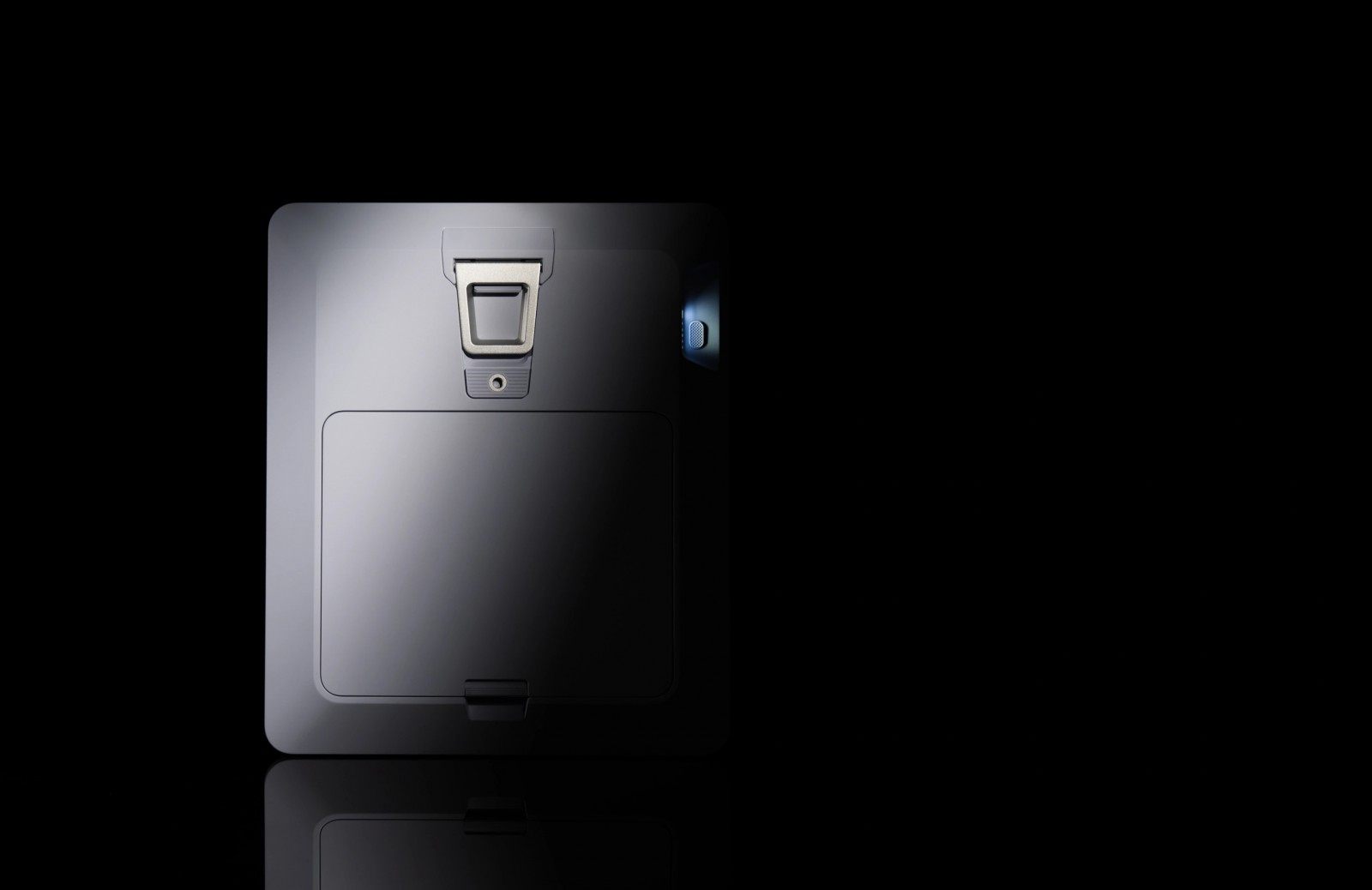
Starlink Mini 2 puts a removable battery inside the portable satellite terminal, reducing the number of separate pieces needed to get a connection away from a power socket. SpaceX claims up to 4.5 hours from the 71Wh pack, with USB-C charging and separately supplied spare batteries extending the practical options.
The official product page describes the hardware, while The Verge's November 10 report identifies the initial sales scope as invitation-only preorders for selected US customers. Wider customer and country access is described as coming later. A product page being readable from another country does not establish that a local order can already be placed.
The useful change is the power arrangement
The terminal combines the dish, Wi-Fi router and battery in a package weighing about 1.6kg with battery and stand. The battery itself is specified at 490g. At 23.1mm thick, the assembly is thinner than the first Mini despite the integrated pack, according to the comparison in The Verge's report.
That does not make it weightless travel equipment. It changes the packing problem: instead of arranging a separate power bank, cable and terminal before connecting, the first session can start with a charged integrated unit. Longer operation still requires another battery or a power source.
SpaceX lists 60W USB-C input and output for the pack and says the terminal can be used while charging. The official material supports a removable battery and quick replacement; it should not be stretched into a guarantee that a swap preserves an uninterrupted connection under every condition.
A battery solves only one requirement
The Mini 2 catalogue profile records the new terminal separately from the earlier model. Its portability does not remove the need for a suitable view of the sky or an applicable Starlink service plan. A dish that is easy to carry can still be poorly positioned beneath trees, beside a tall obstruction or inside a building.
SpaceX lists a 110-degree field of view and a quarter-inch tripod attachment. Those details make placement part of the product's practical story. A convenient mounting point can help find a usable position, but it cannot turn the manufacturer's coverage or runtime figures into guarantees for every campsite.
The integrated Wi-Fi router distributes the connection locally. Wi-Fi coverage and satellite reception are separate links: a strong connection between a laptop and the router cannot compensate for an obstructed path from the terminal to the satellites.
The first price is tied to a particular offer
The Verge reports invitation screenshots showing $999 with a year of Roam Unlimited included. That is a reported initial US package, not a verified worldwide standalone hardware price or a promise that the same service terms will be offered everywhere.
For occasional mobile use, the bundle and the ongoing service conditions may matter more than a few millimetres of thickness. The hardware improvement is nevertheless clear: Mini 2 moves the first power source into the thing that needs it. Whether that makes a trip easier depends on the next four hours—and on what happens when the battery, the sky view or the included service period runs out.