Gemini 4 Carbon opens up, with an introductory price developers should not mistake for the baseline
General availability brings a November pricing deadline and a preview of coordinated agent work.
Google is opening Gemini 4 Carbon to paying developers and enterprise customers, with an introductory API price that lasts only through November 30. The general-availability announcement moves the model beyond its earlier restricted introduction, but it does not make every associated tool or security capability equally available.
The most immediately actionable detail is the price boundary. Google lists $2 per million input tokens and $10 per million output tokens during the introduction, rising to $4 and $20 afterward for the public model. A trial budget built this month can therefore describe a very different ongoing bill if it assumes the initial rates are permanent.
Count the work, not only the token price
Carbon is positioned for longer, more complex tasks. Google explicitly notes that it can use more tokens than Argon while completing such work. A lower-looking per-token rate would not by itself settle the cost comparison, even before the introductory period ends.
For example, a system that explores several approaches, verifies intermediate results and revises its output can spend more on a single completed assignment than a shorter-response system. That spending may be worthwhile if it saves meaningful correction, but the unit that matters is an accepted result. Counting only the first answer or only the visible final paragraph hides part of the workflow.
Google's announcement contains vendor evaluations of capability. They should not be treated as a measurement of a particular company's repository, documents or review standards. General availability establishes access; it does not establish that migration will improve every existing task.
A swarm still needs a definition of done
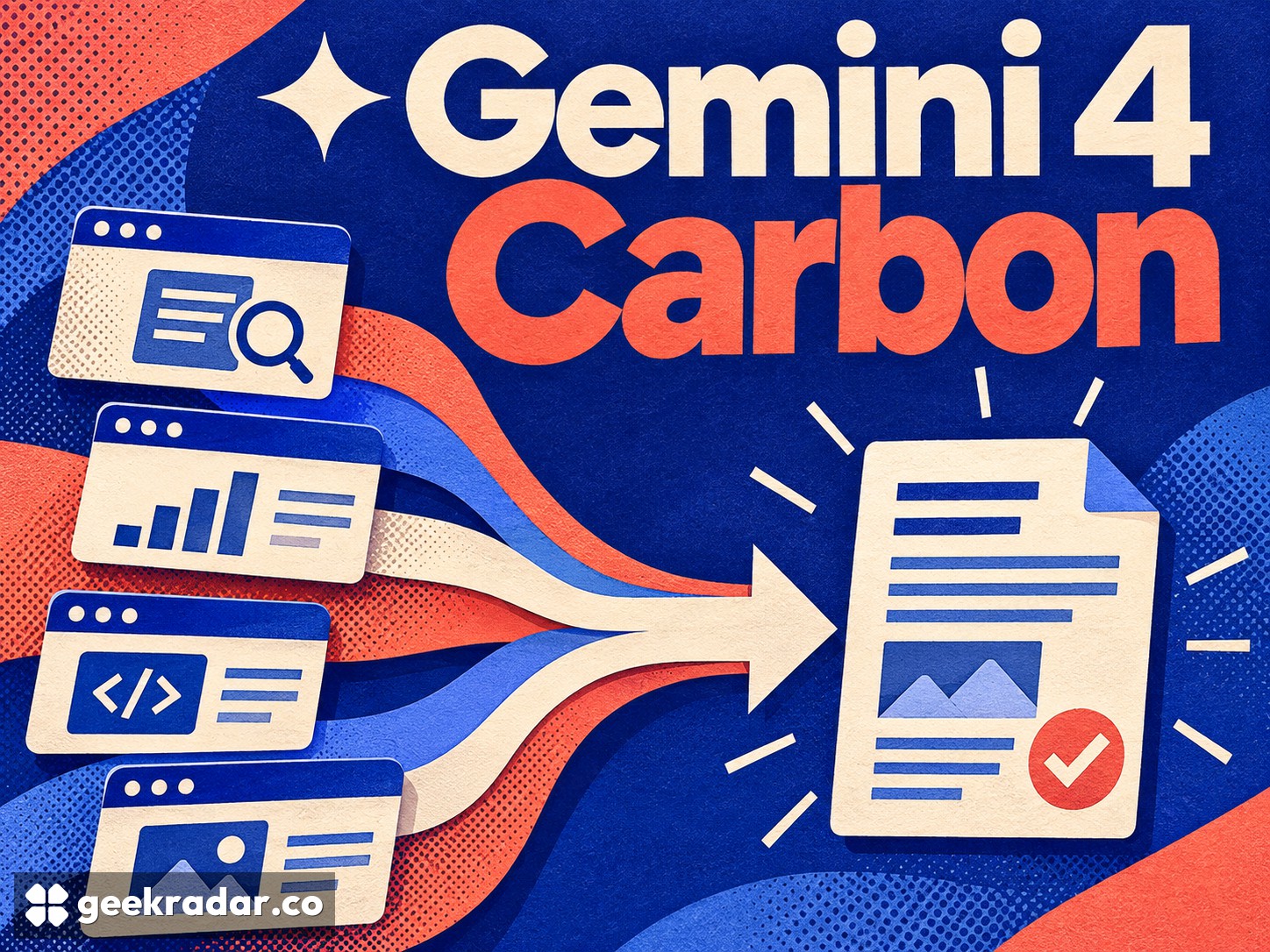
The /swarm preview coordinates work in isolated workspaces and uses verification steps. Splitting an assignment can make independent parts proceed together, but it also creates integration work. Several individually plausible changes can conflict when combined, particularly when they share interfaces or assumptions.
Isolation helps contain those interactions while work is in progress. Verification is useful only to the extent that it checks the requirement that actually matters. A passing test cannot confirm an omitted requirement, and agreement between agents is not a substitute for an external acceptance condition.
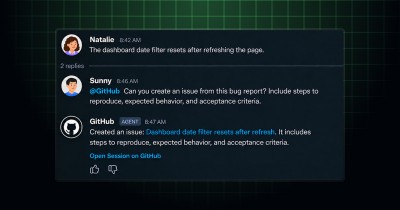
That is the same practical boundary highlighted in our coverage of Kiro's persistent bots: responsibility and permissions need to remain legible as work expands. Carbon's coordinated workflow is a different product, but it faces the same need to make the final owner of a decision clear.
The rollout has several doors
Google describes access through its developer and business surfaces, with Ultra availability in the Gemini app, Antigravity and Search rolling out. The previous Fairwind security context should not be read as unrestricted access to every security capability through the general public model.
For a developer considering the switch, the sensible baseline is a real task with a known acceptance test and a record of total usage. Run that comparison with the post-November pricing as well as the introductory bill. The attractive number is not how many agents can be started; it is how much dependable work remains after their outputs have been checked and joined.