Kiro Crew gives bots persistent jobs, memory and permissions. Those boundaries are the story
Named bots can keep separate workspaces and schedules. Useful delegation depends on what they may read, change and ask a person to approve.
Kiro Crew now supports named, persistent bots that can own an ongoing area of work rather than a single coding session. In its November 5 announcement, Kiro describes separate workspaces, memory, permissions and schedules for bots that organize their own sessions and bring results back to one continuing conversation.
The problem being addressed is recognizable: starting several agents can reduce the time spent on individual tasks while increasing the time spent remembering what each one is doing. A persistent bot is meant to absorb some of that coordination. Its value depends less on how many sessions it can launch than on whether its continuing responsibility stays understandable.
A role is more useful than an endless chat
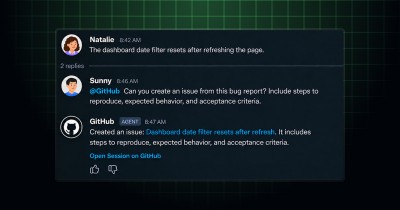
Kiro’s examples include research, issue intake and release readiness. Each bot has its own name, conversation, notes and workspace. It can start sessions in parallel, track their progress and ask for a decision on one part while continuing work that does not depend on the answer.
That last condition is important. An unresolved decision should block the work that needs it, not necessarily every independent task. But continuing elsewhere must not be confused with permission to guess the answer. A useful coordinator needs to keep the dependency visible so the user can see why one piece is waiting and another is moving.
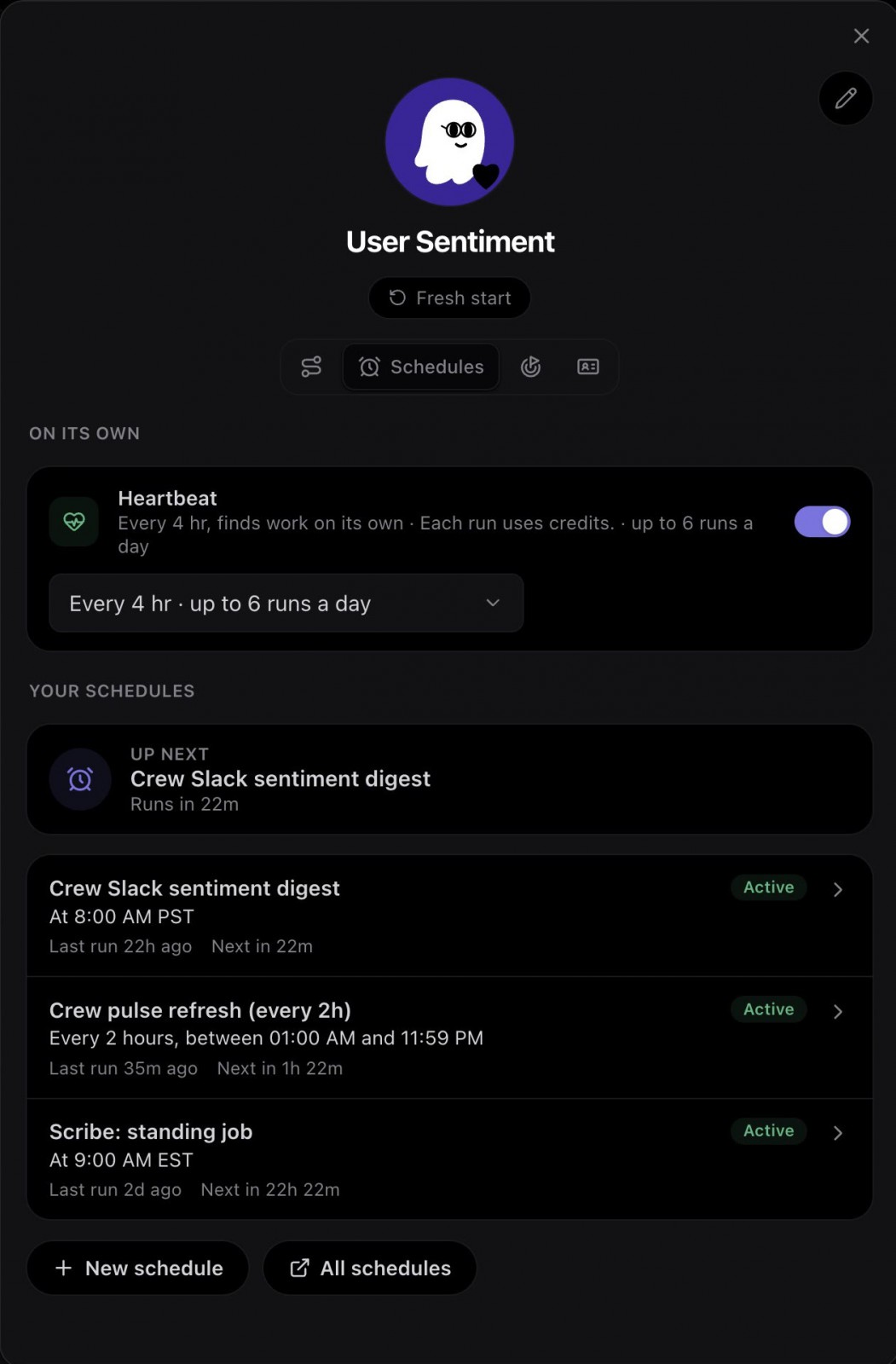
Schedules extend the role beyond a session that the user manually starts. Kiro gives examples such as investigating overnight build failures and preparing weekly release notes. The recurring task still needs a defined output and scope. “Own release readiness” becomes useful when the bot knows which checks, repositories and decisions belong to that responsibility.
Separate memory keeps the reasons attached
The announcement emphasizes that each bot learns within its own area. A deployment bot’s release rules need not become the assumptions of a research bot. Users can inspect, edit and delete remembered information, keeping that memory open to correction.
This is a practical distinction between remembering a fact and preserving the reason for a decision. A rule such as “do not deploy before this check” is useful only if the check remains applicable. Keeping the rationale nearby makes it easier to revise the rule when the workflow changes instead of accumulating unexplained restrictions.
Separate memory is not, by itself, proof of a security boundary. The actual tools, access and runtime determine what a bot can read or change. The product’s organizational model should not be mistaken for a guarantee that every deployment is isolated in the same way.
Permissions are part of the workflow design
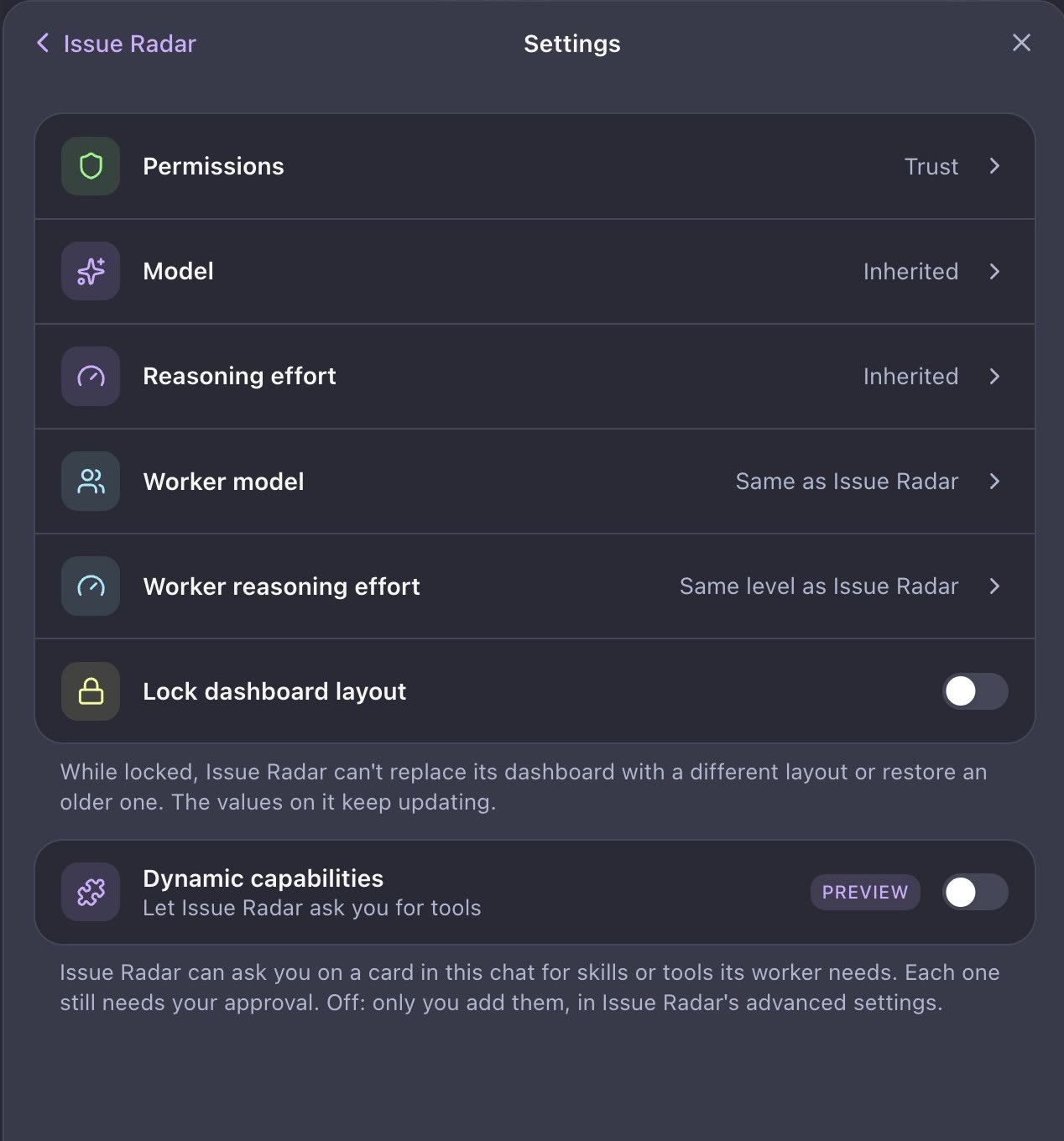
Kiro says a bot can request additional tools, but access does not change until the user approves. That makes permission requests part of the visible conversation rather than an assumption attached to a broad goal.
The settings shown in the announcement include permissions, models and reasoning controls, while the schedule view exposes recurring work. Those interfaces matter because a persistent agent needs a persistent place to inspect its authority. A bot that runs again next week should not depend on someone remembering what an approval meant in last month’s chat.
Crew can run in environments such as a laptop, Mac mini or EC2 instance, according to the announcement. Where it runs affects availability and access to the surrounding tools; a scheduled bot is not magically active when its host is unavailable. The product description should be read alongside the actual environment in which the user deploys it.
Kiro’s proposal makes the most sense when the bot’s job can be stated in a sentence and its permissions in a short list. Persistence then preserves useful context. Without those boundaries, it risks preserving the very coordination problem it was supposed to remove.