Ableton Live 13 wants fewer good ideas to disappear between controls
A step sequencer, ARA 2 and captured automation lead the early-2027 preview; editions and upgrade paths still matter.
Ableton Live 13 is announced for early 2027, with a step sequencer, ARA 2 integration and tools intended to preserve more of a musician's experimentation. The feature preview is substantial, but it is a preview: limited public beta access and an upgrade offer should not be mistaken for the final release already being available.
The strongest thread through the changes is reducing the distance between an idea and something that can be edited. A rhythm can begin as steps, an improvised control movement can become automation, and detailed audio work can stay closer to the session rather than requiring a separate round trip.
Sequencing becomes a more explicit starting point
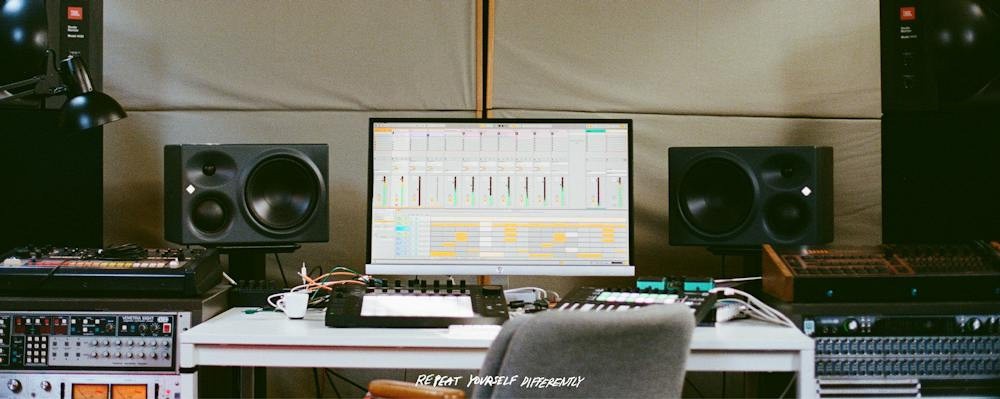
The Step Sequencer is intended for beats, melodies and polyrhythms. A step-based interface exposes the placement and repetition of events directly. That is useful for experimenting with patterns whose lengths interact, rather than always starting by recording a performance into a conventional timeline.
It does not replace performance. It offers a different way into it: a pattern can supply the rhythmic structure while live gestures add variation. The benefit depends on how easily a musician can move between those modes without losing the idea that prompted the experiment.
Capture Automation addresses a related problem by remembering control gestures. A useful movement made while exploring a sound can become material rather than something to reproduce from memory after enabling recording. The point is less about generating music automatically than retaining the decisions made while listening.
ARA 2 keeps detailed audio work closer to the session
ARA 2 support allows compatible audio-editing tools to work more closely with Live's clips and timeline. Ableton specifies one ARA plug-in at a time, usable across multiple clips and tracks. That limit matters when planning a workflow around several specialized processors.
Suite includes Melodyne essential, alongside additions such as Looplet, Clipper and Transient Shaper. Looplet uses four playheads for sample manipulation. These are edition-specific inclusions; the full feature list should not be attributed automatically to Intro or Standard.
Racks expand to 32 macros with custom curves, while contextual browsing aims to make device choices more relevant to the current chain. Both changes are about managing a growing session: expose the controls that matter and reduce the search for a useful next component.
Read the upgrade against the license you own
The official shop and FAQ describe a 20% Live 12 offer with an upgrade to the corresponding Live 13 edition when it launches. Existing owners are directed to sign in for their specific upgrade options. A new purchase, an existing license and an ongoing rent-to-own plan are not the same transaction.
Push integration also varies by hardware generation. Features highlighted for Push 3 should not be transferred wholesale to Push 2 simply because both control Live.
Live 13's appeal is strongest where these changes remove a familiar interruption: rebuilding a gesture, leaving the session to edit audio, or searching a long device list. The meaningful upgrade will be the moment a good accidental phrase survives the experiment and becomes part of the track, rather than another idea lost between controls.