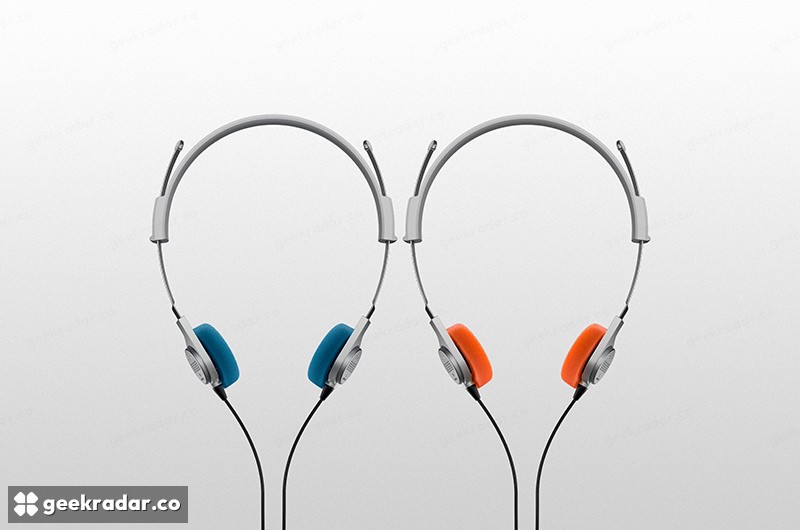
Sony’s MDR-3R brings Walkman-era headphones to a USB-C port
The Japanese launch pairs a familiar lightweight shape with wired digital audio. Compatibility and the open design matter more than the nostalgic colours.
Sony is bringing back the look of its original Walkman headphones with a connector their 1979 ancestors could not have imagined. The MDR-3R uses USB-C, combining a thin metal headband and brightly coloured pads with digital audio, an inline microphone and playback controls. Japan gets the headphones on November 20; a wider launch has not been established by the announcement.
The Japanese launch notice lists an expected market price of about ¥8,000 including tax for the standard silver model. A Sony Store-exclusive Stranger Things edition is expected to cost about ¥10,000. These are Japanese price indications, not converted international retail prices.
A familiar silhouette, a different connection
The reference is the MDR-3 family that accompanied the first Walkman. Sony has retained the visual lightness that distinguished those headphones: small on-ear cups, exposed headband and replaceable coloured cushions. The standard package includes blue and orange pads; the collaboration version includes black and red ones.
The connection changes the experience more fundamentally than the colours. USB-C means there is no Bluetooth pairing or separate headphone battery to charge. It also means the headphones occupy a port that may be needed for charging or another accessory. That is the same practical compromise explored in our coverage of Bose's wired USB-C earbuds: removing a charging case does not remove every connection constraint.
Sony specifies USB Audio Class 1.0 compatibility, while noting that behaviour can differ with the device, operating system and application. A matching socket alone is therefore insufficient to guarantee every microphone or remote-control function. Buyers should check the actual device combination, especially if calls matter as much as listening.
There is an unusually relevant footnote for a retro product: Sony does not recommend using this model with Walkman players. The resemblance is a design lineage, not a statement that the MDR-3R is a universal replacement for the headphones supplied with a cassette machine.

Small drivers are not a listening verdict
Sony says it developed a 23mm driver using the original design material as a starting point. The product page emphasises low weight and an open wearing experience. These are useful clues about the intended role: headphones that are easy to carry and put on, rather than an attempt to reproduce the physical enclosure of large travel headphones.
They do not establish sound quality. Driver diameter cannot tell us whether voices sound natural, whether bass remains convincing at a comfortable volume or how securely the pads sit on different ears. Sony's description of the tuning remains a manufacturer claim until supported by listening and measurements.
That second point matters more than a nostalgic photograph suggests. A light, open design may be appealing at a desk or on a walk, but physical openness changes how much of the surroundings remains audible. It should not be mistaken for a claim of noise cancellation or judged as though its main purpose were shutting out an aircraft cabin.
Nostalgia works best when it stays usable
The Stranger Things version adds a recognisable cultural connection without changing the central buying question. Its different pads and presentation may justify the premium to a fan; they are not evidence of a better audio system. The standard model already carries the silhouette that makes the revival interesting.
For now, the concrete purchase information is Japanese. Sony has shown how a familiar object can be adapted to current phones without adding wireless complexity. Whether that adaptation succeeds depends less on how closely it resembles an old Walkman advert than on how comfortably it fits into a day that already has plenty of devices to charge.