HomePod mini 2 is on sale; the Siri AI promise has a separate timetable
Speaker configurations and Mac compatibility can be checked now. The future assistant still depends on language, region and another compatible device.
HomePod mini 2 is now a purchasable speaker, but its most ambitious Siri promise belongs to a later software update. Keeping those two timelines separate is the useful starting point for evaluating Apple's new small HomePod: the hardware, audio arrangements and device requirements can be considered now, while Siri AI still carries language, region and setup conditions.
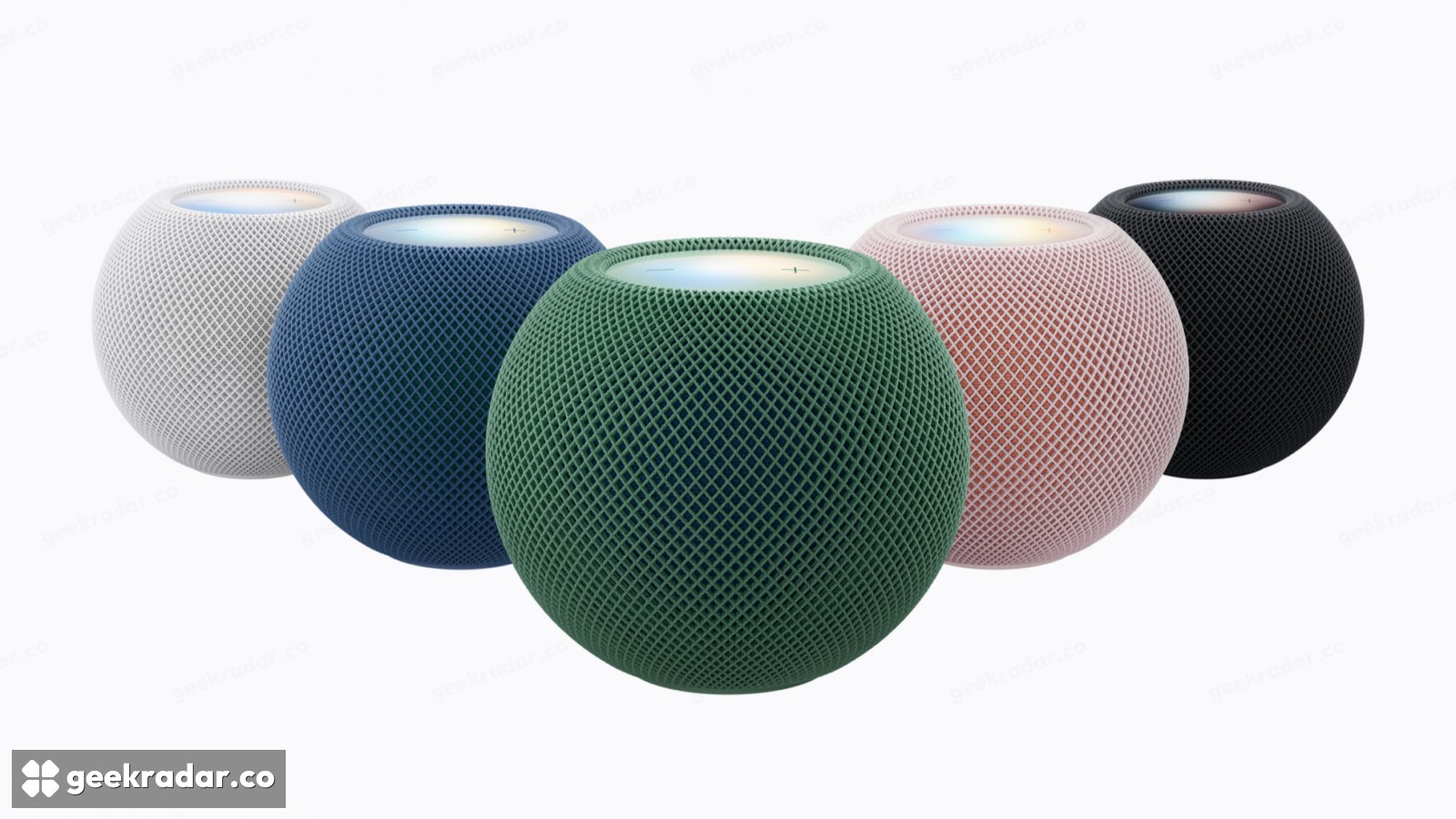
Apple announced the speaker on October 13 with availability from October 30 and a UK price of £149. Its S10 chip supports computational audio, while the new Sound Glow surface brings visual information to the top of the speaker. Those are product features; Apple's claims about sound quality still need to be distinguished from independent listening comparisons.
A small speaker can belong to a larger system
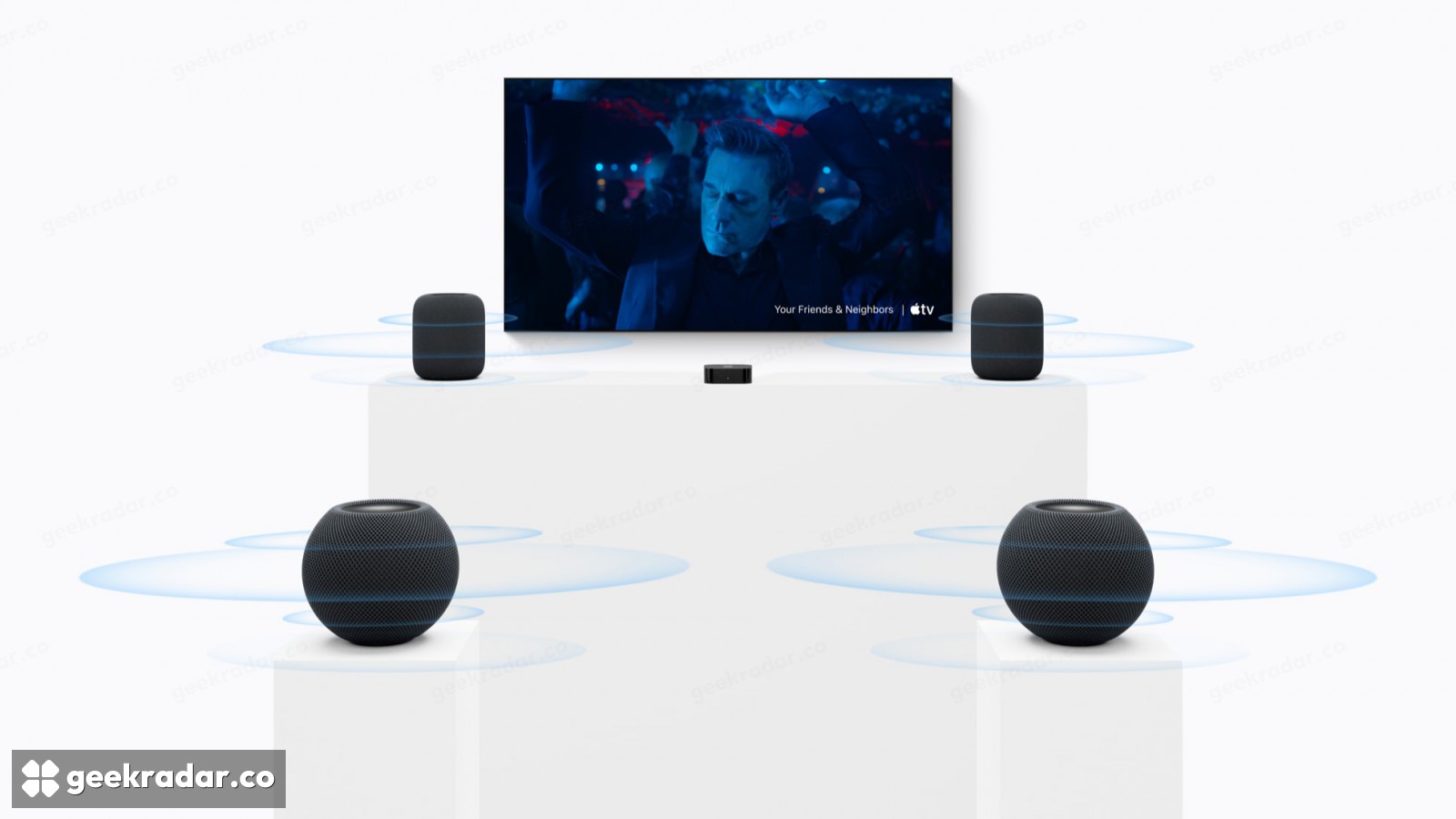
Stereo pairing and multiroom playback make the purchase less isolated than the price of one unit suggests. A single speaker, a stereo pair and a home-theater arrangement answer different needs and involve different equipment.
Apple's four-speaker surround specification requires an Apple TV 4K of the fourth generation and matching front and rear pairs of HomePod mini 2 or second-generation HomePod speakers, on the required software. The official example combines larger speakers at the front with minis at the rear. It is not a claim that any four existing HomePods can be assembled into the same setup.
That is a compatibility boundary with a budget consequence. Someone who already owns a compatible pair may face a different upgrade path from someone starting with no speakers or an older Apple TV. The correct comparison is the complete arrangement needed for the intended room, rather than four times a price detached from the other requirements.
The Mac feature also has a hardware condition
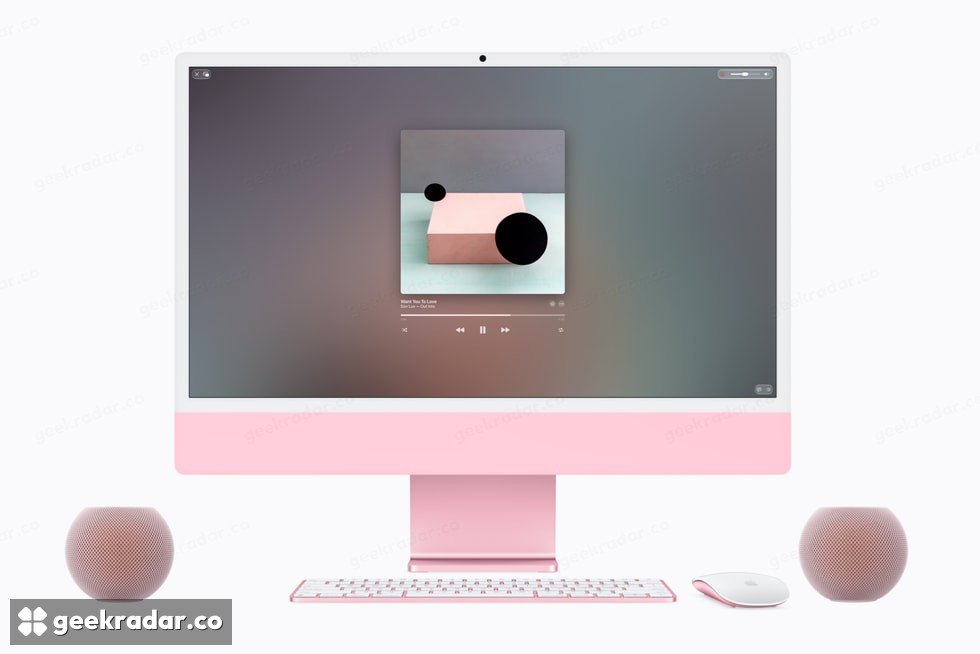
Using HomePod as a Mac's default speaker is another announced capability with a specific qualification: Apple lists Macs with Wi-Fi 6E or later. It supports a single HomePod or a stereo pair. Owning a Mac and a HomePod is therefore not, by itself, enough to establish support for this particular feature.
The feature is relevant to a desk that switches between music and computer audio. It does not establish a measured latency result for games, recording or real-time monitoring. Those uses place different demands on an audio path, and the announcement should not be stretched into a performance test it does not contain.
Siri AI is a roadmap item with a gatekeeper
Apple says Siri AI will arrive later as a free software update, initially in English in selected markets. Setup requires the home owner in the Home app to have an Apple Intelligence-enabled iPhone or iPad, with the necessary software, language and Siri AI settings. Personal-context requests also depend on a paired compatible device.
This means the speaker is not described as an entirely self-contained route to the new assistant. The household's setup device matters, even though some general requests can subsequently be available to other household members. Apple also says Siri AI will not initially be available in the EU on iOS or iPadOS, a material restriction when those devices form part of the setup chain.
There is a further distinction between a free update and unlimited future use. Apple's footnotes say certain server-based Apple Intelligence features have daily limits, with expanded access planned for a fee. That does not make every ordinary speaker function a subscription; it does mean the assistant promise should not be summarized as unrestricted access included forever.
HomePod mini 2 is easiest to judge when these conditions remain attached to their features. Buy the speaker for a system that is useful on its documented terms. A later assistant can add value, but it should not be asked to justify today's purchase before its own availability and limits are clear.