Dune: Part Three’s IMAX promise is about the screening format as much as the camera
Shot on IMAX film does not mean every cinema will project a 70mm print. A spoiler-free look at the release and format choices.
Dune: Part Three's final-trailer campaign brings Denis Villeneuve's trilogy closer to its December cinema release. For anyone who wants to arrive without plot revelations, the useful news is in the presentation and release information: this is a theatrical conclusion to the filmmaker's adaptation, with an IMAX 70mm engagement at selected venues rather than one identical format everywhere.
IMAX's event listing says the film was shot with IMAX film cameras and will play in 70mm at selected IMAX theatres from December 18. That is a specific exhibition announcement. It should not be read as a promise that every IMAX-branded screening uses film projection or that every country opens on the same day.
Three format questions that are often collapsed into one
How a movie is photographed, how its image is prepared for release and how a particular auditorium projects it are related but different questions. The use of a film camera does not mean every audience will watch a physical print. Likewise, a premium-format label on a booking page is not a complete technical description of that screening.
For a viewer choosing a venue, the useful information is the actual session listing: projection format, language, subtitles, accessibility options and the seat's relationship to the screen. A cinema chain may operate several kinds of auditorium, so the brand of the building alone does not answer those questions.
That distinction is particularly relevant to a film whose large-scale imagery is part of the attraction. A special-format presentation can be a good reason to choose a screening, but it should be selected for what the venue offers rather than an assumption carried over from the production announcement.
A conclusion, not a standalone entry point
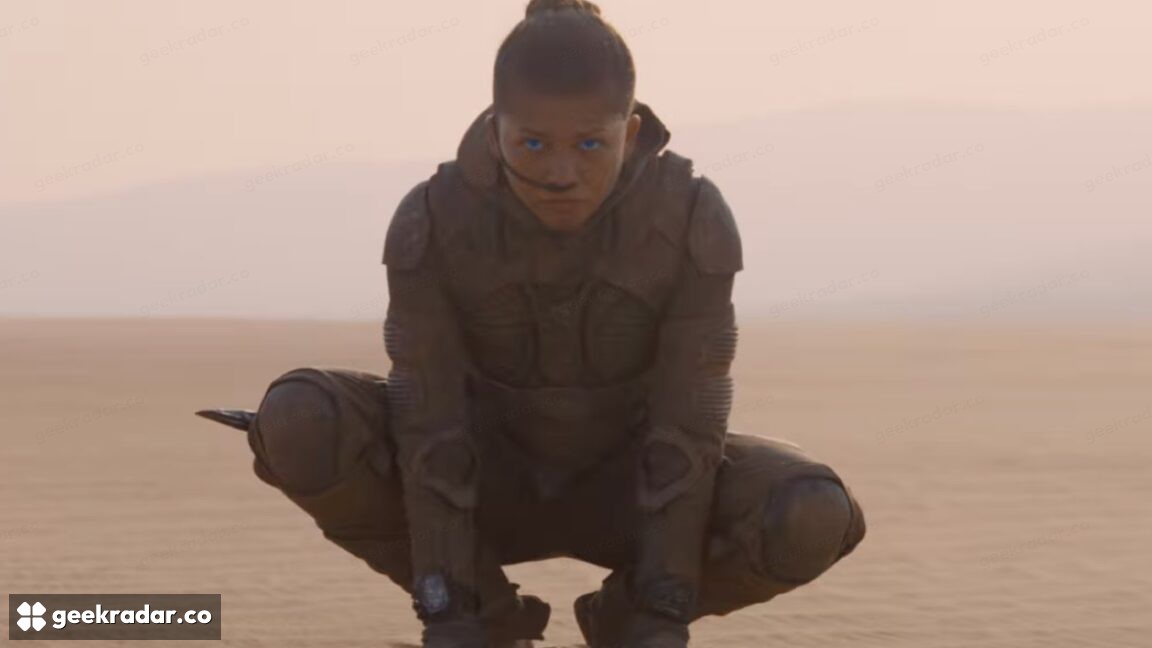
Warner Bros. describes Part Three as the conclusion of Villeneuve's trilogy, with a screenplay by Villeneuve and Brian K. Vaughan based on Frank Herbert's novels. Timothée Chalamet and Zendaya lead the returning cast, and Hans Zimmer supplies the score.
The earlier films establish the world, relationships and political conflicts that give this chapter context. Watching them in release order is a more reliable preparation than a trailer breakdown, which can combine new footage with explanations that reveal far more than a first-time viewer intended to learn.
The ticket comes before a streaming assumption
The current campaign concerns cinemas. A theatrical date does not establish a subscription-streaming debut, a rental date or inclusion in a particular plan. Those windows need their own announcements.
The new trailer's arrival is a marker of the release approaching, not evidence of the finished film's quality. There is no need to infer a review from promotional footage.
For viewers already committed to the trilogy, the most useful preparation now may be logistical: choose the presentation and language you want, check the local date, and leave the story to the screen. The final marketing push does not have to become an advance viewing of the film's surprises.