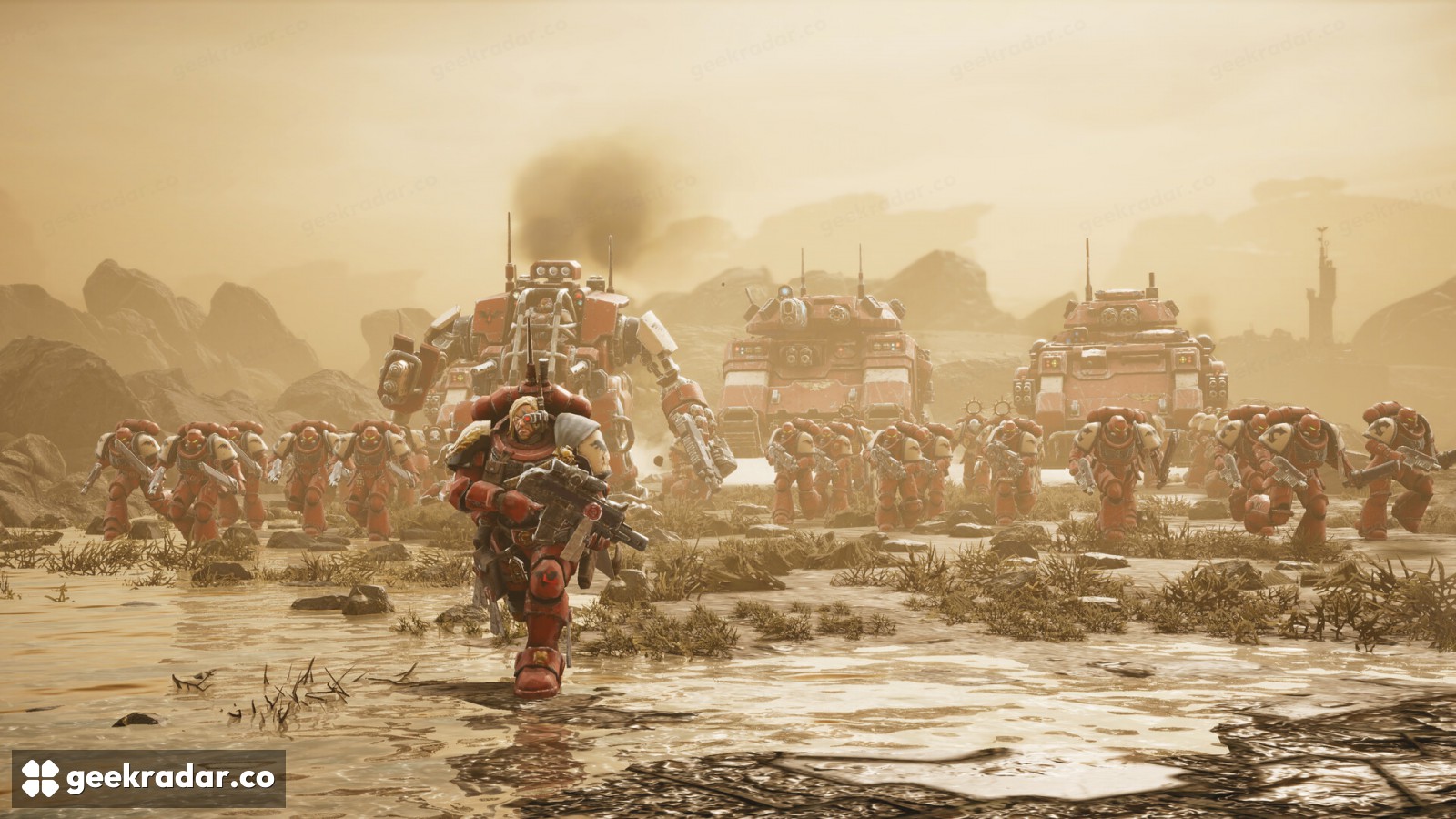
Dawn of War 4’s 70 campaign missions need four factions’ worth of context
Branching campaigns change how the headline mission count translates into a playthrough. Variety matters more than adding every path together.
Dawn of War 4's four campaigns are intended to make its factions understandable from the inside. In a new interview, King Art creative director Jan Theysen explains that separate stories for Space Marines, Orks, Necrons and Adeptus Mechanicus were an early decision, with branching paths subsequently expanding the project to roughly 70 missions.
The figure comes from Theysen's interview with TechRadar. It describes the planned campaign content, not a promise that one playthrough contains 70 consecutive missions. Mutually exclusive branches make that distinction important.
An opponent is not the same as a viewpoint
Meeting a faction only as an enemy teaches a player what it threatens. Controlling it can teach something different: which resources matter, which units are expendable, where its strengths create temptation and where its limitations punish an assumption. A dedicated campaign has space to build those lessons into objectives rather than relying entirely on introductory text.
Theysen says the team wanted cinematic storytelling, heroes and cutscenes, citing classic RTS campaigns as reference points. He also describes consultation with Games Workshop. These are explanations of the development approach; they do not establish the quality of the final writing or how distinct every mission will feel.
Branching missions add another dimension. If choosing one route excludes another, the total mission count measures the breadth of the campaign design rather than the length of a single mandatory route. That can support replay without requiring every first-time player to complete every variation.
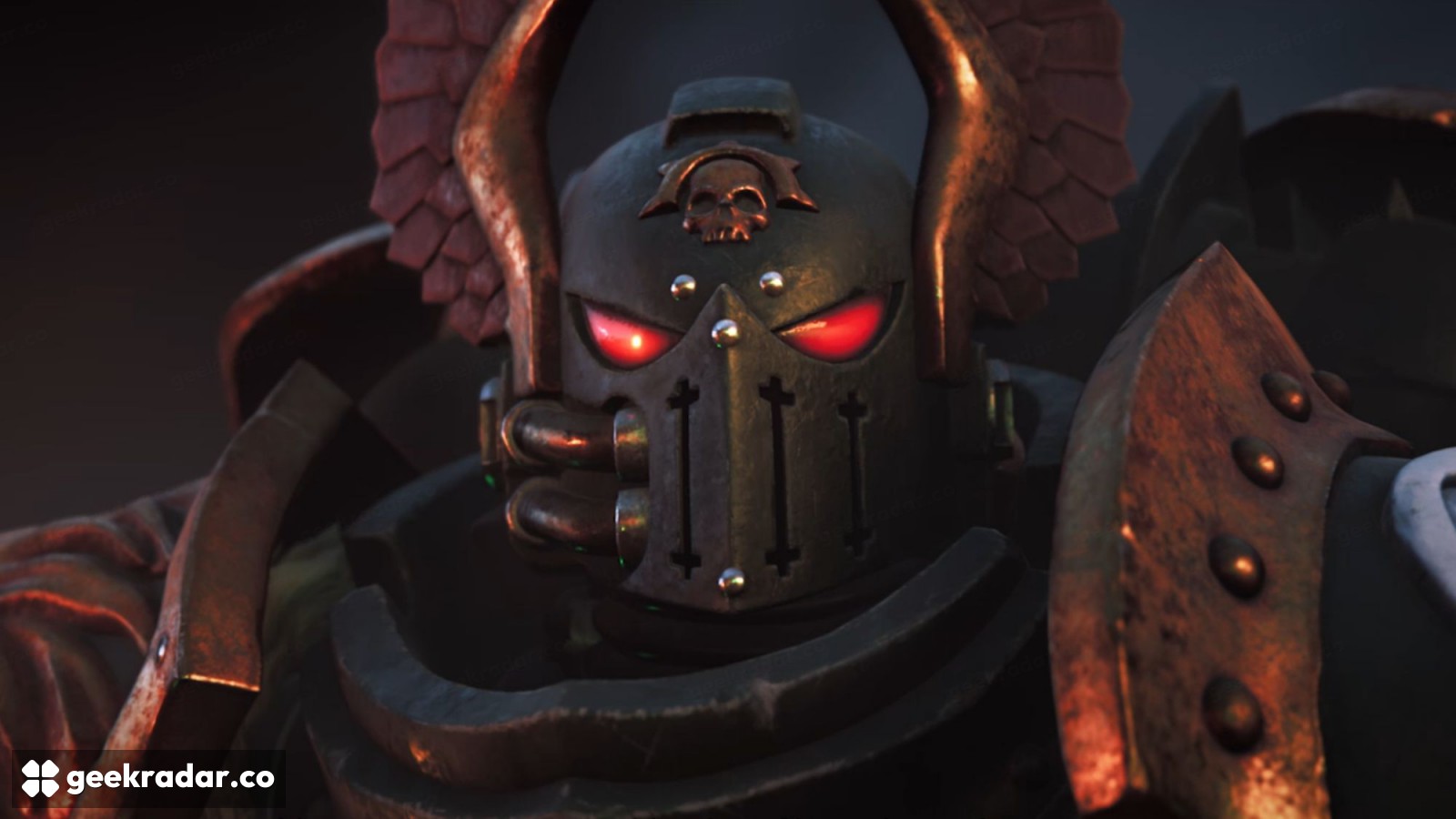
Scale must earn its place in a strategy game
More missions can create room for a faction to develop, but they can also repeat the same tactical problem with different scenery. The useful distinction will be whether a new objective asks the player to reconsider a familiar army, rather than merely deploy it again.
The interview is encouraging in one specific respect: it identifies a reason for the scale. The additional campaigns originate in the factions' different perspectives, rather than a mission total chosen first and filled later. That gives the ambition a coherent design argument without proving the execution in advance.
For players deciding whether to follow the project, the meaningful promise is four opportunities to understand how an army thinks. The number 70 attracts attention; the moment a faction changes a familiar tactical instinct is what could make the campaign worth returning to.