
Star Wars Galaxies Restoration gets modern rendering—and reasons to revisit Kashyyyk
A New Dawn brings an optional DirectX 12 renderer and repeatable instances. Its trading changes reveal how convenience can preserve a living world.
Star Wars Galaxies Restoration's A New Dawn update makes its experimental DirectX 12 renderer available on the live server. The more consequential change may be what happens after the improved landscape has caught your eye: six Kashyyyk instances now support repeat visits, difficulty settings and daily resets, giving established locations a more durable role in the game.
The project's patch notes describe both changes, alongside a unified trade search and improvements to player housing. This is a fan-run continuation of Star Wars Galaxies, not an official Disney or publisher relaunch. Its value lies in the work being done to a particular community's game, rather than in any claim that the original commercial service has returned.
The new renderer is a choice, with a hardware condition
The DirectX 12 option sits under Settings → Experimental in the launcher and requires a CPU with AVX2 support. The advertised additions include modern upscaling, volumetric atmosphere, revised water and longer terrain and shadow distances. Availability on Live does not remove the experimental designation.
That distinction should shape a returning player's first session. A newer rendering path can expose different driver or hardware problems from the established client. It is sensible to establish that the game works with the normal configuration before changing rendering options, particularly if the computer has not run Restoration recently.
Upscaling also does not make all systems equivalent. It changes how an image is reconstructed from a rendering workload; it cannot guarantee that every processor, driver and scene will deliver the same frame rate. The patch notes establish support, not a universal performance improvement.
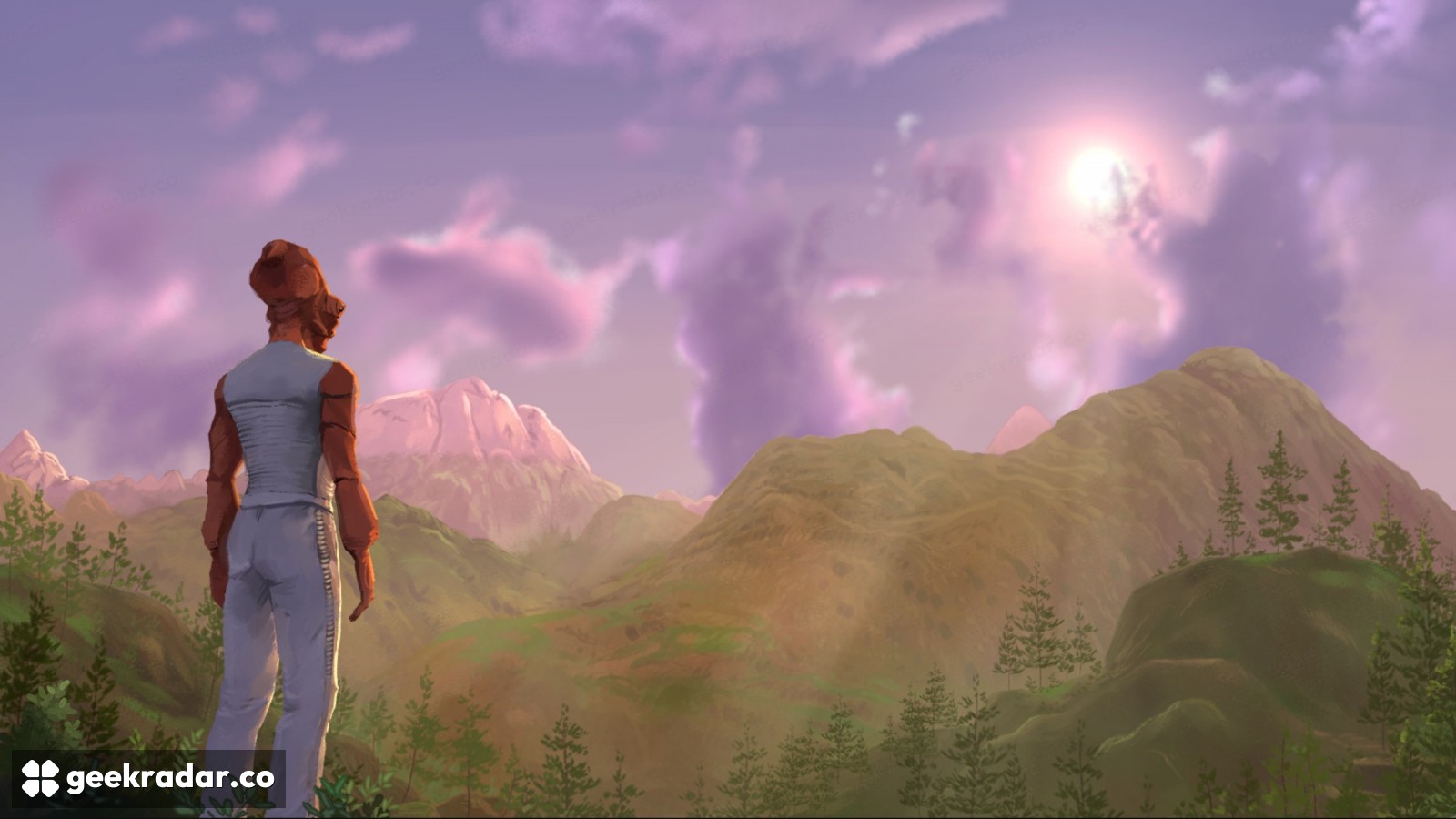
Kashyyyk gets a reason for a second visit
In its Kashyyyk developer diary, the team explains the problem with much of the older content: once its one-off rewards were collected, there was little reason to return. The revised instance structure addresses that without requiring an entirely new planet.
The design question is interesting because a repeatable encounter changes the relationship between a place and a group. A one-time quest can be completed by whoever happens to be available. An encounter with difficulty choices and a reset can become something friends plan around, revisit with a different composition or use to help another member progress.
That does not automatically make repetition enjoyable. Reward balance and the time required for a run will determine whether an old location becomes a regular destination or an obligation. The developers explicitly anticipate further balancing. Their implementation can therefore be judged as a new structure for play without pretending its long-term rhythm is already settled.
We are keeping encounter solutions and story outcomes out of this guide. Returning players can inspect their instance availability with /showinstance, then discover the revised spaces without a list of boss mechanics spoiling the route.
A trading system that still needs places
Another revealing change is the Galactic Trade Network. It combines bazaar and player-vendor listings in a common search, but a player-vendor purchase still requires visiting the actual vendor. The listing provides the route rather than replacing the destination.
That is a meaningful compromise for a social sandbox. Searching becomes less awkward while a shop can remain a place in the world, with a location that matters. Removing every journey would be convenient, but it could also remove part of what makes player-built settlements useful to other people.
The housing and city changes belong to that same broader effort: making systems around combat worth using. It is a different preservation problem from the one discussed in our Ghostwire: Tokyo coverage, where reducing an external account dependency helped a finished game survive. Here, preservation also involves maintaining reasons for a community to inhabit the world together.
For readers following MMOs, A New Dawn is worth attention beyond its prettier horizon. A landscape can survive in an archive or a screenshot. A living world needs someone to travel through it, a reason to come back, and another player with something worth visiting.