Shogun 2: Creative Assembly accepts an oversight failure, but fixes have no timetable
Roger Collum names a senior response team and clarifies the studio’s asset policy. The investigation and repair plan remain unfinished.
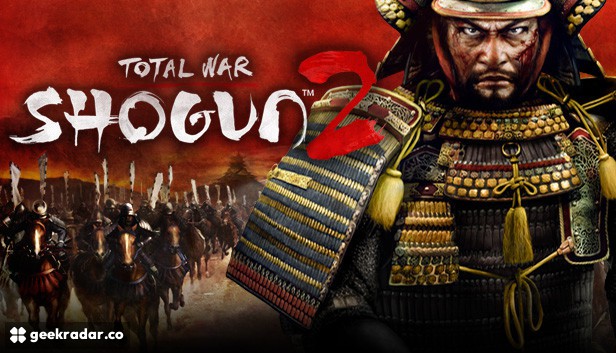
Creative Assembly has acknowledged that it failed to give Total War: Shogun 2 – Complete Edition the oversight it needed. In an October 23 statement, Total War vice president Roger Collum said the remaster was developed externally and did not pass through the same internal reviews and quality-assurance process as the studio's own work.
The important part of Collum's statement is what follows that explanation: Creative Assembly accepts responsibility for a release carrying the Total War name. A small group of senior developers is now working with Sega and the external team on next steps. There is no repair timetable in the statement.
An explanation of the gap, not a repair plan
We previously covered the remaster's withdrawal from sale. This update addresses a different question: how the franchise's custodian understood its role while another team was making the game.
Collum describes Creative Assembly's attention as being directed towards its next projects. That gives the failure a specific organisational shape. The issue was not simply that an outside studio contributed work; external development still needs an acceptance process that decides whether the finished product meets the standards attached to its name.
Players cannot inspect a publisher's internal contract before buying. They encounter a title, a storefront description and a familiar franchise. If quality responsibility changes with the staffing arrangement, that change is largely invisible at the point of purchase. Collum's acknowledgement is valuable precisely because it does not ask customers to reconstruct that arrangement before expecting a working release.
PC Gamer's report on the response places it after Sega's decision to pull the remaster. The new senior team is a commitment of people, however, rather than evidence that the underlying problems have already been corrected. A relaunch date, patch scope or replacement policy would each require its own announcement.
The AI question remains under investigation
Collum also states that Creative Assembly does not use generative AI to make game assets and expects the same of outside developers. He distinguishes that policy from using AI tools for work such as analysis, debugging or rapid prototyping.
Crucially, he says the situation with this edition is being investigated. That is not a finding that particular assets were generated, nor a finding clearing every asset. A declared company policy and the result of an investigation are different kinds of evidence.
This is why the argument should not collapse into a visual guessing game about individual pictures. The relevant questions are who approved the delivered material, which checks were applied and what the investigation can establish. Screenshots can reveal a problem worth examining; they cannot disclose every step of its production.
Responsibility needs an observable result
Collum asks players to direct criticism at leadership rather than individual staff, including community and quality-assurance teams. That is consistent with the substance of his account: a failure of supervision cannot reasonably be assigned to whoever happens to answer the next support message.
The useful next distinction is between explanation and remedy. The explanation is now more concrete. The remedy will become concrete when players can see what has been fixed, what has been checked and what they can actually obtain. A franchise name is a promise of continuity; putting it on an externally developed release does not transfer that promise to the customer.