Modern Warfare 4’s Kill Block turns map knowledge into a moving target
Three rearranged sections and shared loadouts change the preparation behind Gunfight. Familiar rooms no longer guarantee familiar approaches.
Modern Warfare 4’s Kill Block changes a familiar multiplayer advantage: knowing exactly where the next corridor leads. Its modular arena recombines sections, so learning the map means recognizing how familiar pieces connect rather than memorizing one permanent layout.
The game’s October 23 launch brings Kill Block into Gunfight with 3v3 and 10v10 formats. Xbox Wire’s launch explanation and the official Kill Block guide describe more than 500 possible configurations at launch. That number expresses combinations, not hundreds of separately authored full maps.
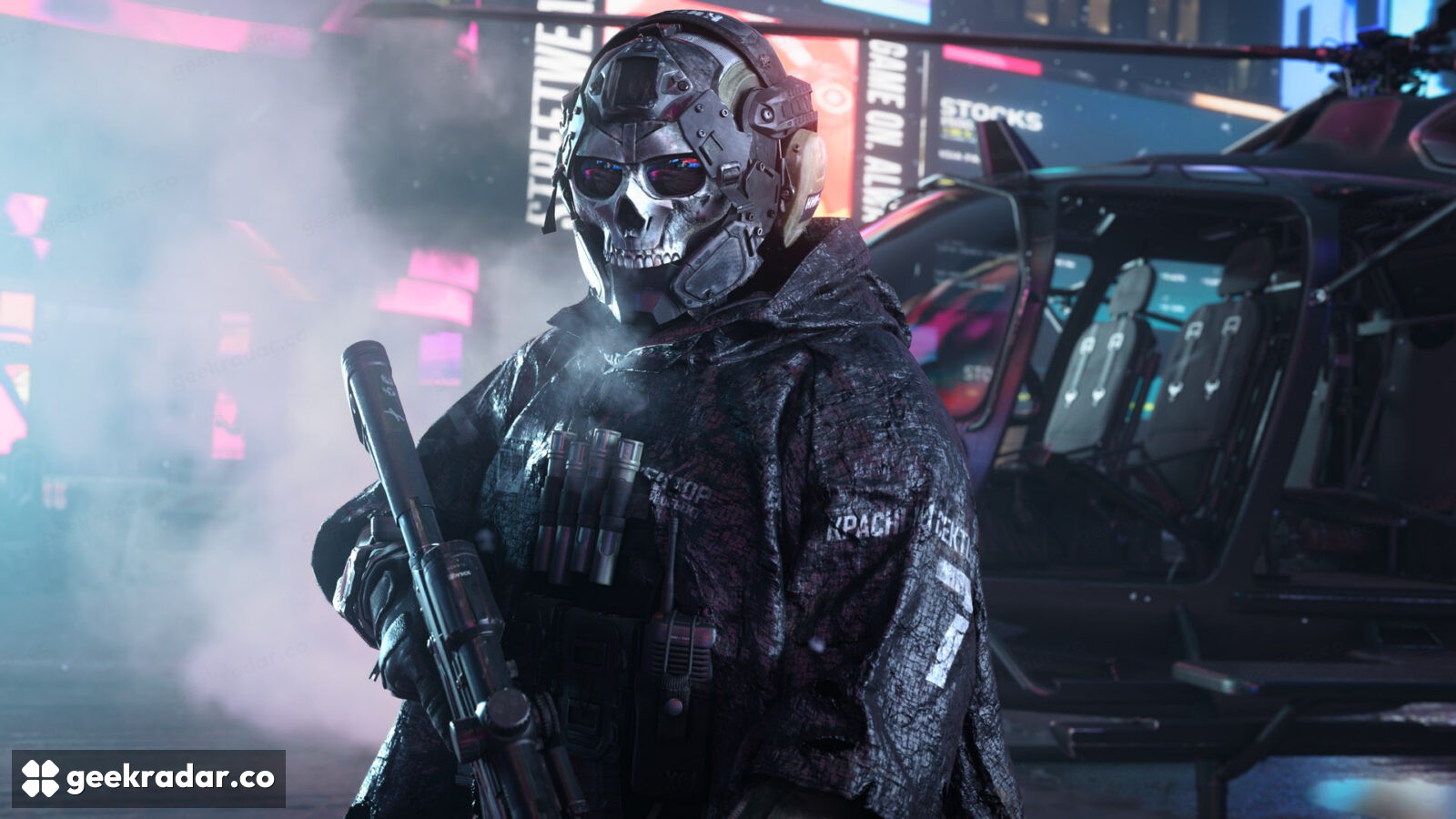
Image: Activision / Xbox Wire.
Familiar rooms, unfamiliar connections
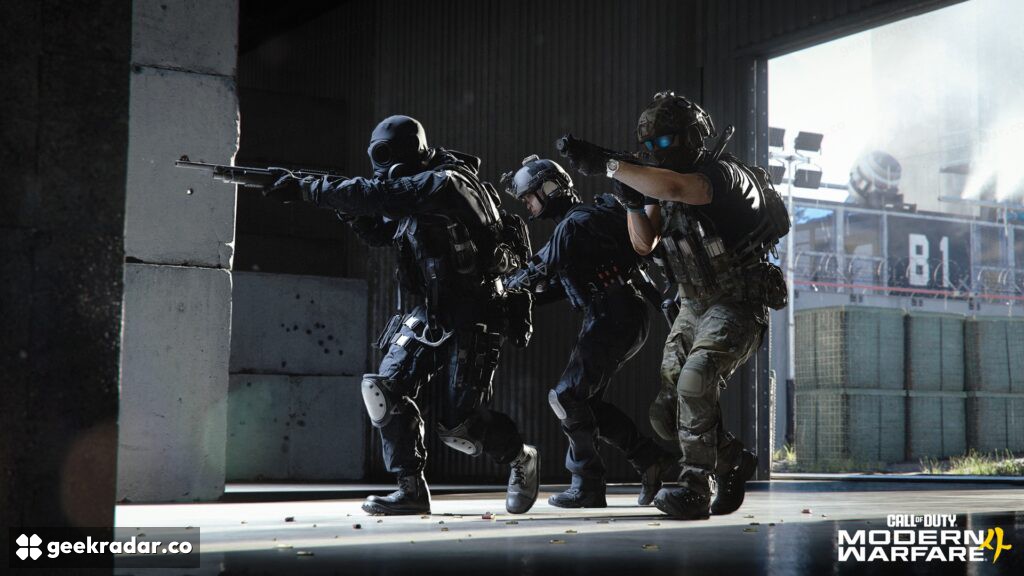
The arena combines a Central Slab with two End Slabs. Each section supplies part of the encounter space; its relationship with the neighboring sections changes the routes and sightlines available to a team. Some pieces draw on recognizable Modern Warfare locations, while others are new.
That arrangement can preserve useful knowledge without letting it settle into a single script. Recognizing a piece of cover still helps. Assuming that its far exit always opens onto the same safe route is more dangerous. The tactical information a player needs is partly local and partly relational: where am I, and what does this section connect to now?
This is a different kind of pressure from the persistence described in our DMZ Operator coverage. DMZ makes a developed character something to protect across deployments. Kill Block challenges the team to rebuild its understanding of the current space inside a short competitive encounter.
What equal equipment does—and does not—equalize
Gunfight removes custom loadouts from this equation. A player cannot solve an unfamiliar layout simply by returning to a favorite personal weapon build. Teams must work with the equipment provided for that round and the range at which it is useful.
Equal equipment does not make every decision equivalent. Movement, communication and the ability to interpret cover still matter. The side swap gives both teams experience of the current arrangement before it changes again, which makes the two-round structure more significant than a simple shuffle after every elimination.
An overtime objective also prevents a stalemate from lasting indefinitely. If neither team has been eliminated, an Overtime Flag creates a point of convergence. A position that was useful for waiting can become less useful when the win condition demands movement.
The developer material also describes weather variation and plans for additional core multiplayer support after launch. Those future modes should remain separate from the confirmed launch offering. Similarly, the publisher’s enthusiasm for the arena is not evidence of long-term competitive balance; that depends on how the combinations behave across many real matches.
The global release makes the mode relevant in Italy without a separate regional launch claim. Players choosing it should expect a test of adaptation more than a tour of nostalgic map fragments. The interesting skill is recognizing enough of the room to act quickly, while resisting the assumption that the doorway still leads where it did last time.