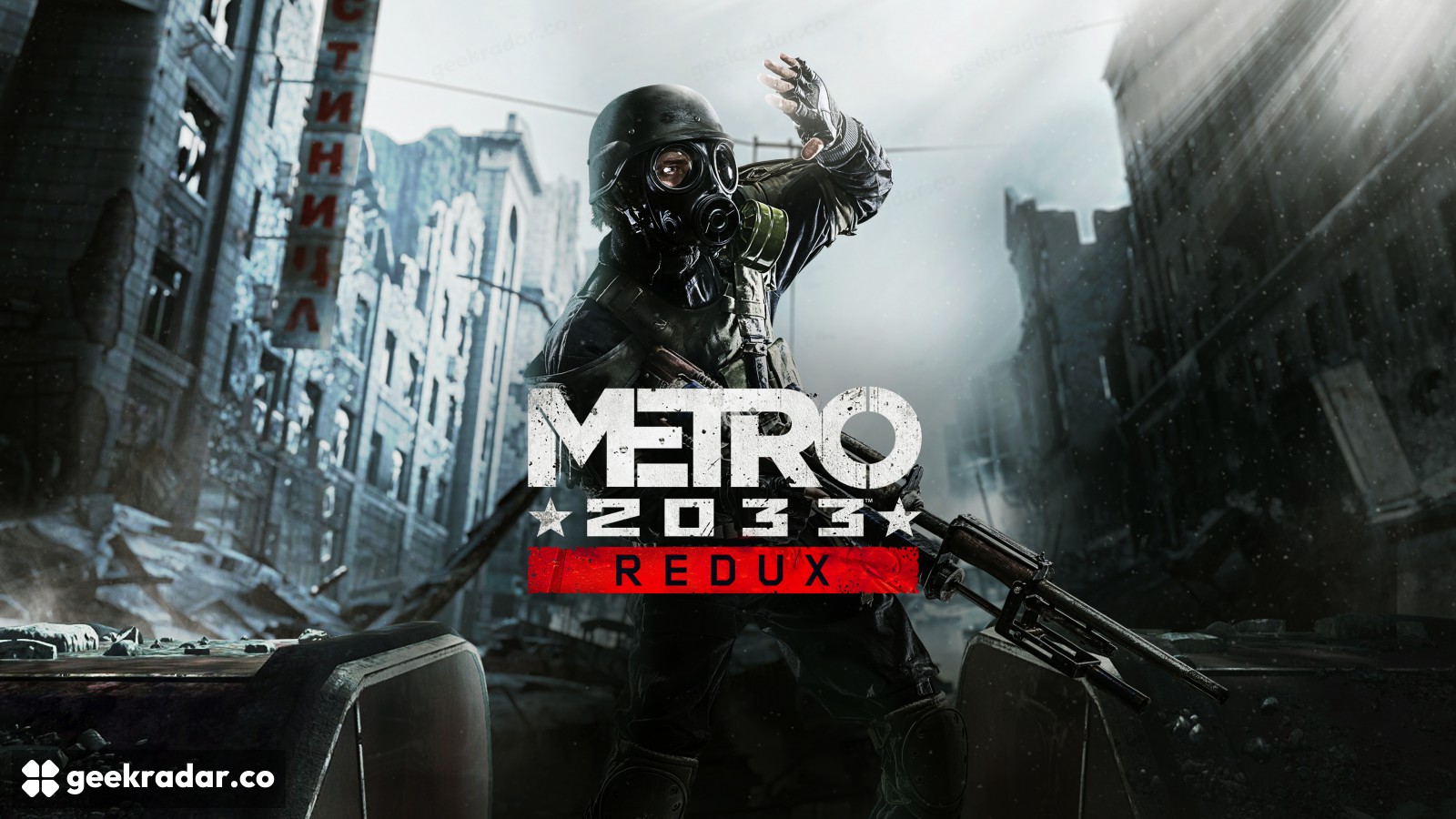
Metro Redux’s upgrade has two dates—and two different 4K choices
PC and console releases are a week apart. The free update preserves the games while adding modern display options.
Metro Redux’s new hardware update has two launch dates, and they should not be collapsed into one. The PC release was set for October 22; PlayStation 5 and Xbox Series X/S follow on October 29, with Japan’s console editions following in November. Existing owners of Metro 2033 Redux and Metro: Last Light Redux are eligible for a free update, according to PLAION’s announcement.
The distinction matters for anyone planning a weekend return. It also matters when reading the upgrade’s headline performance modes: console targets describe the coming console build, rather than a feature that every installed copy already has.
Images: 4A Games / Deep Silver.
What the upgrade is trying to preserve
The developer’s overview explicitly frames this as an update rather than a full remake or remaster. The intent is to improve how the existing Redux games run and look on newer hardware while retaining their established atmosphere.
That is a worthwhile distinction for a series built around constrained spaces and visibility. Sharper textures can make a surface more legible, but rebuilding every scene around a different lighting aesthetic would be a larger creative intervention. An update can be valuable without claiming to reinterpret the original game.
For a returning player, this also sets a sensible expectation about novelty. The attraction is a revised presentation of familiar games, not a newly announced campaign. Someone who wants a different adventure should not confuse a technical refresh with one; someone who wants to revisit the originals may prefer precisely that restraint.
The Italian publisher notice follows that timetable. October 29 is the relevant announced console date for Italian readers; the Japanese exception should not become a vague worldwide delay.
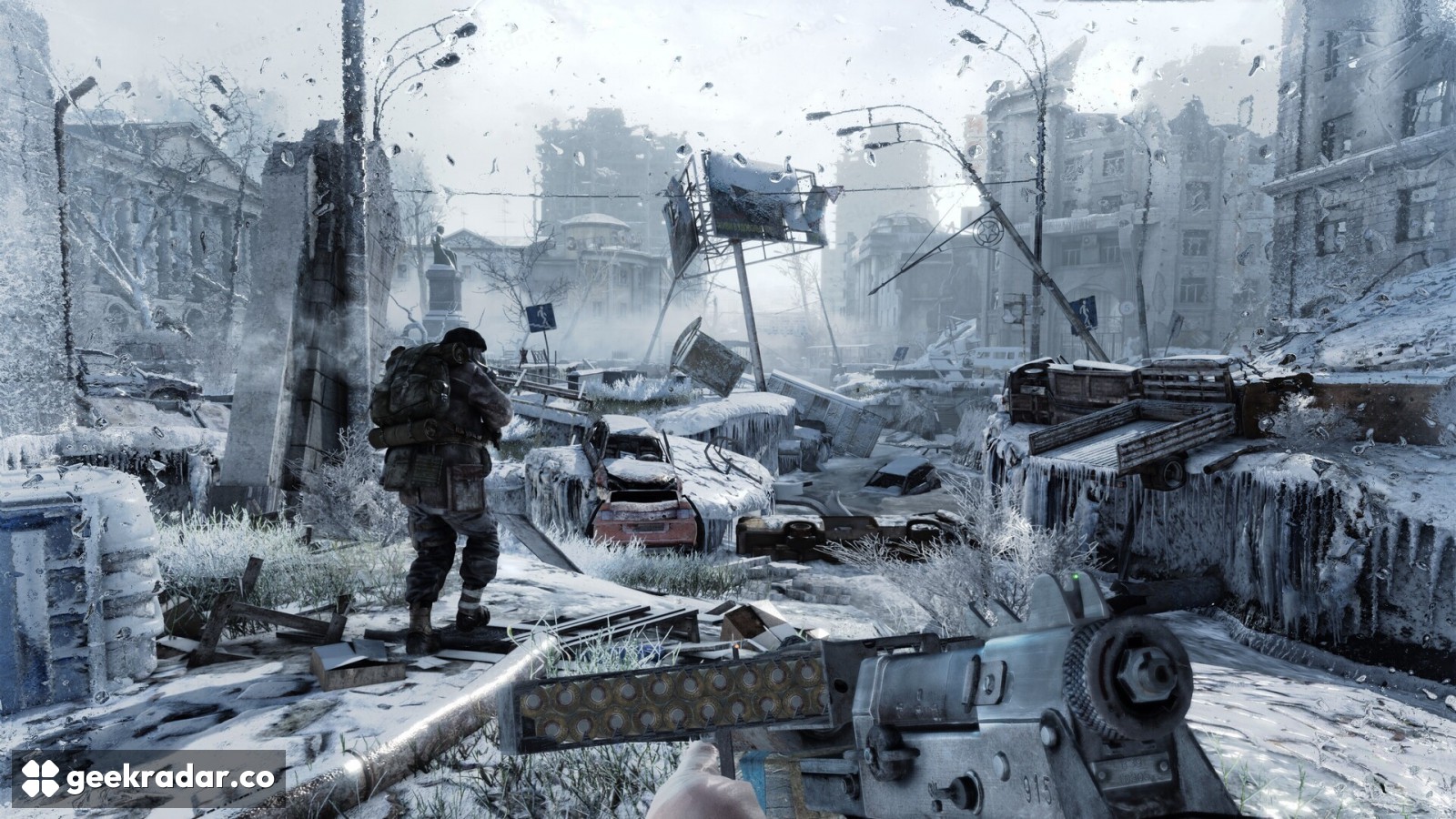
Resolution and responsiveness are different choices
The announced console options include native 4K at 60 frames per second and an upscaled 4K mode at 120fps, subject to compatible display hardware. These are publisher targets, not independent measurements across every console and scene. In particular, the announcement should not be stretched into a promise of identical output on Series S and Series X.
A 120Hz display can show a new frame every 8.3 milliseconds, compared with 16.7 milliseconds at 60Hz. Those are frame intervals, not a measurement of the game’s total input latency. The appeal of a faster mode is smoother motion and more frequent visual updates; the image-quality trade depends on how the game reconstructs its output.
PC support includes DLSS and uncapped frame rates. Here too, a supported feature is an option, not a benchmark: the result depends on the graphics hardware, chosen resolution and settings. Our explanation of newer Radeon upscaling support illustrates why an upscaler’s name alone is never the complete compatibility story.
Metro’s tunnels do not need a new plot to benefit from a clearer, more responsive presentation. They do need the right build. For console players, the practical upgrade begins on the store page and in the version information on October 29, before any choice between 60 and 120fps.