CS2’s Workshop update gives creators a better way to wait for players
New precache state checks and scripting events help custom maps coordinate behavior. This is a creator update, not a promised FPS boost.
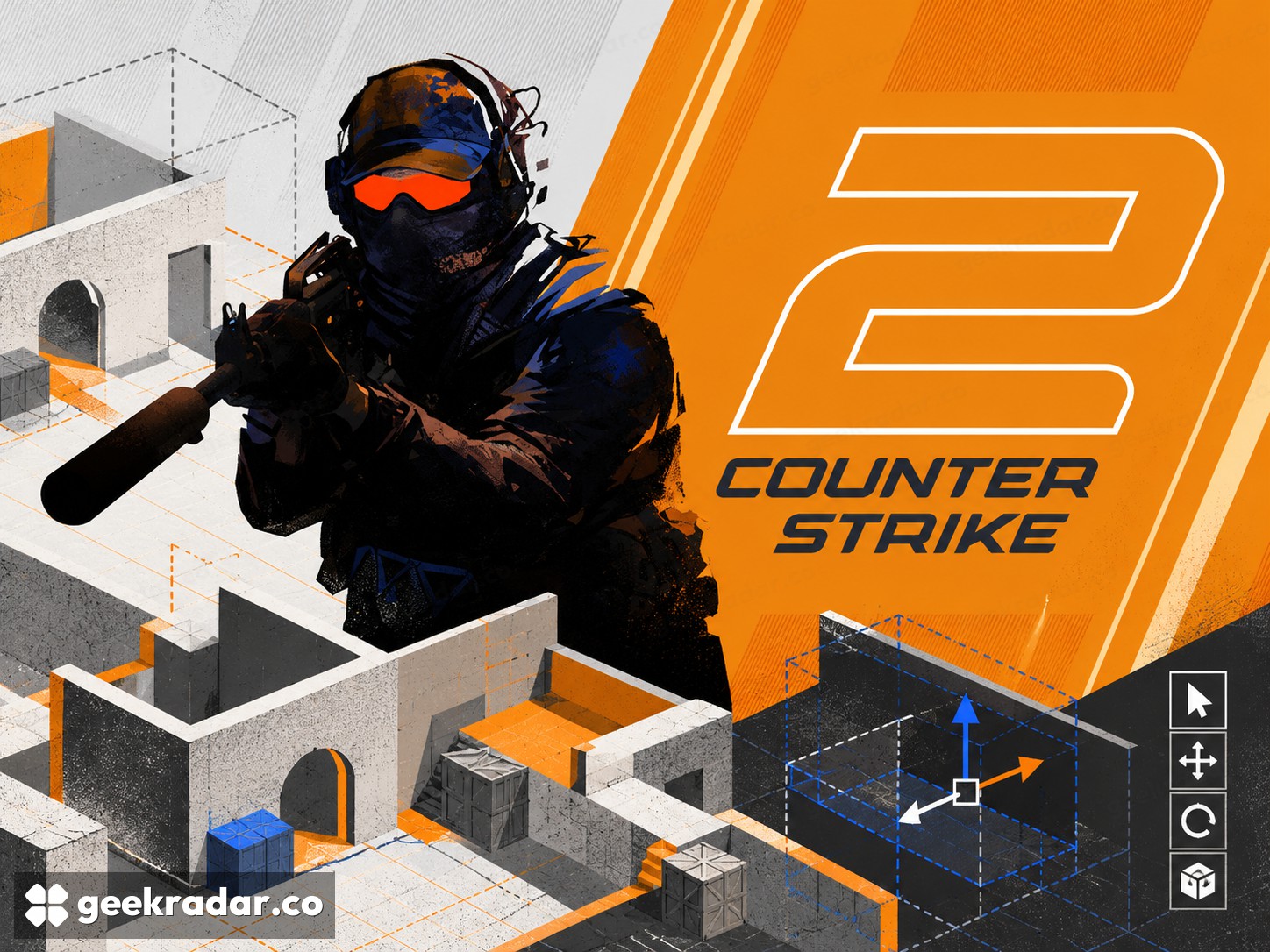
Counter-Strike 2's October 22 update is primarily a release for people building things inside the game. Valve has expanded Workshop scripting with a way to check whether resources have loaded for clients, alongside more detailed hostage events and reorganized console and game-rule functions. The immediate benefit is better control over custom experiences, rather than a promised improvement to competitive frame rates.
The most consequential addition in Valve's update is Instance.Precache. It returns an object that exposes loading state, including a check for whether a resource is loaded for everyone. A creator can therefore distinguish requesting an asset from being ready to use it across the session.
A shared event needs a shared starting point
Imagine a custom map that introduces a scripted effect at a particular moment. The creator's local machine may already have the necessary resource while a connected client is still preparing it. Triggering the event on the assumption that every player is ready can make a synchronized idea feel inconsistent.
The new interface supplies information a script can use to coordinate that transition. It does not automatically rewrite existing maps or guarantee that every resource will load quickly. The author still has to decide what happens while loading is incomplete: wait, show another state, or avoid triggering the dependent event. This is a tool for expressing that decision rather than a universal performance switch.
The official Workshop Tools documentation is the broader starting point for this kind of creation. A scripting API belongs to the map author's toolchain; it should not be confused with a player setting that makes every server behave differently.
More events, fewer assumptions
Valve has also added more detailed hostage-related callbacks and state information. That lets a custom scenario respond to specific stages of an interaction instead of inferring everything from a later outcome. For an author, the value is not simply a longer list of functions. It is being able to make a consequence happen at the right point in a sequence.
Console and game-rule functions have been reorganized into clearer namespaces. Existing locations are deprecated but remain available, so this is a migration task rather than an instruction to assume every older script has stopped working. More useful warnings, including stack information for bad arguments, should also make mistakes easier to locate.
For ordinary players, these changes are most likely to be felt indirectly, through what Workshop creators publish and maintain. They are part of the less visible work behind PC gaming: making a custom rule reliable enough that players can learn it. A dramatic effect is only impressive once; a rule that fires consistently is what allows a map to become a game people return to.