Star Trek: Outposts Unknown launches on PC, putting Starfleet’s infrastructure to work
The new management game builds an original adventure around research facilities and crew assignments. Italian localisation is not listed at launch.
Star Trek: Outposts Unknown has launched on PC on 20 October, putting the work of building a functioning outpost at the centre of a Starfleet assignment. Magic Fuel Games and publisher Playstack are using research facilities, crew management and exploration to turn a familiar science-fiction setting into a management game.
For Italian players, one limitation deserves to sit beside the launch news: the Steam listing does not currently include Italian among its eight supported languages. The game is available through the Italian store, but availability and localisation are different questions, particularly for a title built around systems and an original story.
Starfleet at ground level
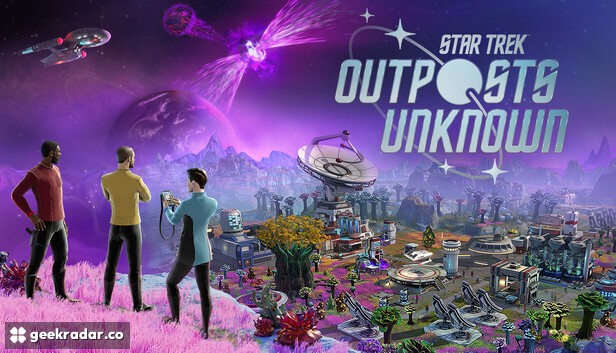
Playstack’s description places the adventure in the 23rd century, alongside the era depicted in Strange New Worlds. It concerns an original story in the X’Lehari System, with research facilities to build, technologies to develop and officers to assign. That gives the game a clear identity before any judgment about how well its systems work.
The interesting fit with Star Trek is the emphasis on infrastructure. Exploration needs somewhere to happen: equipment, people and facilities that make sustained work possible. A management game can turn those supporting activities into decisions rather than leave them behind the dialogue on a bridge.
Choosing a building from a technology tree, for example, is a way of choosing what an outpost can do next. Assigning an officer connects a person to that capability. The publisher’s outline suggests a relationship between development and the crew’s responsibilities; it does not establish that every choice produces a branching story or a permanent consequence, and we should not promise either.
The screenshots show the scale of the proposition
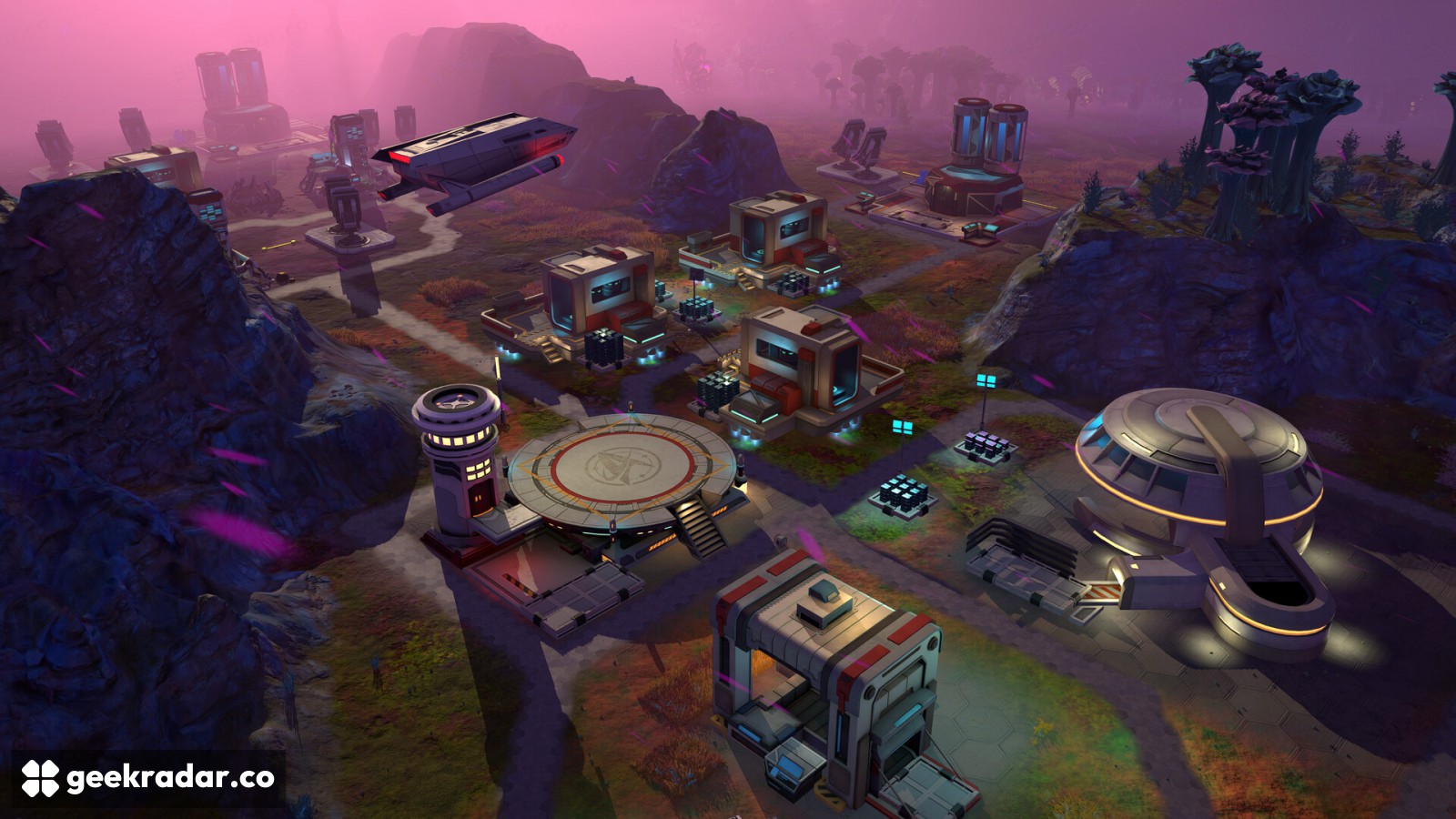
The official images show clusters of facilities, landing infrastructure and paths across alien terrain. They help distinguish the advertised activity from directly piloting a starship. Looking across a settlement asks the player to read a system of buildings, rather than focus only on the next object in front of a character.
That change of viewpoint is meaningful for an established franchise. A recognisable shuttle or Starfleet insignia can connect the setting to the series, but the management layer has to make those objects useful. The licence supplies familiarity; the arrangement and purpose of the outpost supply the reason to keep making decisions.
The Steam product page is the source for those purchase and language details. Regional pricing can differ. The absence of Italian today does not establish whether a translation will ever arrive; there is no confirmed Italian localisation announcement in the sources checked for this launch.
A management game first has to be legible
For an Italian reader comfortable with English, the language limitation may be manageable. For someone who relies on Italian explanations of menus and objectives, it can be decisive. A management game asks the player to understand relationships among options, so reading the interface is part of playing rather than an occasional interruption between action scenes.
This launch belongs in the wider PC gaming picture because it offers a particular interpretation of a large franchise. Its premise is strongest when the outpost feels like the means of doing Starfleet’s work. The most interesting building on an alien world is the one that makes a new kind of exploration possible.
Images: Magic Fuel Games / Playstack. Star Trek and related marks © CBS Studios Inc.