HyperOS 4: the rollout list is not the same as an update for your phone
Xiaomi’s Chinese presentation shows the new interface, but region, hardware and release channel still determine what an Italian handset can receive.
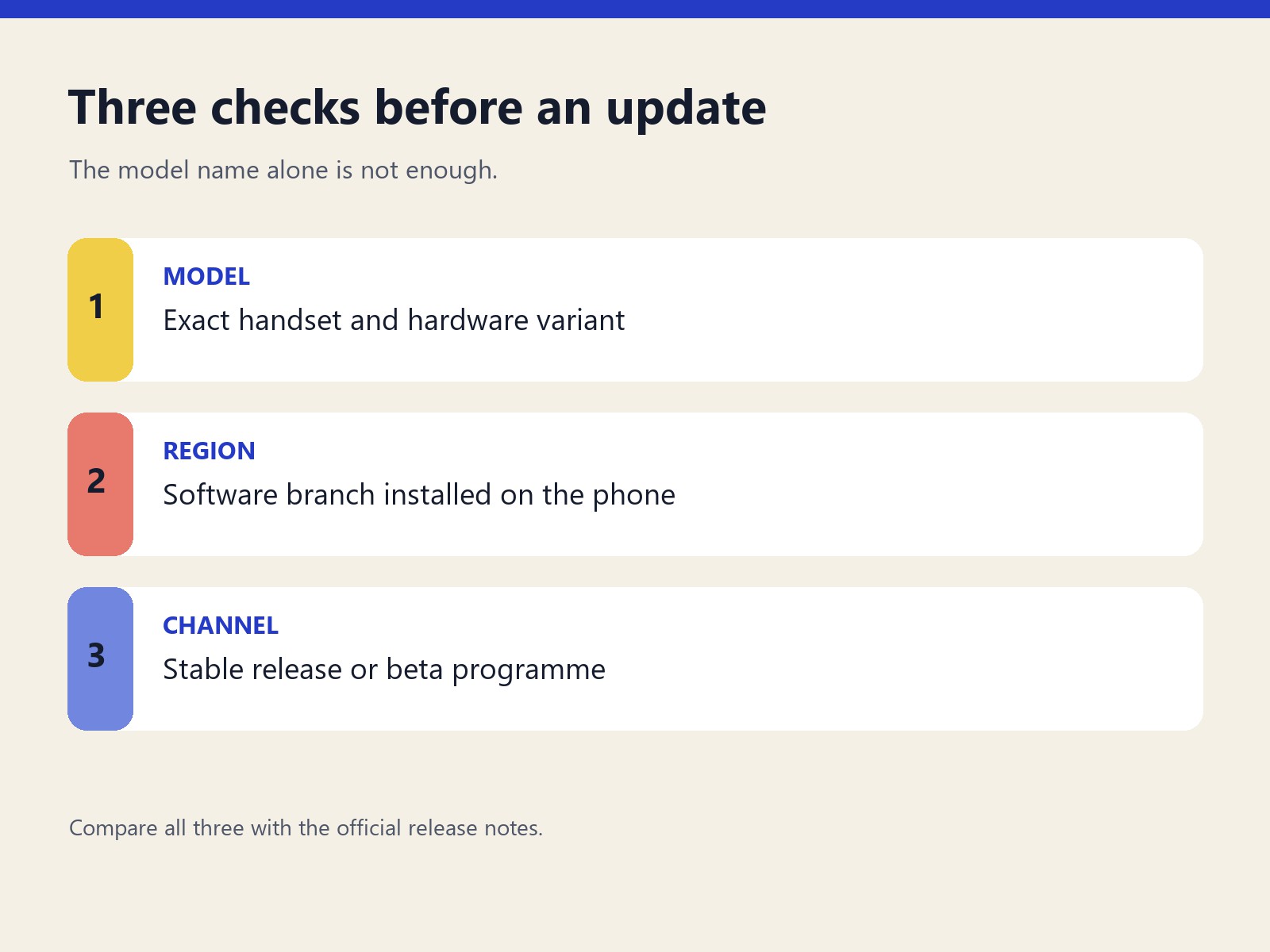
HyperOS 4 is moving through Xiaomi’s release cycle, but an owner in Italy should resist treating every rollout list as a promise for their phone. The useful question has three parts: which model, which regional software branch, and which release channel? A Chinese announcement can answer the first while leaving the other two unresolved.
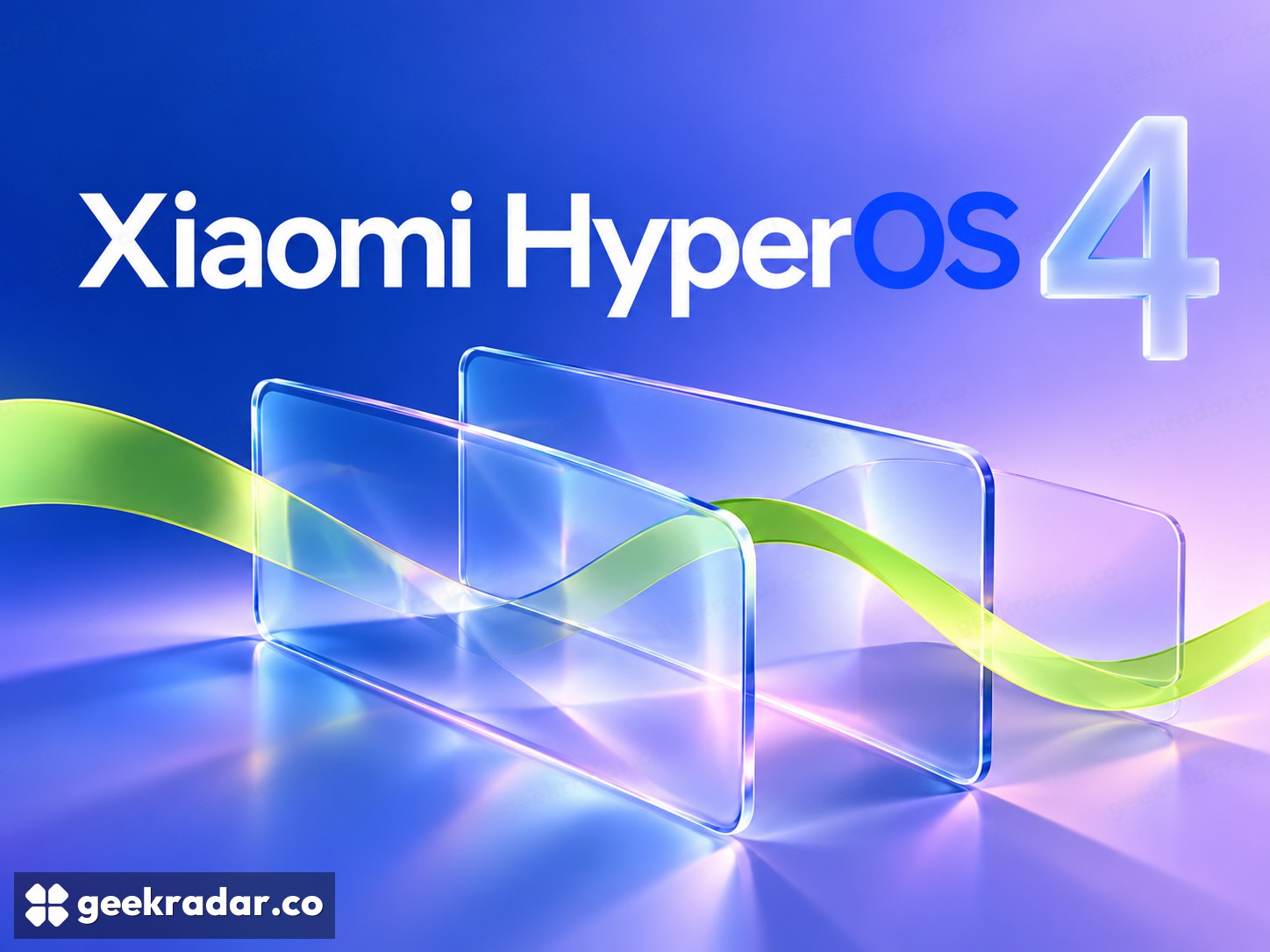
Xiaomi’s Chinese HyperOS 4 presentation describes a substantial visual refresh and changes to memory management, system responsiveness and its assistant. Its footnotes explicitly limit the presentation to mainland China and make individual features dependent on hardware and software versions. Meanwhile, the Italian HyperOS page still presents HyperOS 3. That mismatch is a reason to check regional evidence, not proof that Italy has been excluded.
The feature list has a hardware filter
The most visible change is a glass-like visual treatment, with lighting effects, adjustable lock-screen elements and more flexible arrangements of folders and widgets. Xiaomi’s demonstration makes the interface look more responsive to movement and surrounding color. It also says some demonstrations have been edited or speed-adjusted, so promotional motion is not a frame-time measurement.
More consequentially, the company restricts the full glass treatment to specified classes of flagship chips. A handset being eligible for HyperOS 4 therefore does not establish that it will receive every visual effect shown on the launch page. This is a familiar distinction with a practical consequence: two phones can display the same major software number while offering different interfaces.
The same caution applies to assistant features. Language support, companion applications and regional services can determine whether a feature works at all. A translated marketing label cannot establish Italian-language availability. Nor should performance improvements measured by Xiaomi on one flagship be generalized to an older Redmi or POCO with different memory and storage.
China, global beta and an Italian release are separate
Xiaomi’s investor update records the launch of the HyperOS 4 beta in August 2026. The Chinese product page also retains a beta schedule. Neither document should be relabeled as a stable Italian delivery calendar simply because its model names look familiar.
For an Italian buyer, there are two different decisions here. Someone choosing a new phone needs the support commitment and features of the version sold locally. Someone already using a Xiaomi phone needs the update offered to their existing installation. Importing a handset intended for another market does not make those two cases equivalent.
Before acting on a rollout story, note the exact model and installed software version, then compare them with the regional announcement and the phone’s built-in updater. Treat a beta application as a testing programme rather than an ordinary upgrade. There is no need to infer a fault from a neighboring country or another owner receiving a notification first.
What Italy can reasonably expect
As checked on 19 October, the sources above do not establish a complete stable-release timetable for Italian devices. That leaves timing unresolved; it does not establish either arrival or cancellation. The Xiaomi archive will also need to keep hardware launches separate from software availability.
HyperOS 4’s more flexible interface is worth understanding now. Installing it is a different decision. The meaningful milestone is the moment the correct build reaches your phone with the features you can actually use, not the moment a list circulating online acquires your model’s name.