Temu agrees to show European shoppers what a discount is measured against
The EU and EEA commitments reach beyond price tags. They cover games that block entry, stock warnings, review reporting and the button that places a paid order.
A crossed-out price on Temu should tell European shoppers whether the seller actually cut its price or is comparing the item with another figure. On November 26, consumer authorities announced that the marketplace had agreed to distinguish those claims across the EU and European Economic Area. The Irish regulator that co-led the action says Temu has already changed parts of its app and website. The authorities will monitor compliance, including whether the same sales tactics reappear in a different form.
The commitment reaches back to the first tap. Temu agreed to let people enter the marketplace without playing a promotional game, and to remove pressure messages about dwindling stock from its main page and product listings. These two changes address different moments in a purchase. A compulsory spin can get someone invested in a reward before they know what they want. A scarcity warning can cut short the comparison they came to make.
Two percentages for the same €24 purchase
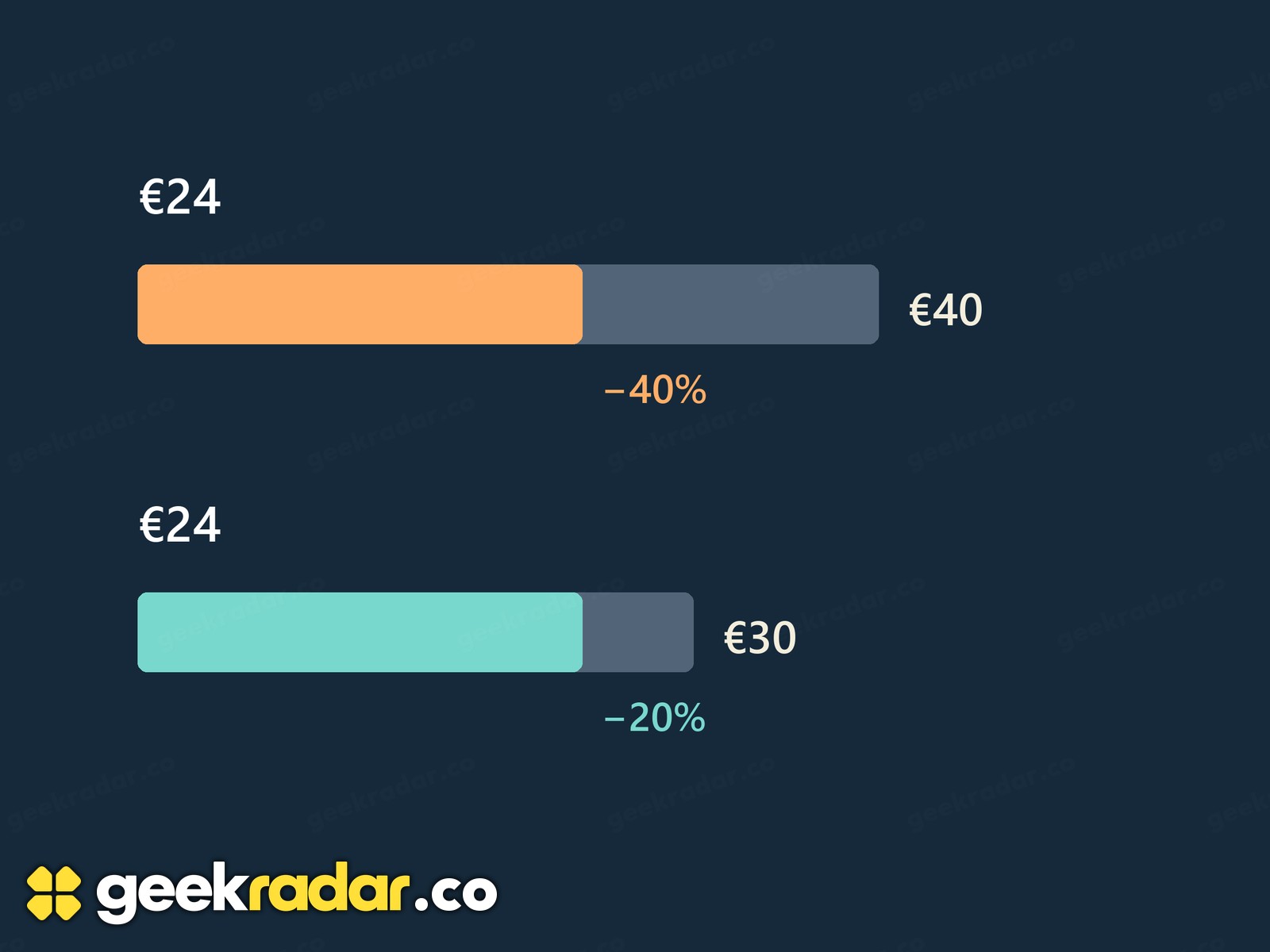
Imagine a seller offers an item for €24. Against a €40 suggested price, that looks like a 40% saving. Suppose the seller’s lowest price in the previous 30 days was €30. The reduction against that price is €6, or 20%. The amount leaving the buyer’s account is the same either way. Only the second calculation says how much cheaper the item has become relative to that shop’s recent low. GeekRadar’s guide to the EU reference-price rule explains why yesterday’s price can also give the wrong impression.
A review needs a way to challenge it
A star rating gives the appearance of independent evidence on the same screen where a merchant makes its pitch. Under the commitments, Temu will use a detector for fake reviews and give shoppers an accessible way to report one. Those mechanisms serve different purposes. A buyer can spot a review describing an entirely different item even when the text reads like a plausible account of a purchase. A reporting button gives that observation somewhere to go. It does not establish that every review left on the page is genuine.
The Commission’s separate October action under the Digital Services Act concerned the risk of illegal goods reaching buyers. November’s commitments address how people are persuaded to order. For someone shopping this Black Friday, the practical test comes before the parcel arrives. Can you dismiss the promotion, find out what the price is being compared with, and leave the basket long enough to check elsewhere?