The digital euro’s offline test comes down to the second payment
The ECB wants pilot users to spend money they received offline while both phones are still disconnected. Loading the first five euros is a different matter.
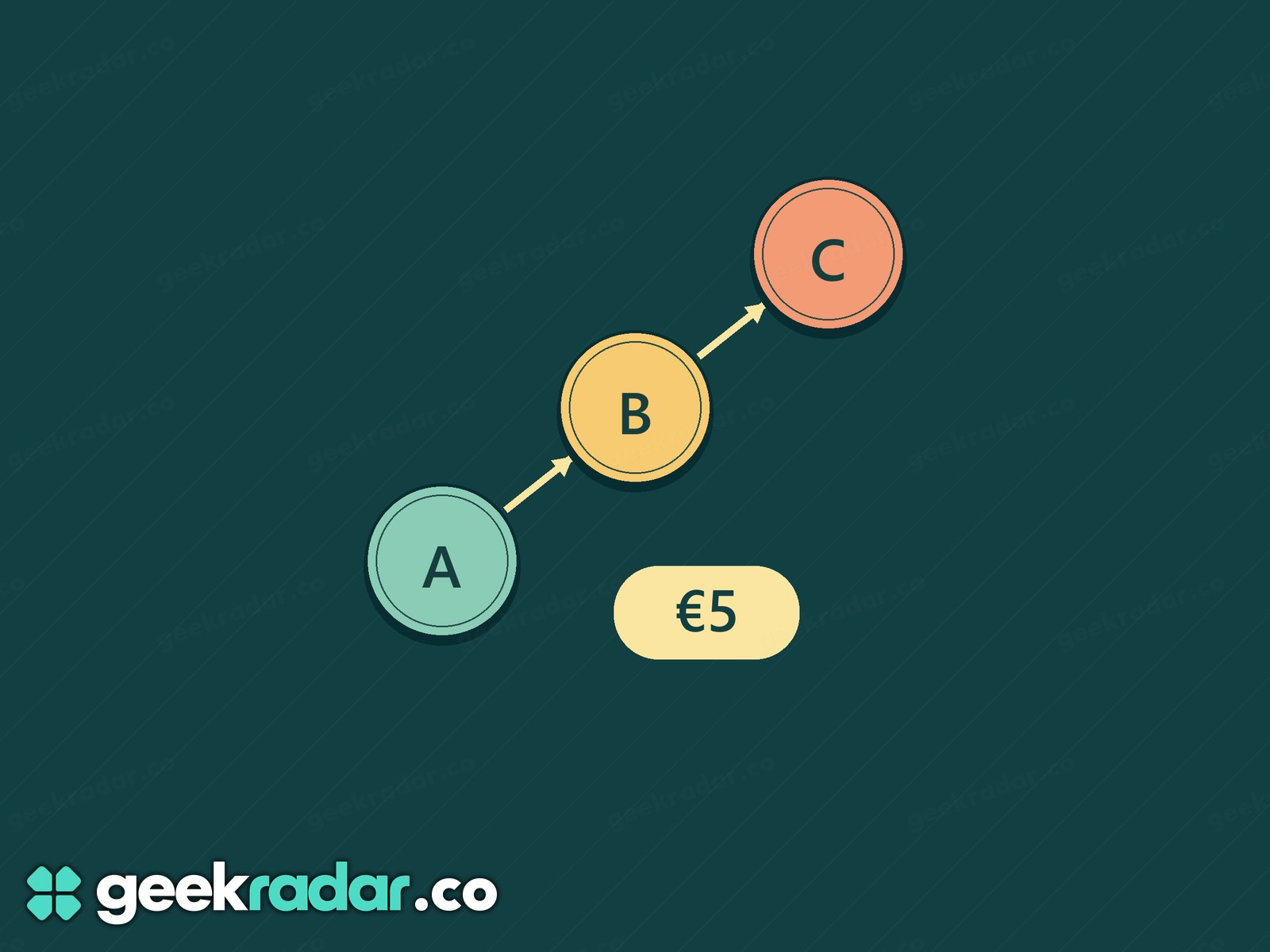
Two people meet where neither phone has a data connection. One owes the other five euros. In the European Central Bank’s planned digital euro pilot, they could settle up by bringing their phones together. The revealing part comes a few minutes later: the person who received the five euros could spend them with a third participant before any of the three phones gets back online.
That is one of the capabilities at stake as euro-area leaders push to finish the legislation. Their November 26 summit statement reaffirmed the goal of reaching agreement by the end of 2026. The deadline concerns the law. The ECB’s separate, year-long pilot is due to begin in the second half of 2027 with selected participants. Thursday’s statement gave the public no date to download a wallet or start paying.
The five euros have to be there first
The first person in that example must already have loaded funds onto an eligible device. An ordinary bank balance of €100 would be little help if the phone’s offline balance stood at zero. Loading the device involves a payment provider and the Eurosystem’s infrastructure. Once the money is on the device, the next transfer can take place locally. The ECB specifies near-field communication, or NFC, the short-range radio familiar from contactless cards.
What matters is where the balance changes. Many experiences can fit behind the word “wallet”, including a phone app that holds passes but cannot make a contactless payment. Here, the ECB’s technical description puts the offline transaction inside a protected hardware component on each participating phone. The payer’s balance falls, the recipient’s rises, and the payment settles there and then. Simply putting a €5 graphic on a screen could never tell the recipient whether the sender still had the same five euros to spend.

What the pilot would put to the test
Consider the second payment again. If the recipient first had to reconnect to obtain permission to use those funds, an outage would stop the money after a single hop. The ECB’s design explicitly allows it to travel further offline. A connection becomes necessary again when someone wants to move the money back into a commercial bank account. That boundary gives the technology a narrower, more testable purpose than a promise that everything in a banking app will work without reception.
The ECB lists 36 payment service providers for the trial. Staff from participating central banks will try the beta alongside selected merchants. The documented offline scenario is a transfer between people in close proximity. Shops and online purchases feature elsewhere in the pilot, so a successful exchange between two phones would tell us little on its own about a merchant checkout.
For someone caught without a signal, the interesting question is what the next person can do with the money. A receipt can wait to sync. Five euros that can pay a second person immediately are already doing the work of cash.