How to study animals in GTA VI, and why 100 entries are enough
The wildlife journal has 255 entries. Learn which button records a sighting, where to check your progress and why a different dog breed can be worth stopping for.
A bird on a fence post can advance your save in Grand Theft Auto VI. Select the binoculars from the weapon wheel, bring the bird into view and press up on the D-pad to zoom. When the study prompt appears, hold R1 on PS5 or RB on Xbox Series X|S until the indicator fills. You can check the result in the pause menu under Progress → Animals. PowerPyx’s illustrated controls guide and Steven Mills’s launch-day guide document the inputs and tracker.
That fence post is a useful place to start. During a demonstration at Rockstar North, a reporter asked about a gull. Looking at it through Jason’s binoculars added it to the wildlife log. You can do the same with a bird that happens to land nearby, without knowing its name beforehand or having a particular mission active.
What counts toward the hundred
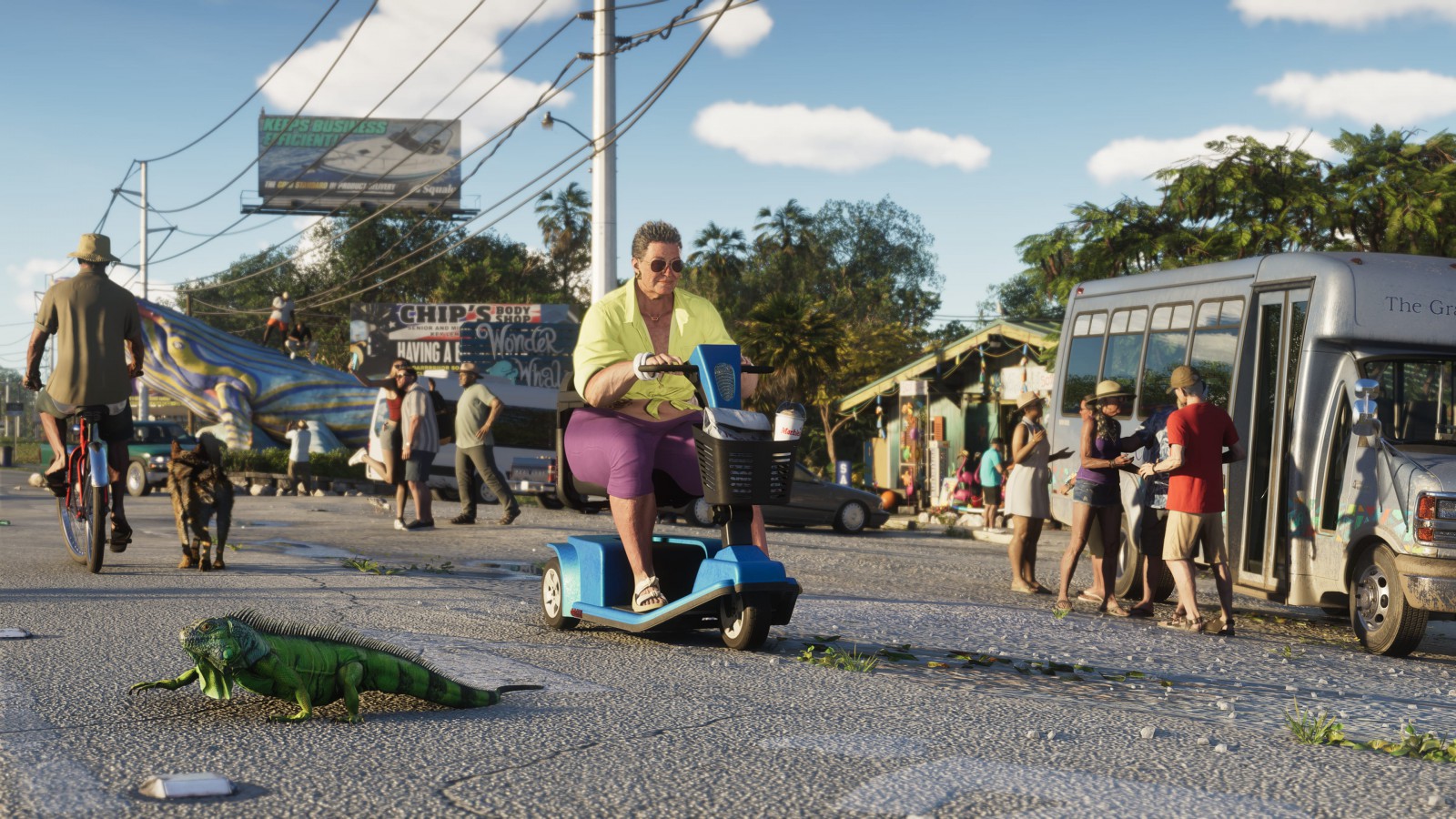
The animal requirement on the overall completion checklist is 100 different entries from a tracker of 255. A second sighting of a bird you have already identified won't add a different entry. A different breed of dog or cat can. That makes a residential street a surprisingly productive stop for someone who has spent an afternoon looking almost exclusively at wading birds.
Three numbers have circulated around this feature. Before launch, Rockstar discussed more than 170 species across Leonida. The retail tracker has room for 255 entries, counting distinctions such as breeds within a species. A player pursuing overall completion needs 100 of those entries for this part of the checklist. Each number answers a different question. Finding number 100 finishes the animal-study requirement, with 155 slots still available to anyone who enjoys filling in the journal.
A wildlife route can start in town
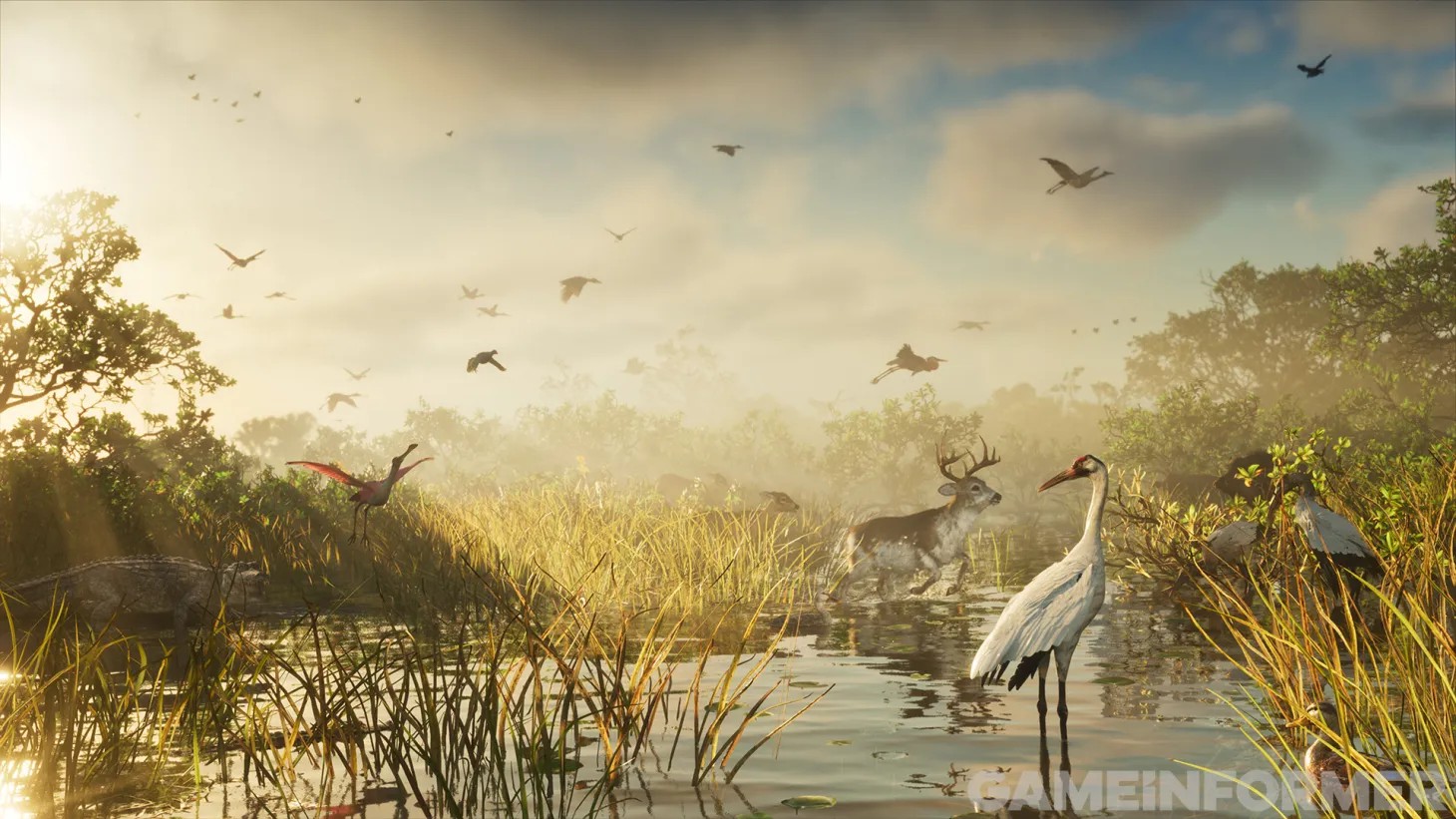
The practical advantage of binoculars is distance. You can study a bird from the bank while it is standing in shallow water. If you want a portrait as well, finish the observation while you have the chance, then open Photo Studio to work on framing and focus. The journal gives you a way to check the identification even if the photograph you wanted gets away.
A change of scenery is usually a better response to familiar entries than another lap of the same pond. A neighbourhood gives you pets to look at, wetlands offer wading birds, and the countryside brings different animals into view. None of those stops requires you to shoot the animal to record an observation. For the hundredth entry, a dog you pass on the way back into town can do just as much for your save as the bird you crossed the marsh to find.