I Play Rocky goes wide after an opening weekend in just seven theaters
The Stallone drama reached more cinemas, earned more money and saw its average take per theater fall. Its first two weekends explain how all three can be true.
Seven North American theaters shared I Play Rocky on its first weekend. Two weeks later, moviegoers can find it in more than 2,400. Amazon MGM’s drama about Sylvester Stallone trying to get the lead in his own screenplay went wide on November 20, a day before the original Rocky turned 50. The studio projects $9.3 million for the expansion weekend, according to Saturday’s box-office report from The Numbers. The more revealing figures come from the two weekends already counted: total ticket revenue rose while the average take at each theater fell by almost two-thirds.
The part Stallone wanted to keep
The film’s title is a casting demand. In Peter Farrelly’s drama, young Stallone has a script that interests producers and one condition that makes it harder to sell: he wants to play Rocky Balboa himself. Anthony Ippolito takes the role of Stallone, a neat predicament for an actor being asked to play someone the audience already knows on sight. Peter Gamble wrote the screenplay. Amazon MGM’s cast and release guide positions it as a theatrical biographical drama. Someone looking for the 1976 film on a streaming service is looking for a different movie.
The anniversary gives the release an unusual advantage. A movie about making a movie ordinarily has to establish why anyone cared whether the script got filmed. Here even the casting dispute makes sense to someone who has only seen a Rocky poster. Picture another actor’s face there, and you have the stakes of the negotiation without learning a single scene from Farrelly’s film.
What happened between seven theaters and 29
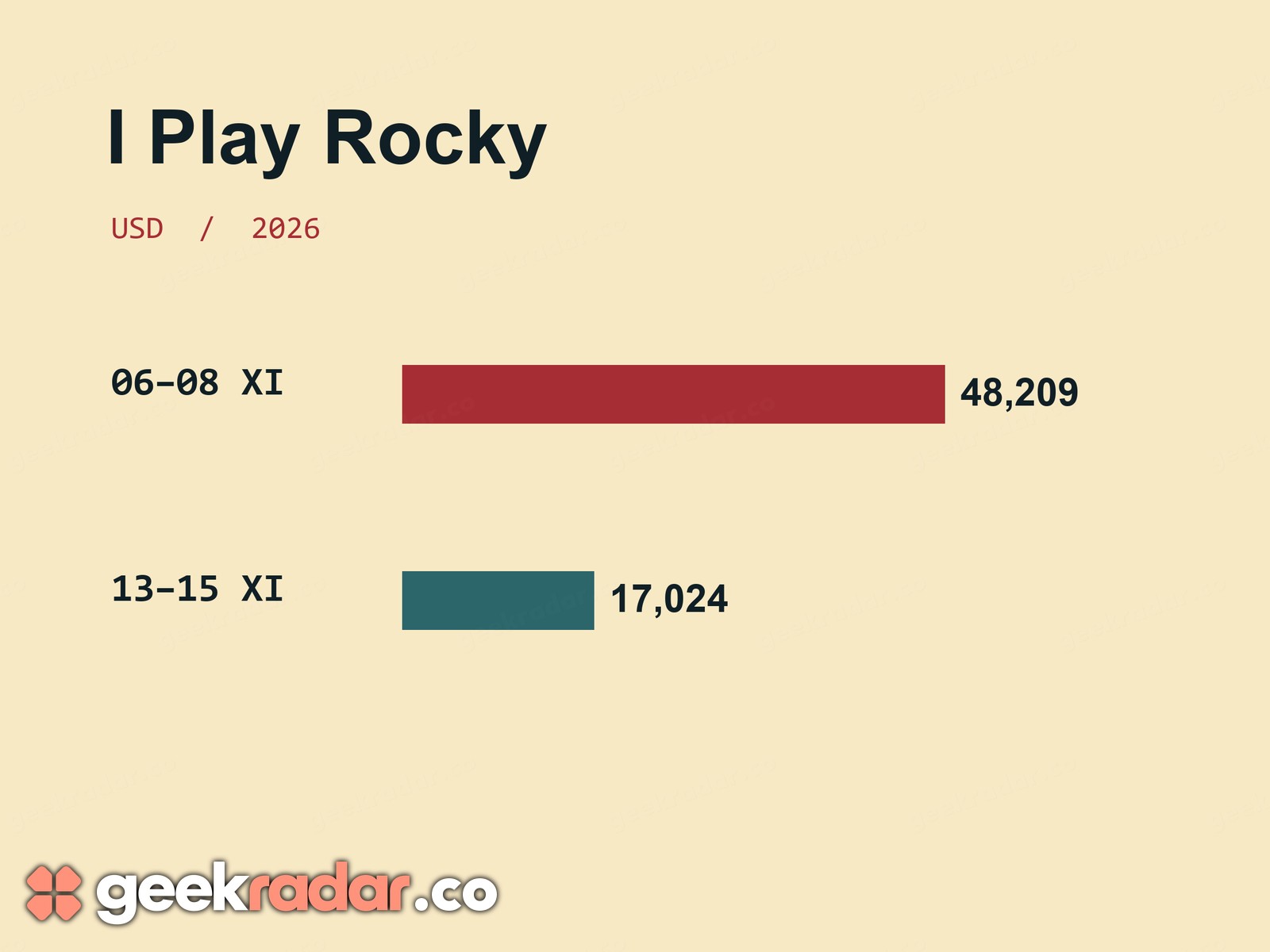
The completed weekend figures tell two stories at once. From November 6 to 8, seven theaters took in $337,465, or roughly $48,209 per location. The following weekend, 29 theaters brought in $493,707. Gross receipts climbed about 46%. Divide by the larger theater count and the average fell to $17,024.
Neither figure tells us whether the original seven theaters lost business. The published total combines them with the new locations. It also measures ticket revenue, without breaking out admissions, ticket prices, seat counts or how many screenings each venue offered. For a film rolling out in stages, the average changes because the set of theaters changes. Multiplying that first weekend’s $48,209 by the number of venues now playing the film would assume that the audience concentrated around seven early bookings could be found at every subsequent one.
That distinction matters on a weekend shared with The Hunger Games and its sizable preview audience. One film drew fans to early screenings ahead of a wide opening. The other spent two weekends playing regular engagements before many viewers had a nearby screening to choose. Both can generate an opening-weekend headline on the same Sunday, even though the phrase describes different stages of their runs. TheWrap’s Saturday report
For the person buying a ticket, the most consequential number this weekend might still be seven. A fortnight ago, seeing Ippolito play Stallone meant being within reach of one of those seven theaters. A smaller average at each box office can be the first sign that a film has finally come within reach of yours.