Google Wallet reaches US iPhones with passes and purchases, but no tap-to-pay
The new iOS app brings Google-linked tickets, receipts and online payment cards together. Its launch leaves contactless payments and wider regional availability separate.
Google Wallet is available on iPhone in the United States, giving people who use Google services a dedicated place for tickets, delivery updates, receipts and payment cards for online checkout. It does not support tap-to-pay on iOS. That limitation is central to understanding the launch: adding the app does not make it a replacement for the contactless wallet used at a shop terminal.
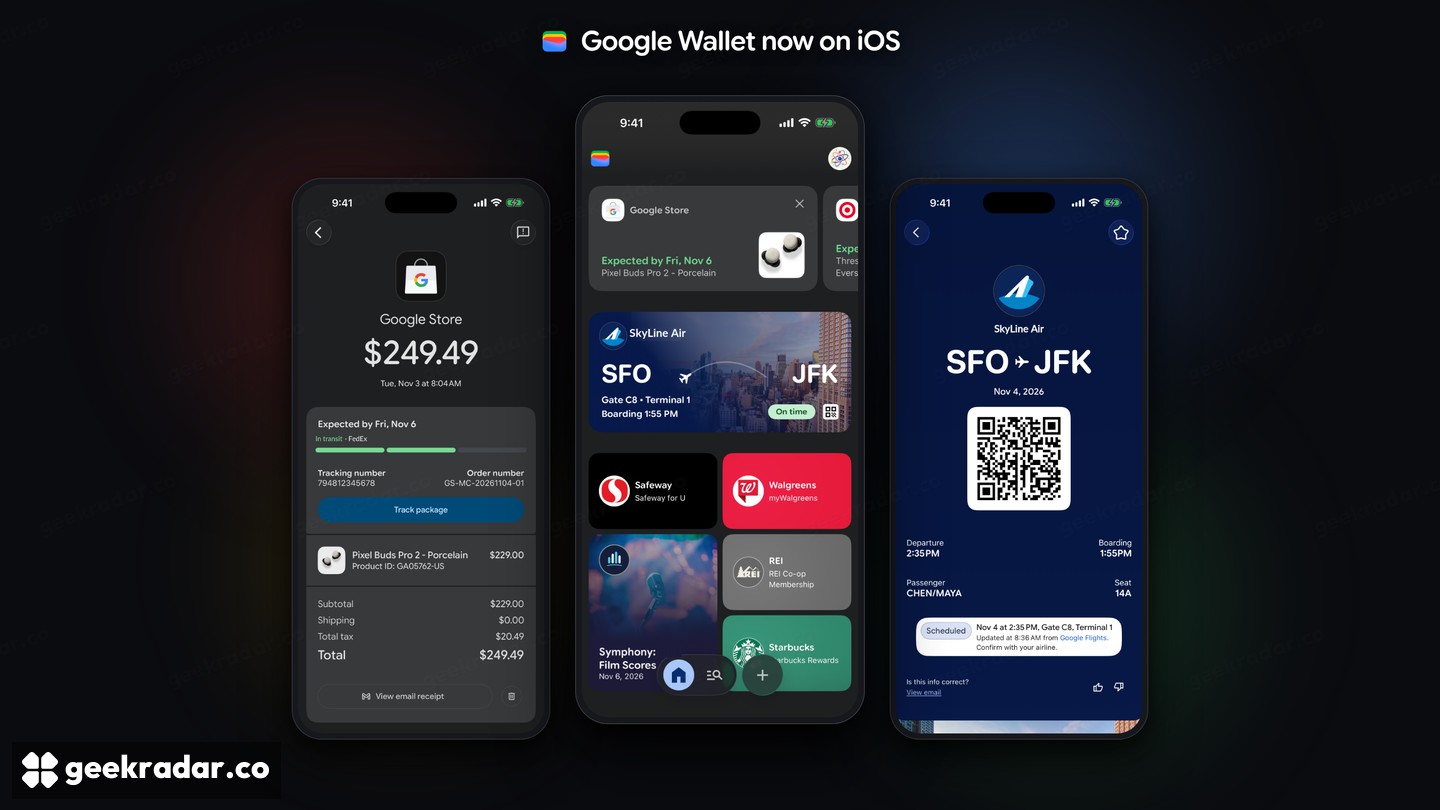
Google’s November 17 announcement puts organization at the centre of the new app. It can bring information together from Gmail and other Google services, digitize loyalty and gym membership cards with the camera, and manage cards used for Google Pay online. The company also positions Wallet as a place to keep track of purchases made through its AI agents. These are related jobs, but they do not all confer the same permissions.
The useful change happens after the email arrives
Consider a trip whose booking confirmation lands in Gmail, followed by a boarding pass, an event ticket and a receipt. The practical attraction is having those items available together when they are needed, instead of remembering which message contains which attachment. Google’s pitch is continuity across its services and devices: an iPhone owner can use that organization without changing phone platforms.
There are limits to treating a digital wallet as one interchangeable bucket. Google’s pass-management documentation says that availability varies by country, device and pass type. A saved loyalty card, an online payment method and a credential that opens a door do different work. The iOS launch announcement should not be read as confirmation that every feature supported elsewhere in Wallet has arrived on iPhone.
The distinction is also reflected in MacRumors’ report. The publication discusses Apple’s rules for third-party contactless services as a possible explanation for the missing feature. Google itself does not give a reason in its launch post, so an explanation involving fees or a commercial agreement should remain a hypothesis, not the account of a confirmed dispute.
A place for receipts is not an authorization to spend
Google describes Wallet as a hub for orders made by agents, with confirmations, receipts and delivery updates. The important part of that claim is visibility after a purchase. The announcement does not set out a new blanket authorization for an assistant to buy things, a spending limit or a replacement for the conditions of the service performing the transaction.
That is the same boundary worth keeping in mind when connecting financial information to Gemini: being able to organize or read information about money is distinct from being allowed to move it. A wallet can make an order easier to find without changing who approved it or which merchant is responsible for fulfilling it.
Automatic organization also merits a look at settings. Google’s pass documentation ties importing items from Gmail to its smart-feature controls and explains that some passes are associated with the Google Account across devices. The convenience comes from linking information that was previously scattered; users should understand which account supplies it and which controls govern that connection. This is a reason to review the setup, not evidence that the iOS launch creates a new category of data access beyond what Google documents.
For an iPhone owner in the announced market, the immediate decision is straightforward: will consolidating Google-linked purchases and passes remove a recurring nuisance? If so, the app has a defined role. At the checkout counter, however, its name promises more than this first iOS release does. The useful test is whether it gets the right ticket or receipt into your hand sooner, not whether another wallet icon appears on the home screen.