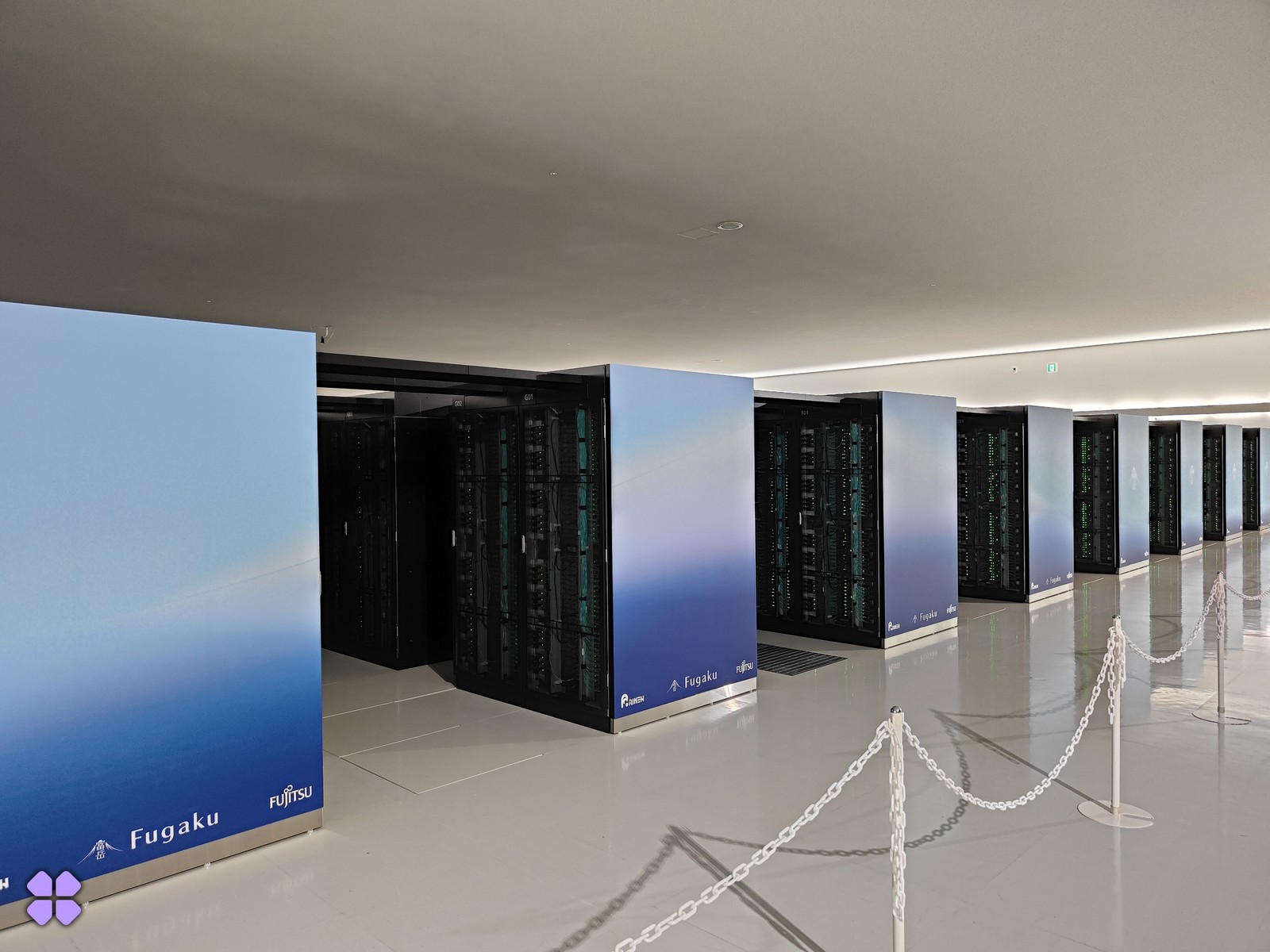
430 keys were stolen from Fugaku. Who can revoke them?
RIKEN has confirmed that credentials for other computing centres and cloud services left the Japanese supercomputer. Taking Fugaku offline only closed one route.
Taking Fugaku offline closed the door to Japan’s flagship supercomputer. It could do little about the keys some researchers had left there for use elsewhere. On November 20, RIKEN confirmed that intruders had copied 430 private keys from users’ files. Those keys were used to connect to systems outside the institute, including other computing facilities and cloud services. RIKEN is contacting the owners so they can have each key revoked where it was accepted. RIKEN’s second incident notice
That changes the question facing a lab that hears from RIKEN. Was a researcher’s access to Fugaku suspended? Yes. Does a different institution still recognize a credential that researcher kept on Fugaku? Only the institution running that service can settle the second question. Its answer matters even while the machine in Kobe is idle.
What the two counts measure
One number in the notice counts people. Investigators found traces of access to registration information covering 4,222 Fugaku users. The records included contact details, affiliation and the type of document supplied to verify identity. RIKEN has found no confirmation that copies of the identity documents themselves leaked. In its initial disclosure, the institute had also identified up to 375 users of its RIKYU system as potentially affected. Friday’s figure of 4,222 refers specifically to Fugaku.
The other number counts keys. A researcher can have several, and a single key can be trusted by more than one service. Dividing 430 by the number of registered users would therefore tell us little about how many people lost a key or how many outside services need attention. RIKEN has seen evidence of external connections involving some credentials. Its update establishes neither a tally of compromised destinations nor a further count of stolen research files.
Why a protected key still needs replacing
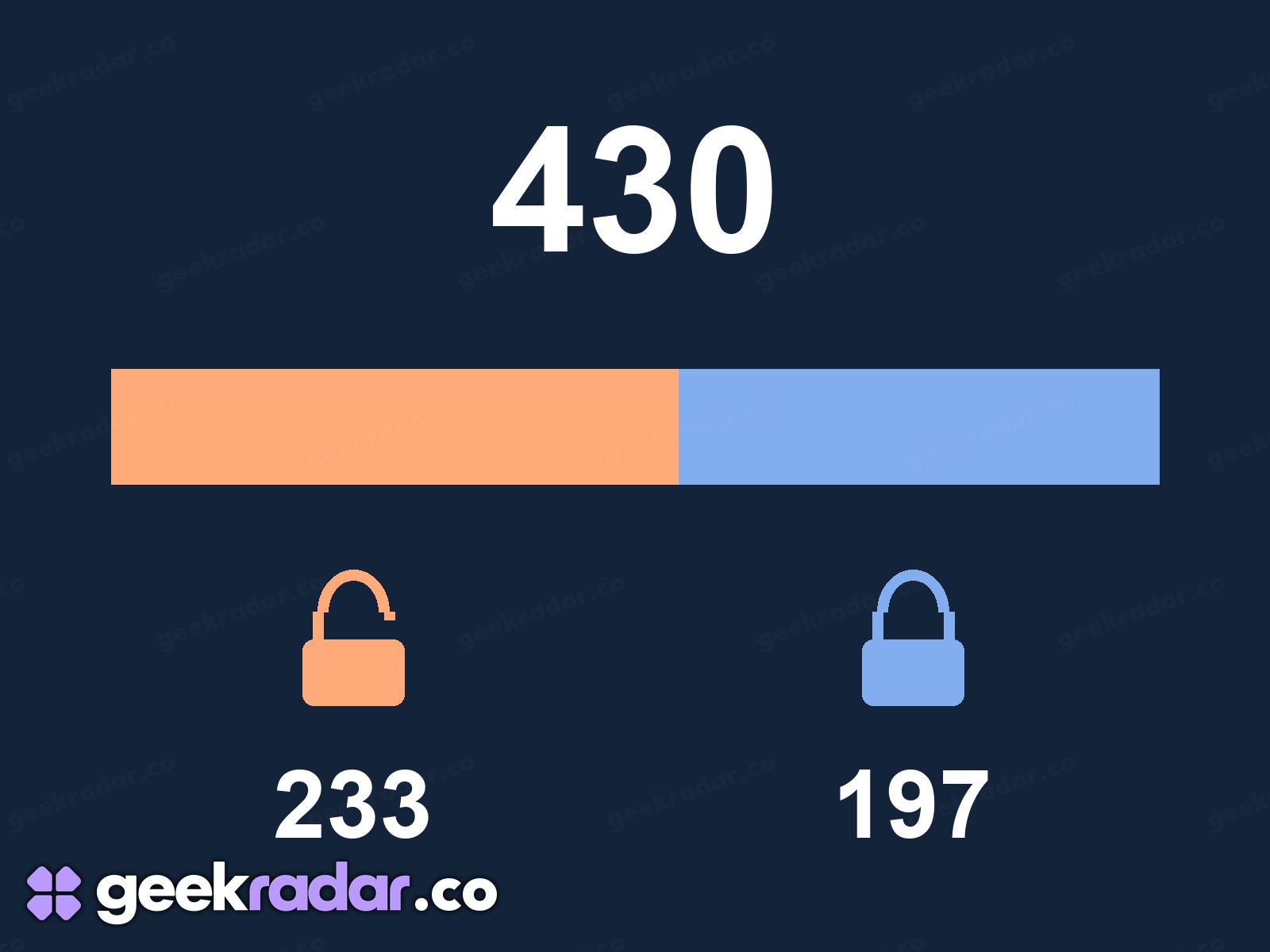
Of the 430 private keys, 233 had no passphrase and 197 had one. A passphrase protects the stored private key. The administrator at another computing centre makes a separate decision about whether to accept proof of identity from its holder. Changing the passphrase on your own copy after a theft cannot change the copy that has already left. That is why RIKEN’s recall covers both groups.
RIKEN stopped Fugaku on November 14 and subsequently invalidated users’ login keys. That protected the route into its own service. The external credentials travelled in the opposite direction. A similar distinction mattered in the GitHub WFX incidents, where cleaning up the original environment still left account owners with credentials to retire elsewhere.
For the restart, RIKEN says it intends to rebuild servers and separate public services from its administrative network. Its November 20 notice gives no date for resuming operations. When jobs do run again, researchers will have one visible sign of recovery. Closing the incident for a lab that stored an external key takes a different piece of evidence, from the service at the far end, confirming that the old key is no longer accepted.