Why GrapheneOS wants a bootloader you can lock again
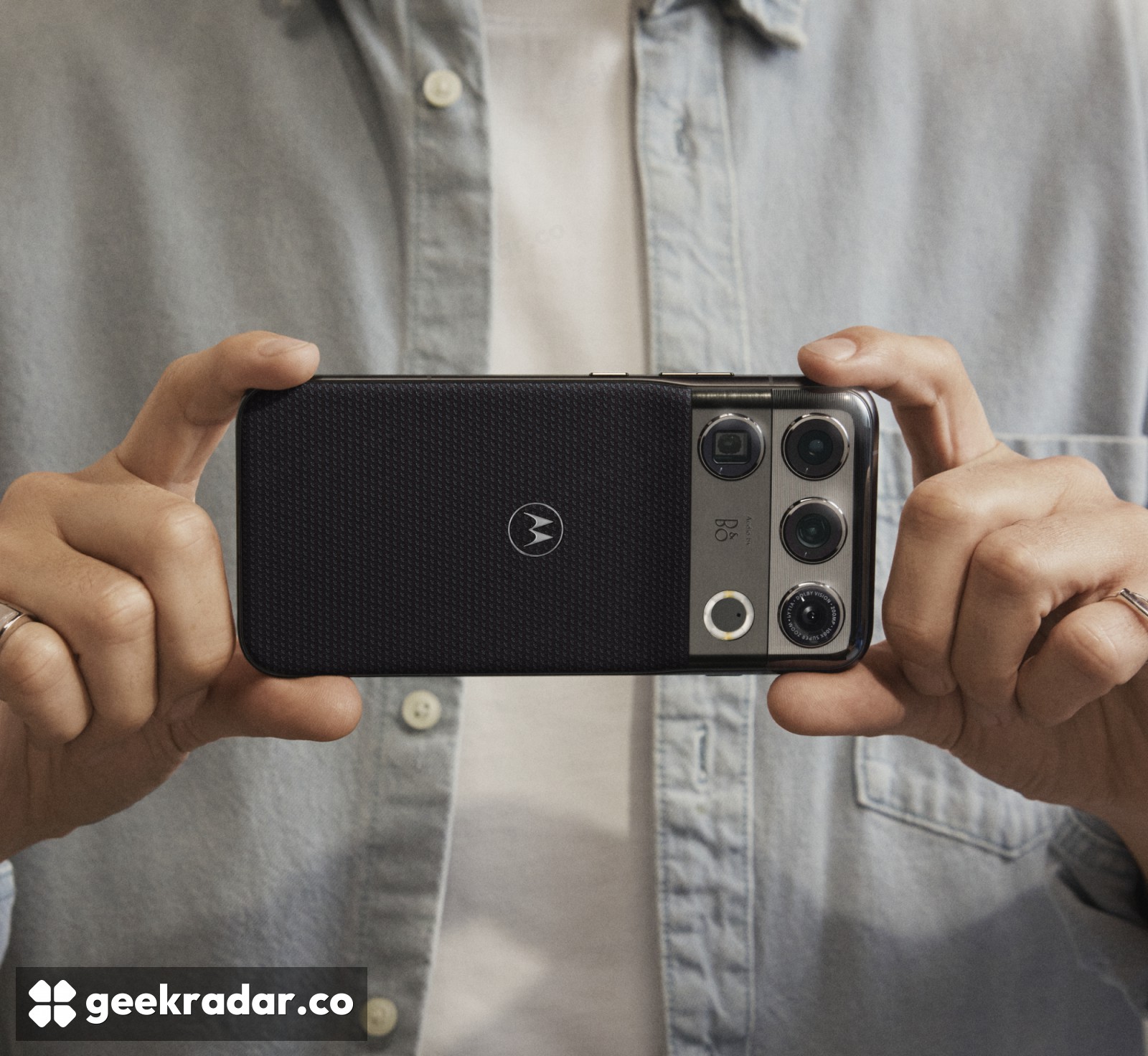
Motorola has pledged support for its Signature 27. Android’s yellow boot warning explains the security feature behind that promise, even before there is a public build for the phone.
GrapheneOS wants phone makers to let owners unlock the software that starts an Android phone. What it wants those owners to do afterwards is less obvious: lock it again. Both steps matter to the privacy-focused Android project, which said on November 19 that Google was pressing manufacturers to withhold support for GrapheneOS and bootloader unlocking. That is the project’s account of discussions with manufacturers. Android Authority sought comment from Google and Motorola and had published no response from either at the time of writing.
One manufacturer has made a commitment owners can check. Motorola named the Signature 27 as its first phone intended to support GrapheneOS. As of November 21, the handset had no entry on the project’s public releases page. A buyer can read the hardware announcement today. Someone who wants to run the system needs a build for that exact phone.
Who gets to sign the system on your phone?
Before Android can show a lock screen or ask for a PIN, the phone has already made a trust decision. Its bootloader, the small program that starts the operating system, checks the software it is about to load. On a locked device, the check uses a trusted cryptographic key to establish whether the software carries an accepted signature. If an altered system cannot pass the check, it cannot start through the normal verified path.
The interesting choice is whose signature counts. The Android Open Source Project’s specification allows a manufacturer to support a key selected by the owner alongside its own built-in key. On hardware that implements this option, the owner can choose another operating system and return the phone to a locked state. The next boot can still check that the installed software is what its publisher signed. Leaving the phone permanently unlocked gives up that enforcement.
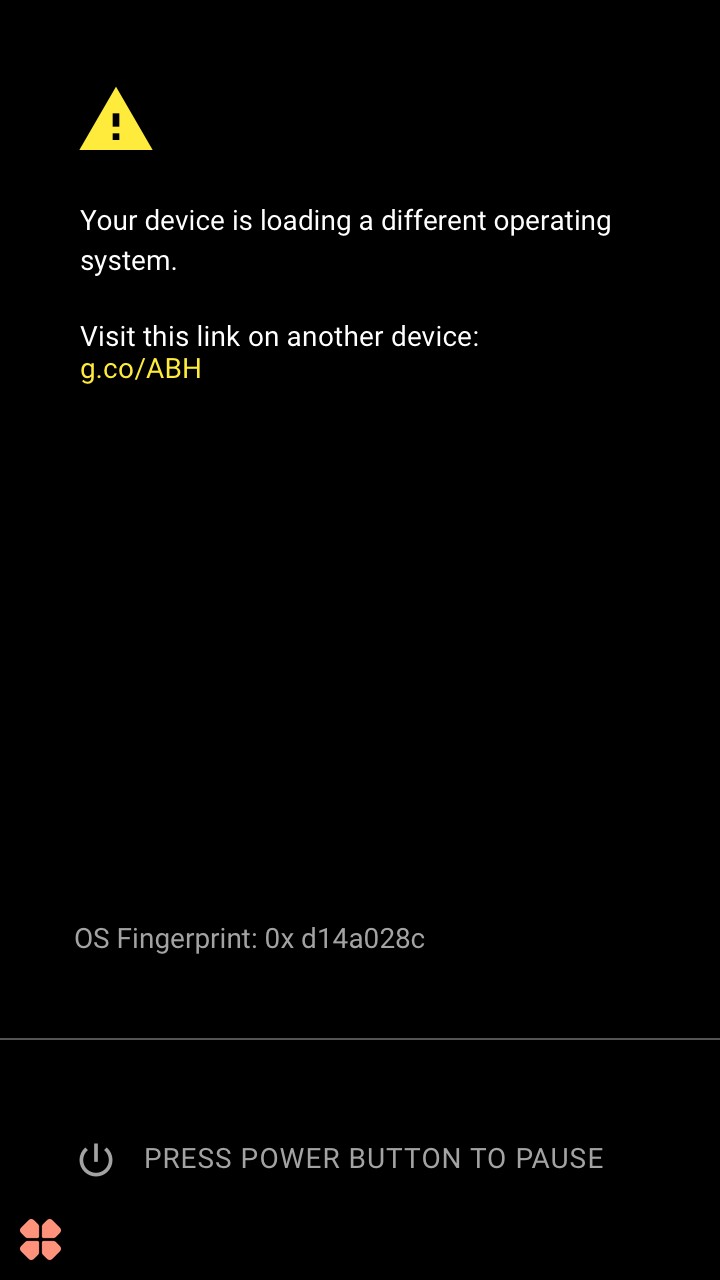
This distinction explains a seemingly alarming detail in Android’s guide to boot warnings. Its yellow example appears when a locked device starts software signed with a custom key. An orange warning describes an unlocked device. A notice that a different operating system is loading can be evidence that the phone knows precisely which key it used to check it.
What the Signature 27 promise buys today
Motorola points to hardware as well as software in explaining its choice of the Signature 27. It says this is its first phone with a performant implementation of Arm’s Memory Tagging Extension, a hardware facility for detecting certain memory errors. That addresses a different problem from checking the operating system’s signature. Verified Boot can authenticate the intended software without making every program inside it free of bugs.
The distinction between a published specification and a shipping configuration has already mattered for this phone, down to which battery the German model gets. Here the decisive evidence is simpler. Look for the model by name in the project’s release list. GrapheneOS separately predicts restrictions on future Pixels, but a prediction supplies neither a Google product decision nor a date. For anyone choosing a handset specifically to run GrapheneOS, an available, maintained release for the phone in hand carries more weight than either company’s next move.