Cambridge chose ‘human’ as its word of the year. A book’s copyright page shows why
An adjective in use since the 1400s now appears on books as a claim readers can check. A dispute over AI-assisted outlines shows where that claim gets difficult.
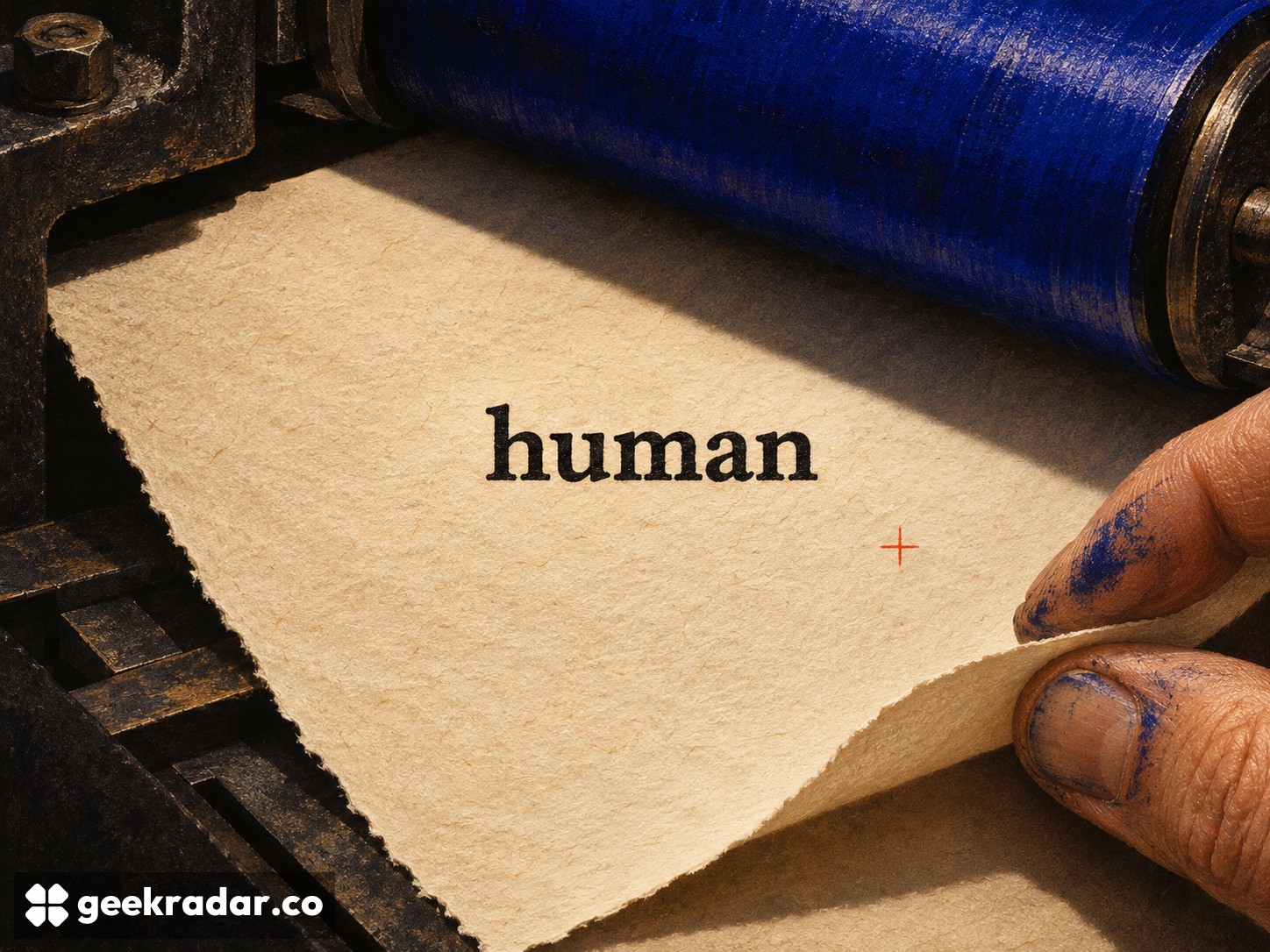
Cambridge Dictionary has chosen human as its word of the year for 2026. The adjective has been in English since the fifteenth century. What makes it timely is the new work it does in front of ordinary words. A publisher once had little reason to specify that a book had a human author. Now a reader can turn to the copyright page, look up a registration number and find out who is prepared to make that claim.
Cambridge’s definition includes people’s faults alongside their feelings and qualities. That small detail matters. When a reader asks for a human voice, the request might sound like a preference for warmth or a particular prose style. When the same reader asks whether a person wrote a book, even a perfectly convincing imitation leaves the question unanswered. One is a judgment about what the words sound like. The other has an answer somewhere outside the text.
How a familiar adjective earned its place
Three years ago Cambridge chose hallucinate, recognizing the sense the verb had acquired when applied to AI systems that produce false information. This year’s choice moves the attention to the person at the other end of the exchange. The Associated Press reports that agent and analogue were also contenders. Either could have named a side of the technological divide. Human lets Cambridge ask what people value on either side of it.
Consider an author working in a word processor. Few readers would change their opinion of a novel on learning that its author accepted a spelling correction. Discovering that software supplied the opening chapter raises quite a different question, even if every comma in the final version appears precisely where the novelist wanted it. Between those two cases lies a publishing dispute Cambridge cites as evidence for its choice.
What the mark on a book can tell you
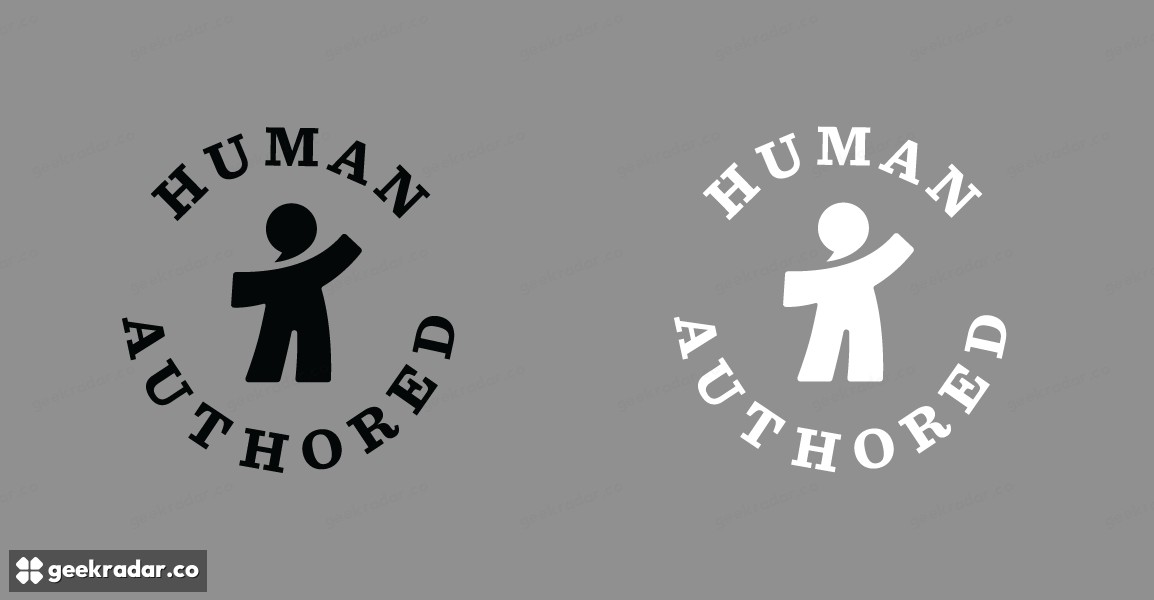
Under the US Authors Guild’s Human Authored scheme, writers verify their identity and register each title separately. They attest that people authored the text, with a small allowance for uses such as spelling and grammar checks. A reader can check a registration against the title and author in a public database. That makes a particular claim traceable to a person and a book. It gives readers a more useful lead than guessing from a fondness for long sentences.
The Guild had to sharpen its own language this year. Its terms originally mentioned AI-assisted brainstorming and outlining as permitted uses. After authors pointed out how much creative work a detailed outline could do, the Guild removed those examples in May. A similar concern runs through game workers’ proposals for the first draft. By the time someone gets to edit the final sentences, someone else may already have chosen the characters, the structure and the ending.
On a copyright page, human asks the reader to look past those sentences to the person who made the choices. That is a remarkably specific job for a word old enough to have been set in type for centuries.