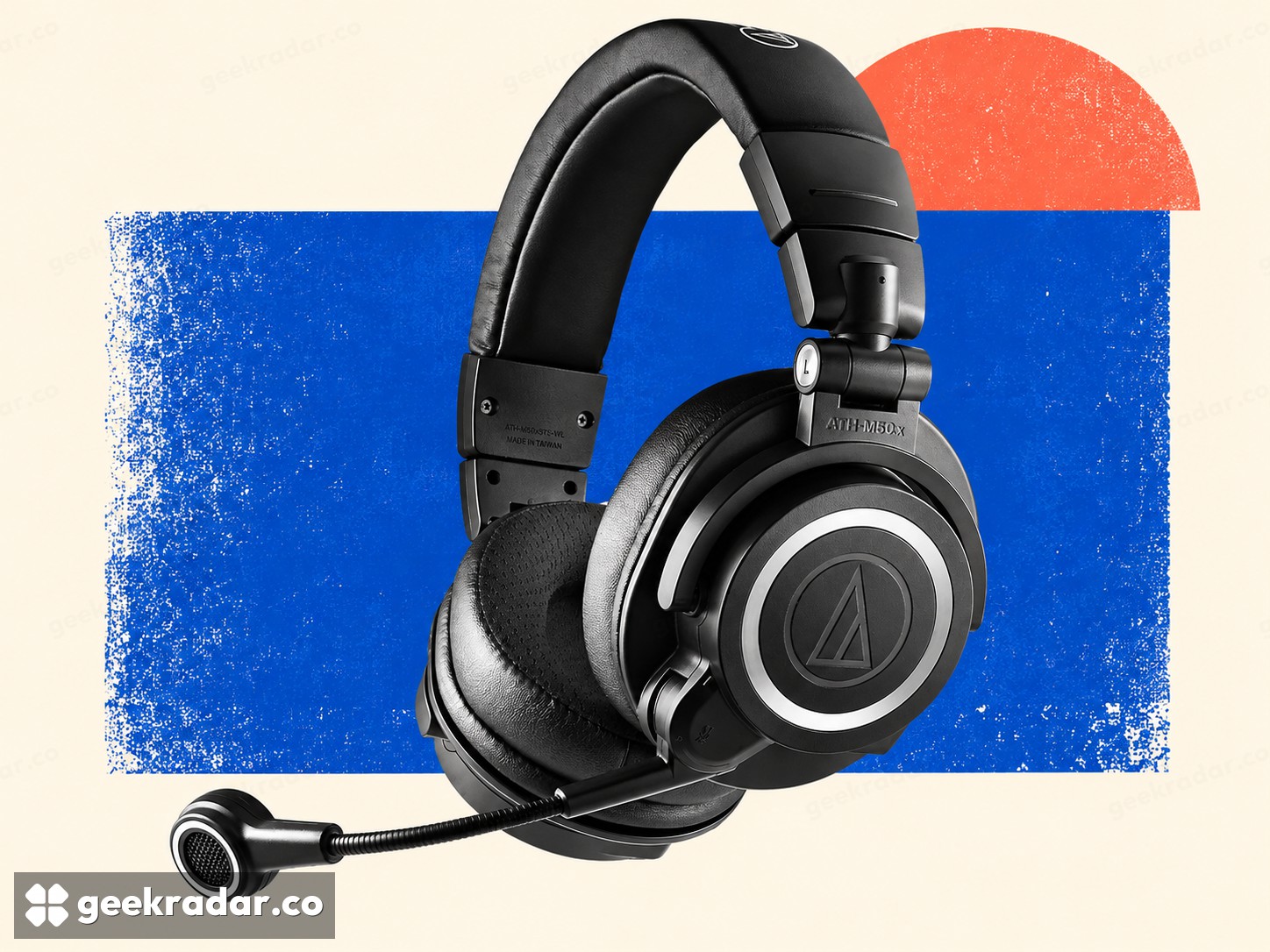
Audio-Technica’s wireless StreamSet keeps the microphone with the speaker
The ATH-M50xSTS-WL uses a USB radio link, a condenser boom mic and distinct controls for voice monitoring and noise reduction.
Audio-Technica’s ATH-M50xSTS-WL takes its StreamSet headset wireless while keeping the microphone attached to a flexible boom. The proposition is specific: a person streaming, recording commentary or speaking during a game can move away from the desk without leaving a separate microphone behind.
The US product page lists a $299 price and a 2.4GHz USB-transceiver connection. This is not a Bluetooth headset that simply pairs with any phone. The receiver, supported host and available USB connection are part of the purchase decision, especially if the headset will move between a computer and a console.
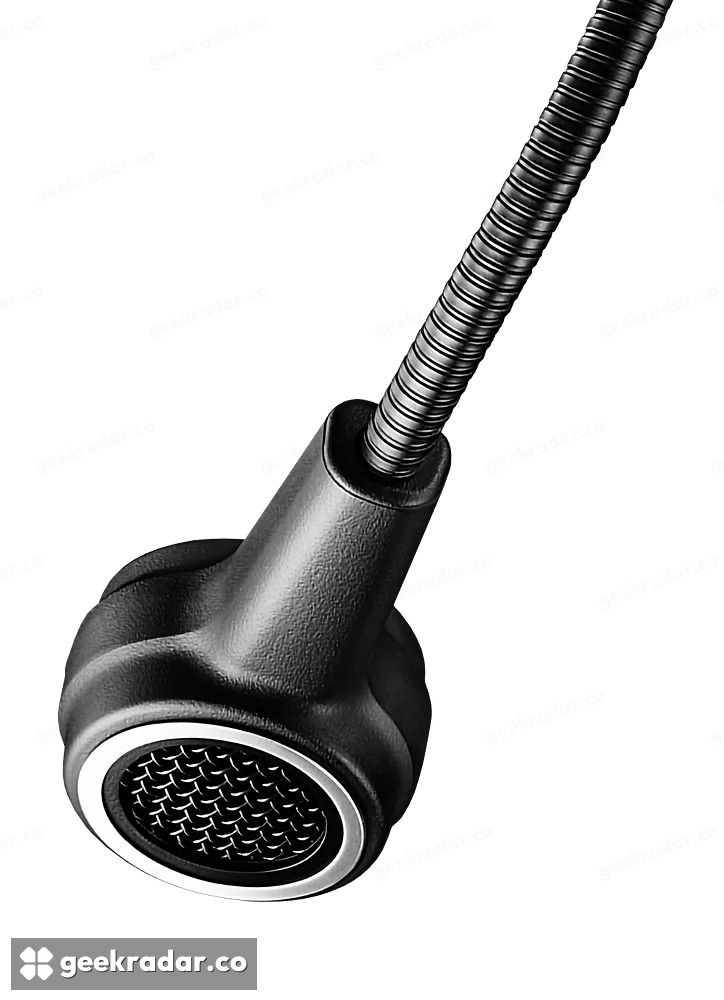
The microphone travels with the speaker
Audio-Technica uses a cardioid condenser microphone derived from its 20 Series, alongside the 45mm drivers associated with the M50x headphone family. The manufacturer’s studio-quality language is a claim, not an independent listening result. What the design establishes is the microphone’s location: close to the mouth, on an arm that follows the wearer.
That location can be useful when a presenter turns toward another screen. With a fixed desk microphone, changing position changes the distance and angle to the capsule. A headset keeps that relationship more consistent, although correct boom placement still matters. The practical benefit can be steadier positioning rather than a blanket guarantee of better sound than a separate microphone.
Flipping the boom upward mutes it. A sidetone function feeds the wearer’s own voice into the headphones, helping avoid the disconnected sensation of speaking through an isolating headset. These controls address communication as much as playback.
Noise reduction has a particular job
The switchable adaptive noise reduction is described as reducing ambient sounds such as computer fans and air conditioners in the microphone signal. It should not be mistaken for active noise cancellation that quietens the room for the listener. Those functions work on different signals and solve different problems.
Two included earpad sets offer a further choice between the standard M50x-style fit and breathable mesh. Pad material and seal can change the experience over a long session, so the alternative is useful even without treating either option as universally more comfortable. Audio-Technica lists approximately 365g without the cable.
Wireless needs a fallback
The stated battery life is up to 24 hours, with approximately 3.5 hours for charging. These are manufacturer specifications, not measured endurance from a streaming session. USB wired audio operation is also supported, providing a way to continue when a battery-powered setup is inconvenient.
The published operating-system list names Windows 11 and macOS Sequoia and Tahoe. Broad references to gaming consoles should not be taken as proof that every console’s USB-audio policy is supported; the intended machine needs its own compatibility check. The listing also does not supply an independent end-to-end latency measurement.
The StreamSet’s strongest argument is a coherent working arrangement: sound, a close microphone and physical mute control remain together when the wearer moves. Whether that is worth replacing an existing setup depends less on the word “wireless” than on how often a fixed cable or microphone position interrupts the session.