Sword of the Sea reaches Switch 2 with movement at the centre of the landscape
The Hoversword adventure launches on Nintendo’s console on October 29. Listed features should not be mistaken for a measured performance review.
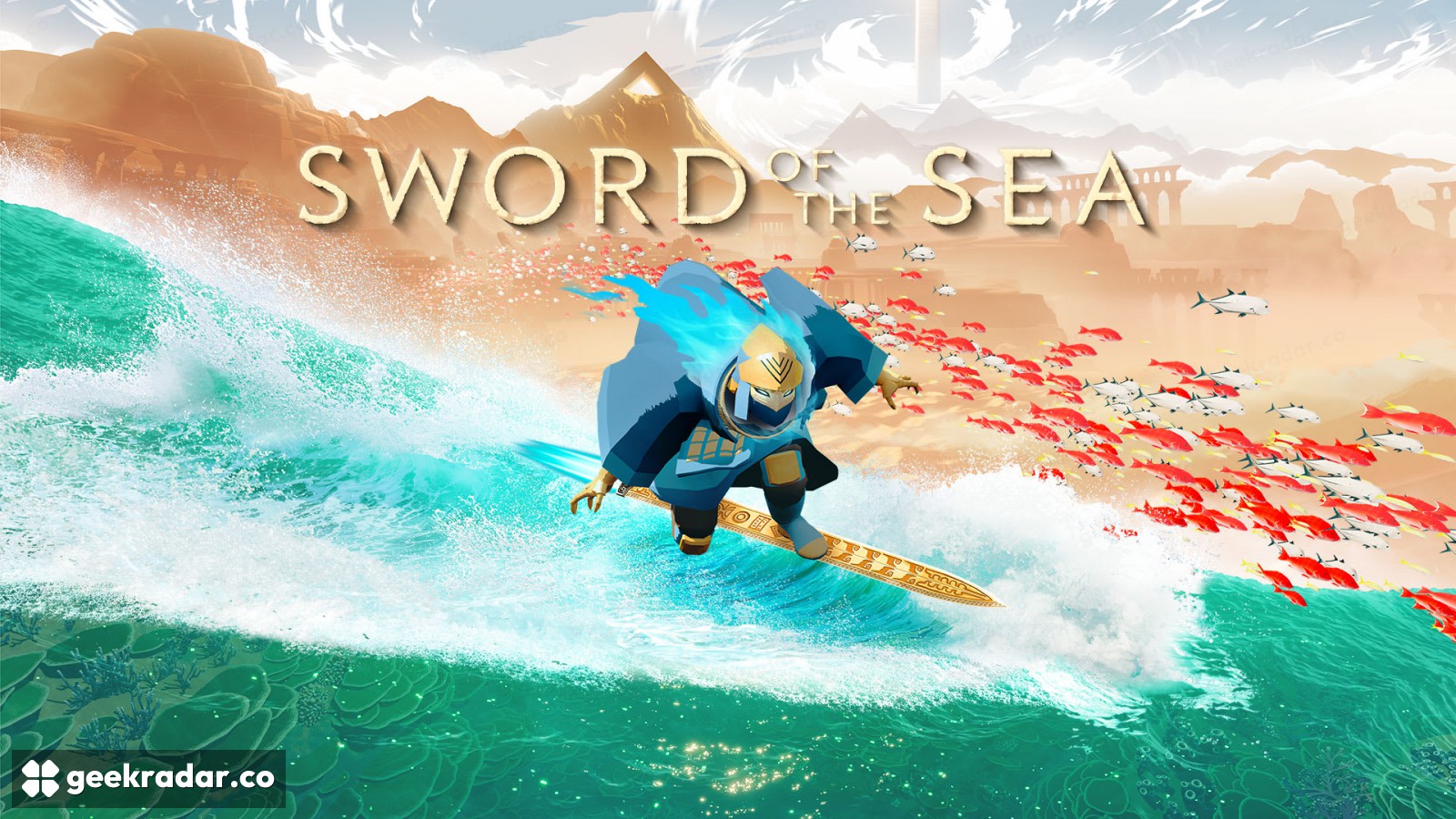
Sword of the Sea reaches Nintendo Switch 2 on October 29 with a movement system that makes the landscape part of the ride. The Hoversword is both the player’s means of travel and the connection between surfing, skating and snowboarding influences. This is the game’s Switch 2 arrival, rather than its first release on any platform.
The Nintendo listing identifies Giant Squid as developer and Fictions as publisher. It is a single-player adventure with art direction associated with Matt Nava and music by Austin Wintory. Those names establish the creative team, but they should not be treated as a substitute for assessing this particular version’s performance.
The ground becomes something to read
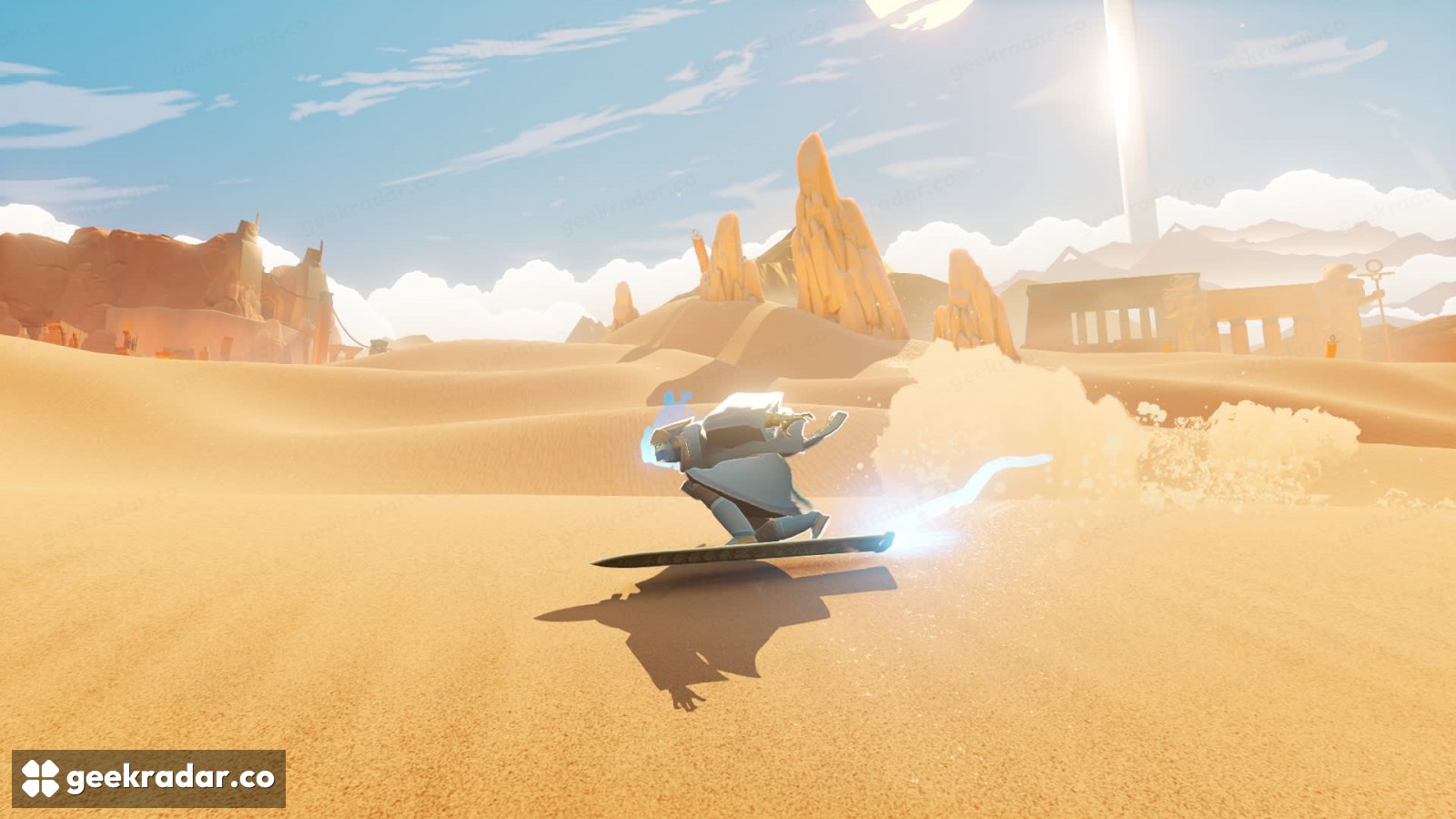
The premise places the player in a world of dunes and other flowing terrain, travelling on the Hoversword and helping restore life to the environment. The useful mechanical idea is momentum: the shape of a slope or a curved surface matters because movement continues through it. A route is not simply a corridor between two points of interest.
That makes screenshots more informative when they show the terrain and the rider together. The scale and curvature of a dune explain something about the intended traversal, even though a still image cannot establish responsiveness or frame pacing. The visual presentation supports the movement concept; it does not provide a performance test.
The game’s initial premise is enough to explain why the world changes around the player. There is no need to reveal later locations or narrative outcomes to understand the appeal of moving through an environment that responds to progress. This remains a release guide, not a claim of having completed or tested the port.
Features are separate from measured performance
Nintendo lists cloud-save support through Nintendo Switch Online. That concerns backup access under the subscription’s conditions, not an online multiplayer mode. A one-player game can use an online service without becoming a cooperative game.
HDR is similarly a capability rather than a universal improvement visible in every setup. The actual display and its configuration determine whether that output can be used. The store page does not establish an independently measured frame rate, so a performance number should not be inferred from the artwork or the platform name.
Within the games coverage, Sword of the Sea is distinctive because locomotion carries much of the proposition. Its Switch 2 release gives another audience access to that design. The reason to look closely is the relationship between board and terrain: a dune stops being a background object and becomes the next movement the player wants to make.