Plants beneath the Barnes Ice Cap expose a climate reversal measured in centuries
Dating preserved vegetation helps reconstruct two millennia of ice expansion and its retreat. The finding does not make warming a benefit.
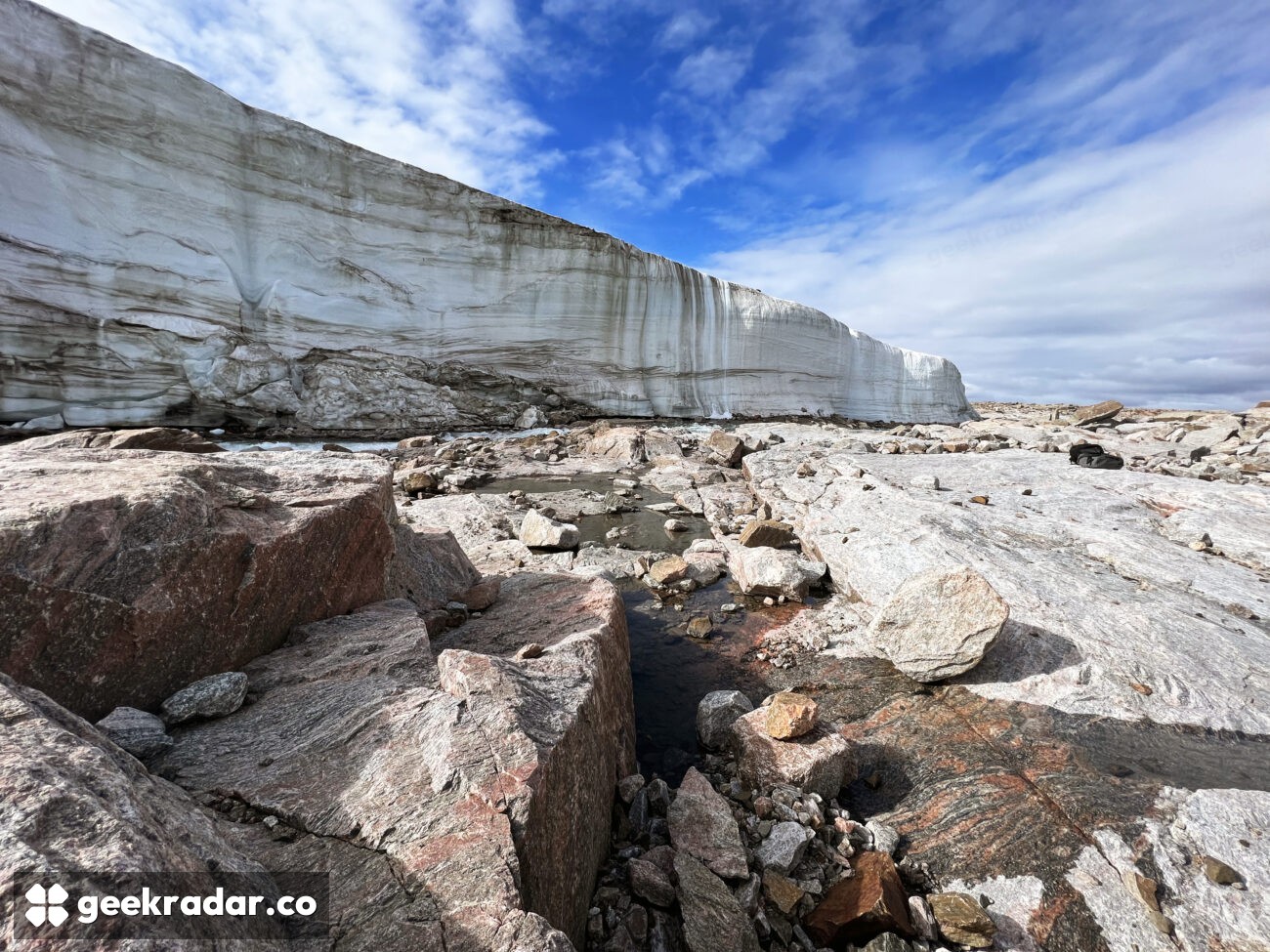
Plants emerging from the edge of Canada's Barnes Ice Cap are recording a reversal: ice that had expanded for roughly two millennia began retreating as twentieth-century warming changed its balance. A new study connects those preserved remains with the history of the Laurentide Ice Sheet's last remnant. The finding concerns the beginning and interruption of a slow glacial process, not an ice age that would otherwise have arrived next winter.
The Columbia Climate School account describes research published in Science. The team used vegetation preserved beneath ice to reconstruct its past extent, combining evidence from Barnes with nearby ice caps. The interpretation distinguishes the first renewed growth of ice from the much later formation of continent-scale ice sheets.
A buried plant can date an advancing margin
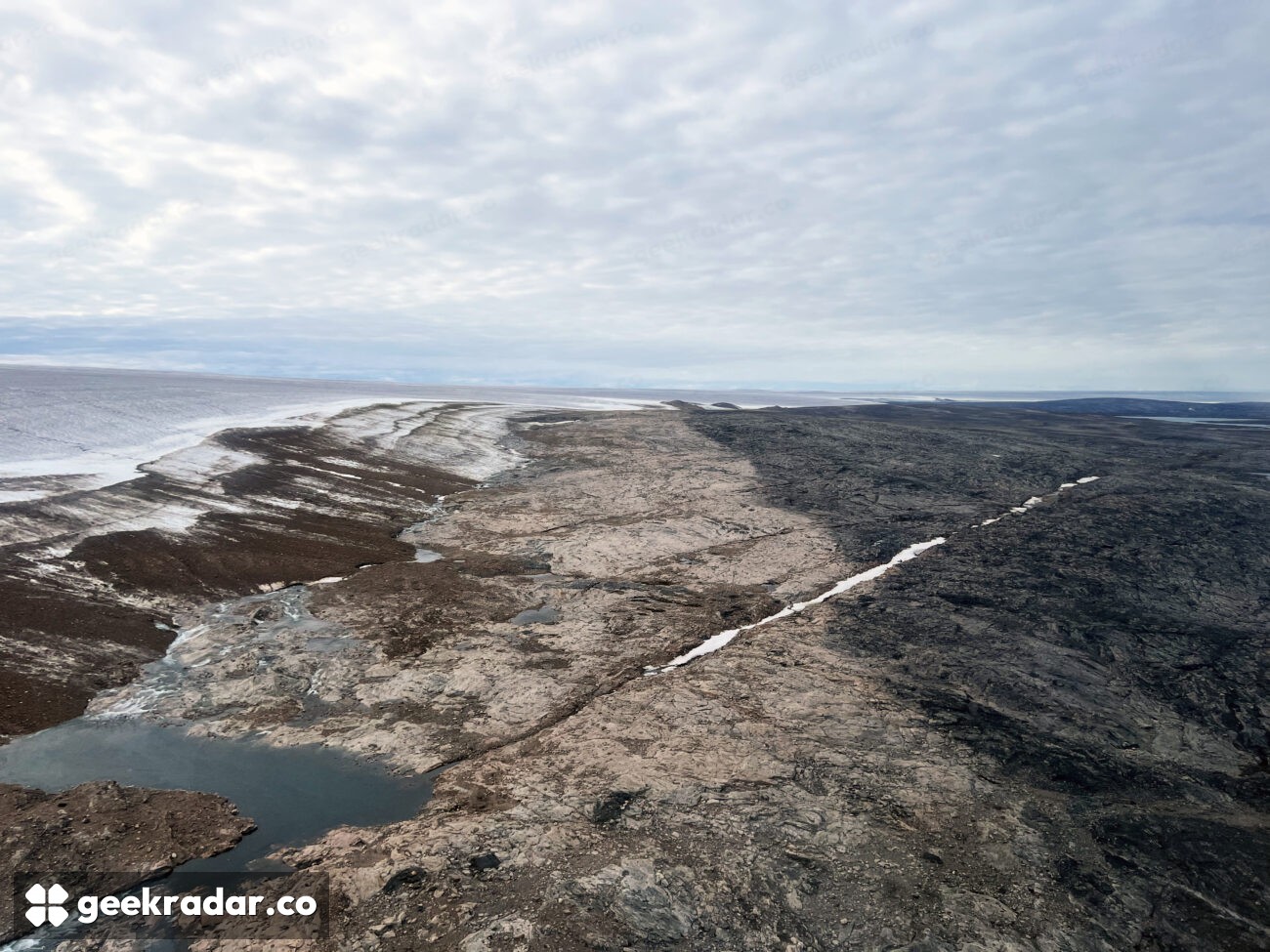
At Barnes, ice frozen to the bedrock can preserve vegetation rather than grinding it away through sliding. When the margin retreats, those remains become accessible. Radiocarbon dating helps establish when the plants stopped exchanging carbon with their surroundings, providing evidence about when ice covered the site.
A series of dated locations can therefore tell a story that one sample cannot. It connects a time to a place along a changing margin. The reconstruction still requires attention to which locations are exposed and which remain hidden under the ice; an elegant timeline does not remove the limits of sampling.
The argument includes a definition of when glaciation starts
The researchers argue that renewed ice growth about 2,000 years ago can be considered the beginning of another glacial period, rather than waiting until much larger ice sheets have formed. That is a consequential interpretation of the evidence, not simply a new date stamped onto an unchanged definition.
The distinction matters because “stopped the next ice age” can suggest a near-term event narrowly avoided. The research instead examines the first stages of a process whose development into a continental ice sheet would take far longer than a human lifetime. The timescale belongs beside the claim, not hidden after the dramatic headline.
The surviving ice is also a starting point
Barnes matters as a remnant that can help further ice accumulate under colder conditions. Its mass and local environment can contribute to feedbacks supporting growth. Losing that remnant would change the starting conditions for a distant future glaciation, although the timing of such a future under elevated greenhouse-gas concentrations is uncertain.
The study's present-day significance is more direct. Ice that records a long history is now exposing evidence of that history as it shrinks. Those emerging plants are not merely debris at a melting edge; they mark places where an advancing ice cap once ended a growing season. Reading them makes the modern retreat visible against a much longer baseline than a pair of recent photographs.