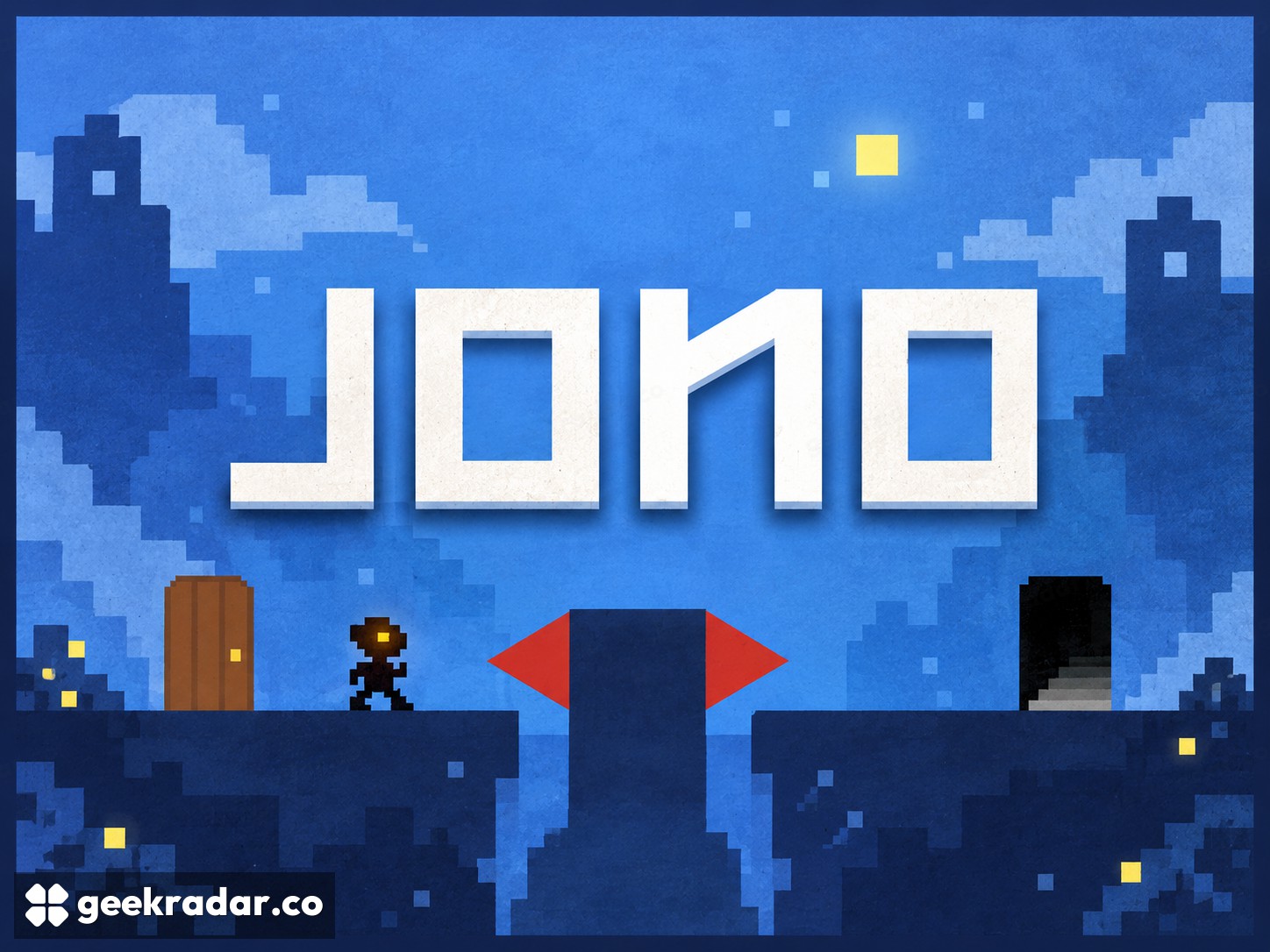
Jono makes one minute of platforming everybody’s business
One global character and permanent room progress turn spectators into the next player. The developer’s networking choice supports that unusual handover.
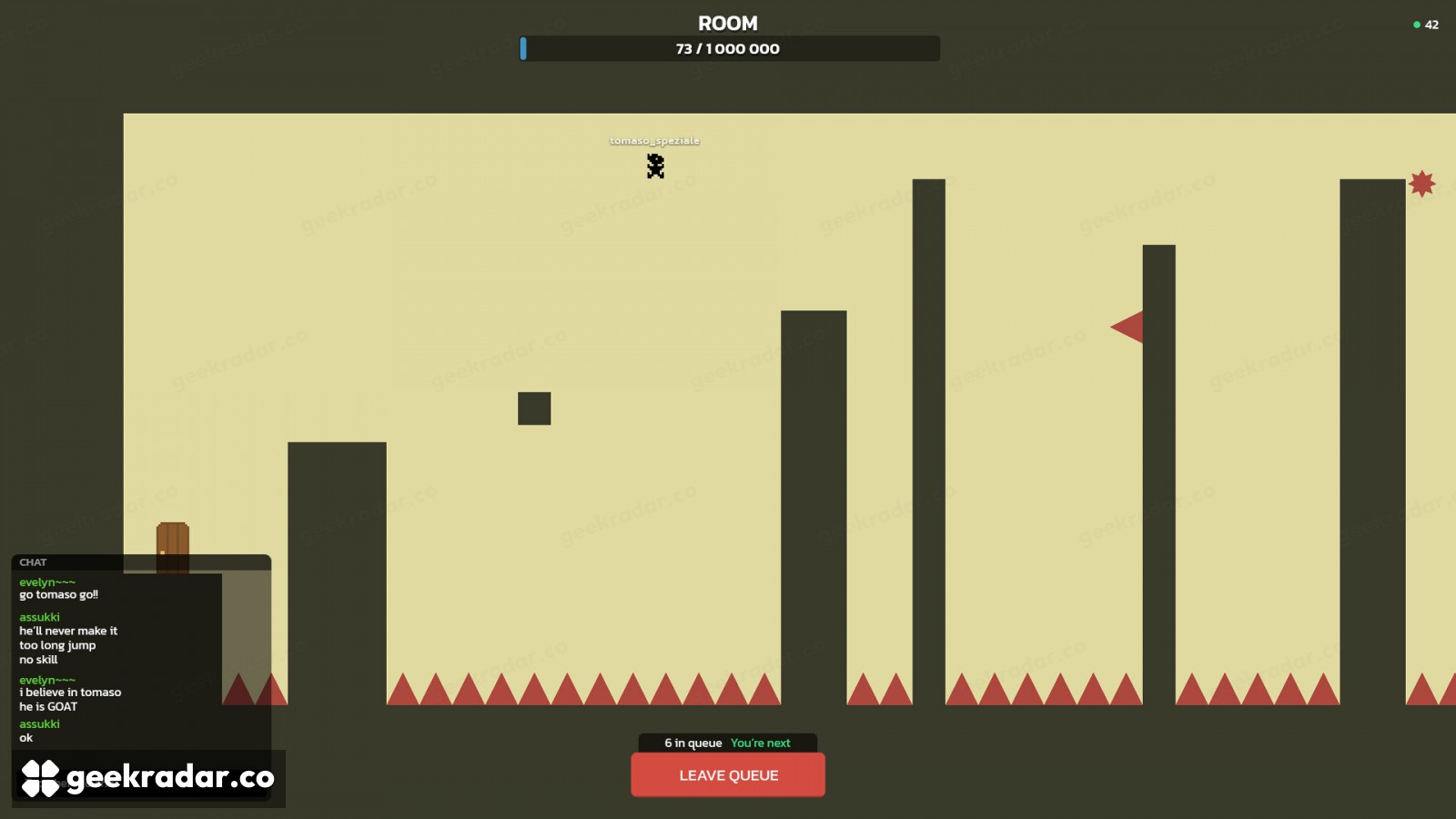
Most multiplayer games promise more people playing together. Jono makes almost everyone wait. Its tiny platforming character belongs to one global queue: a player gets a minute at the controls, then the next person inherits the position they leave behind. The audience watches the same journey, and a cleared room stays cleared for everyone.
Part Time Monkey's free game launched on Steam on October 4 and has attracted fresh attention this week for that deliberately awkward premise. The interesting design choice is what the waiting becomes. A queue that would be a nuisance in a conventional platformer is the mechanism that turns a private attempt into a public event.
Progress belongs to the room, not the account
Death resets the current room rather than undoing the entire shared journey. The next participant can inherit progress made by a stranger, while the spectators have already seen the hazards that defeated previous attempts. The store description also identifies persistent gravestones as clues to where earlier players died.
This changes what success means. Clearing a difficult section helps people who may never learn your name, and failing does not remove rooms other players have already completed. The design concentrates responsibility on the current obstacle without making one mistake destroy everybody's accumulated progress. That is a specific compromise between individual skill and collective ownership.
Chat and emotes give spectators something to do, but they are not substitutes for the central scarcity. There is still only one active character. Anyone looking for uninterrupted practice should understand that distinction before treating “free platformer” as the whole description.
Spectators do not need a video broadcast
In a developer discussion about the launch, Part Time Monkey explains that spectators reproduce deterministic inputs rather than receiving a video stream. In this approach, the game uses the same input sequence to reproduce the action locally. The network communicates what happened in the simulation rather than every pixel of a compressed picture.
That is a particularly neat match for Jono's premise. Everybody is interested in the same small piece of game state, so the spectator experience can remain part of the game itself. It does not establish a universal latency guarantee, and it does not mean networking is trivial. Keeping clients in agreement is still essential: the handover would lose its meaning if people were seeing materially different outcomes.
The technical choice also distinguishes the experience from watching a streamer play a conventional single-player game. Here, being in the audience is preparation for becoming the player. The transition between the two roles belongs to the software, rather than to a broadcaster deciding who gets a turn.
A huge destination needs worthwhile rooms
The advertised million-room journey is an ambition for the shared route, not evidence that the community has finished a million challenges. The game includes an editor, and the developer describes testing and approval requirements for submitted rooms. A quantity that large would mean little if individual obstacles were impossible or simply unpleasant to inherit.
The store currently lists Windows requirements and English interface support. Its screenshots establish a deliberately simple visual vocabulary of platforms, hazards and a small character; they do not make this a story about graphical spectacle. More independent games find their identity in a rule that changes familiar actions.
Jono's strongest idea is that the jump can be ordinary while the ownership of the attempt is unusual. If you clear the room, your reward includes knowing that nobody behind you has to clear it again. For a game built around waiting, that is a remarkably concrete way to respect the next person's time.