
Valorant’s Corrode changes give Map Rating something useful to explain
Shorter defensive routes and a private map-by-map score invite a closer look at habits, rather than treating every loss as an aim problem.
Valorant's patch 13.08 changes both a map and the way players can judge their familiarity with it. Corrode has shorter defensive rotations and revised sightlines, while the new private Map Rating breaks performance down by map and side. Together, they make a useful case for relearning a route before deciding that a sequence of losses says everything about your aim.
The October 13 patch notes describe Map Rating as a score from 0 to 500, expressed from C to S. It draws on win rate and Performance Score, weights recent play more heavily and separates attack and defense. Historical matches are not included, so the system starts collecting its own baseline rather than instantly grading a player's entire history.
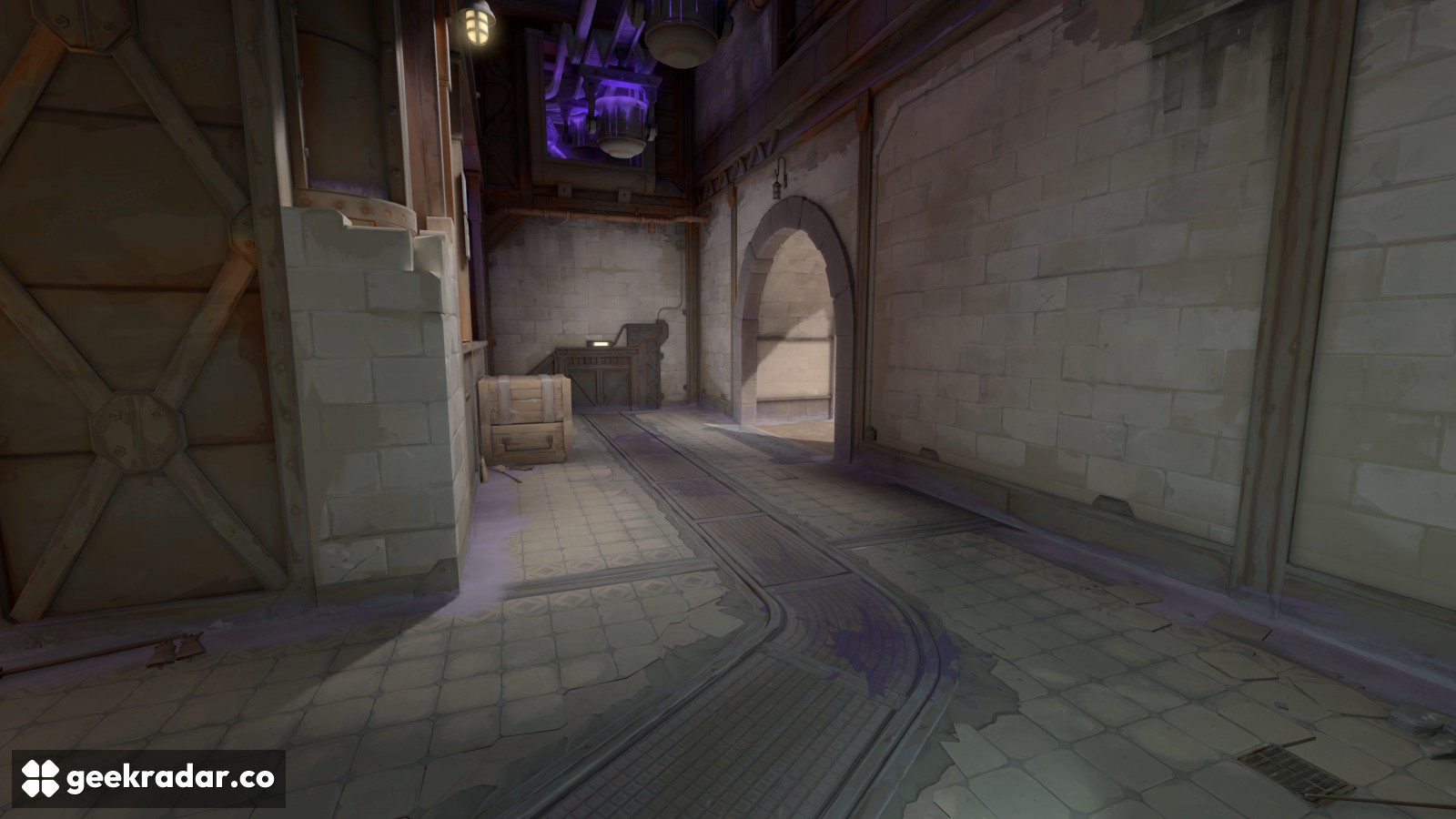
A shorter rotation changes who arrives in time
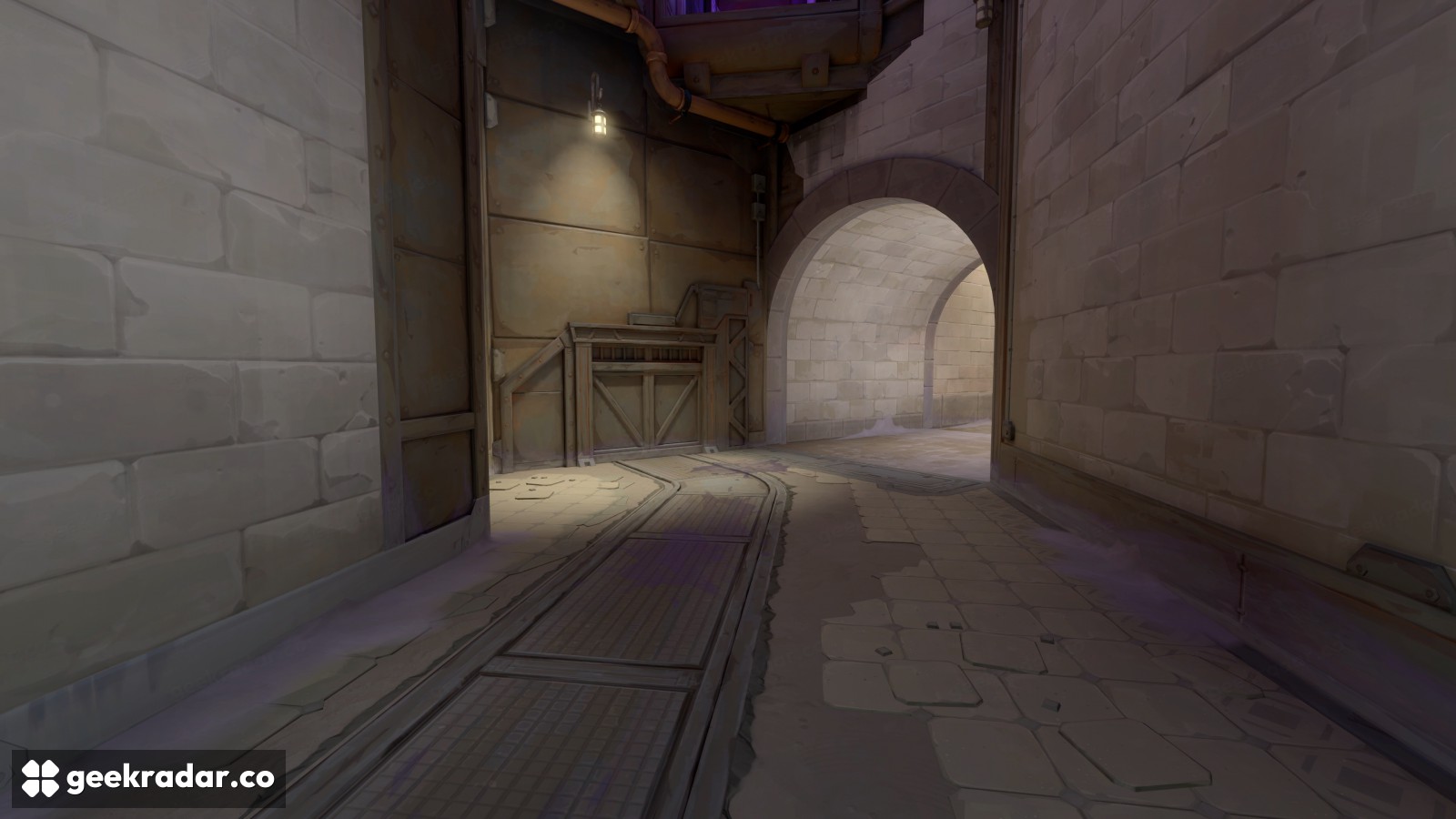
Corrode's changes include shorter defender routes between its sites, adjustments around mid and a revised A planting area intended to reduce the strength of certain A Link post-plant positions. These are spatial changes: their effect depends on where a player stands, what information the team has and when it decides to move.
Consider a defender hearing a call from the opposite site. A shorter route can make a rotation more viable, but it does not make every early rotation correct. Moving too soon still leaves space behind. The changed geometry shifts the timing decision; it does not remove the decision.
Likewise, a post-plant position learned from an earlier version of the map may no longer cover the same useful space. The official before-and-after images are therefore more informative than a generic claim that the map has become easier for one side. They show what moved. They do not establish the eventual win-rate impact.
Use the rating as a question, not a verdict
A large gap between attack and defense can point toward a useful review. Are entries coordinated? Are rotations abandoning a site too early? Is the team playing post-plant positions that the new geometry no longer supports? The rating cannot answer those questions on its own, but its split view is more actionable than treating every loss as the same failure.
Riot also brought Bind and Corrode into the competitive and Deathmatch rotation while removing Ascent and Split. That gives the map-specific view practical relevance: players are adapting to a pool, not just receiving another personal number.
The feature joins a familiar question in competitive PC games: can a personal statistic help identify a habit worth changing? A private score can help locate a problem without becoming a public label attached to a teammate. On Corrode, the first useful improvement may be as mundane as discovering that the route you always take is no longer the route the map rewards.