Apex Legends’ planned bans are weighted votes, not guaranteed vetoes
Respawn separates November’s higher-rank changes from a larger 2027 restructuring. Lobby entry costs and match difficulty remain different questions.
Apex Legends is planning a Ranked ban phase, but a vote will not simply remove the legend with the largest pile of votes. Respawn's Season 31 proposal uses weighted selection: players' choices influence the chance of a ban. That distinction changes what a team should expect from the system before the November season arrives.
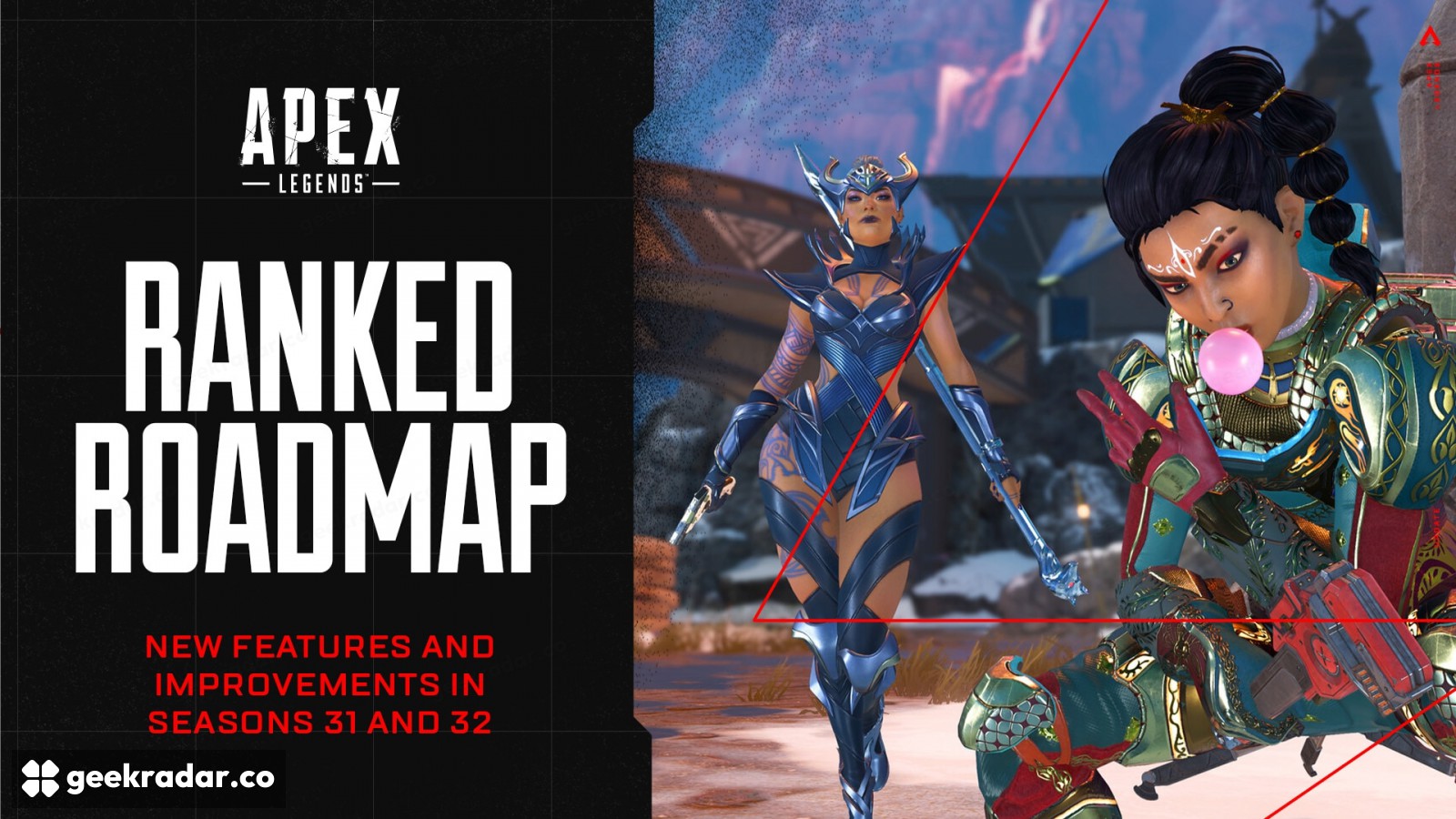
The Ranked roadmap for Seasons 31 and 32 places the ban phase in Diamond and above with Drop Zones. These are announced changes, not a description of every Ranked match available today. The roadmap also separates the November work from a larger restructuring planned for early 2027.
A vote expresses a preference, not a veto
Under the proposed system, each player gets a vote and the selection is weighted. That preserves influence without making a single player's choice a guaranteed exclusion. It also means a heavily discussed legend is not automatically absent from every lobby merely because several players voted for it.
For players who specialize in one character, the practical implication is preparation rather than panic. A backup legend becomes useful when the preferred pick can be removed, but the published plan does not justify treating any particular character as permanently unplayable in higher ranks. The actual selection process matters more than the shorthand phrase “legend bans.”
The design also creates a different information problem from choosing a counter-pick. Players are shaping a pool before play, rather than responding only to an opponent already visible in a fight. The value of a vote therefore depends on the kind of match a player wants to avoid or enable, not simply on the last frustrating elimination.

Entry cost acknowledges a difficult lobby
Respawn also plans to use a lobby tier based on the squads' median tier. Players far below that level receive a Challenger adjustment to entry cost, while those sufficiently above face a Goliath adjustment. This changes the cost of participating in an uneven match; it does not make the underlying skill gap disappear.
That is a useful distinction when assessing fairness. A lower entry cost can soften the consequence of being placed into a harder lobby, but the player still has to fight stronger opposition. Conversely, a higher cost asks a stronger participant to justify the advantage through the result. The roadmap should be judged on both the match experience and the scoring treatment, rather than assuming one automatically fixes the other.
Season 32's proposed Emerald tier and Open/Pro-Am split are a further step, with different emphasis on kills and placement. Exact outcomes will depend on the implemented rules, so the announcement is not a ready-made strategy guide for those future ladders. For now, the concrete preparation is narrower: understand the planned ban mechanism, develop a second comfortable legend, and distinguish the price of entering a lobby from the difficulty of surviving it.