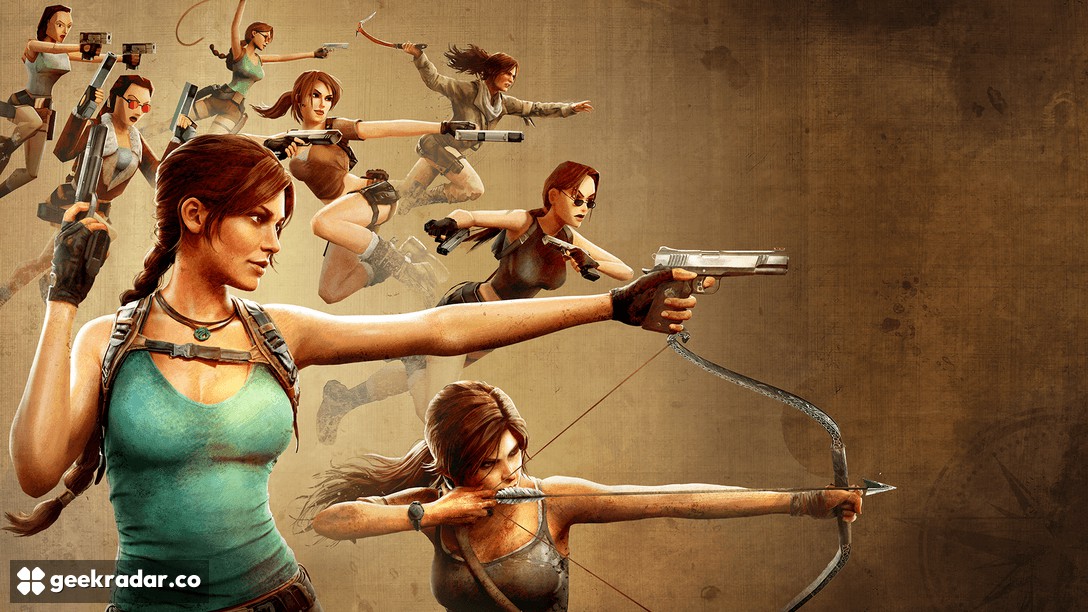
Tomb Raider’s new Lara began with a real mannequin and real clothes
The Legacy of Atlantis design update shows why recognizable characters need more than a higher polygon count.
One of the more revealing details in the new Tomb Raider: Legacy of Atlantis development update is an object that never had to run on a console: a full-size mannequin. Crystal Dynamics describes printing Lara Croft's digital base body, dressing it in real clothing and scanning the result. For one outfit, the team hired a tailor.
The October 22 account of Lara's design offers a useful way to understand this reimagining. More computing power is only part of the work. The harder decision is which details make a familiar character convincing without making her less recognizable.
Images: PlayStation / Crystal Dynamics.
Real fabric supplies constraints an artist can use
A scan is valuable because cloth has a structure of its own. Seams, weight and folds create relationships across a garment. Inventing each crease separately risks making a surface look busy without making it believable. Starting from something that exists gives artists a consistent reference for those relationships.
It also creates a productive constraint. A costume designed only as a striking drawing may behave differently when somebody has to make it fit a body. Bringing a tailor and a physical form into the process exposes questions about construction before the finished asset appears on screen. The result still needs artistic decisions; the scan does not decide what the character should communicate.
That is especially relevant to a character people recognize in silhouette. Adding detail can strengthen a design, but it can also bury its clearest shapes. At normal playing distance, a material's broad response to light may matter more than a tiny stitch that looks impressive in a close-up.
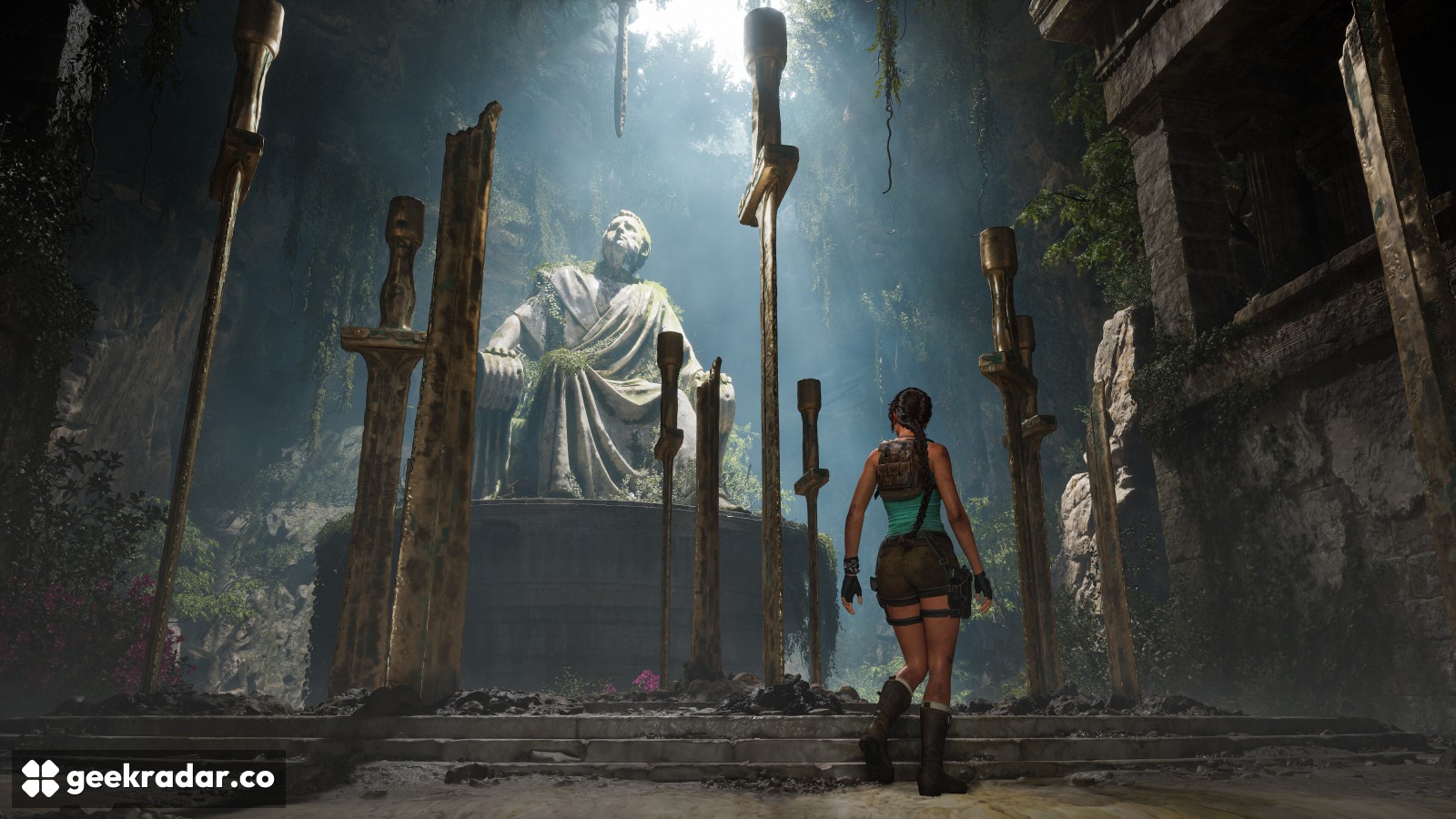
Recognition is a different problem from resolution
The developers describe the 1996 design as their anchor, alongside newer techniques for hair, skin and facial expression. This is an artistic target, not a claim that the new game simply reproduces the original frame by frame. The official game page calls it a ground-up reimagining built with Unreal Engine 5.
That distinction leaves room for a useful tension. A familiar outfit can establish identity immediately, while expression and movement carry information a static costume cannot. A face that reads convincingly in a still image has a different job once it must move between emotions. Likewise, hair must belong to the character's overall shape rather than becoming a separate demonstration of rendering technology.
The images released with the update make the design discussion tangible, but they cannot establish the finished game's performance, camera behavior or consistency across an entire adventure. Those are separate questions. A production account explains how an asset was constructed; it is not a substitute for a review of the game in motion.
A February release, with Italy included
The Italian PlayStation listing currently dates the PS5 release to February 12, 2027, with the Standard Edition available to preorder at €59.99. The US listing shows $59.99. These are regional listings, not a currency conversion, and the game remains unreleased.
For now, the most interesting promise is a design philosophy rather than a polygon count. A real garment on a printed body gives the artists something specific to observe, challenge and refine. The technology earns its place when those decisions make Lara easier to believe in without requiring anyone to study the stitching to recognize her.