Samsung’s 45% foldable-sales gain compares two models with one
The European update points to a bigger Fold business. It does not reveal which new model is winning, or how search interest translated into purchases.
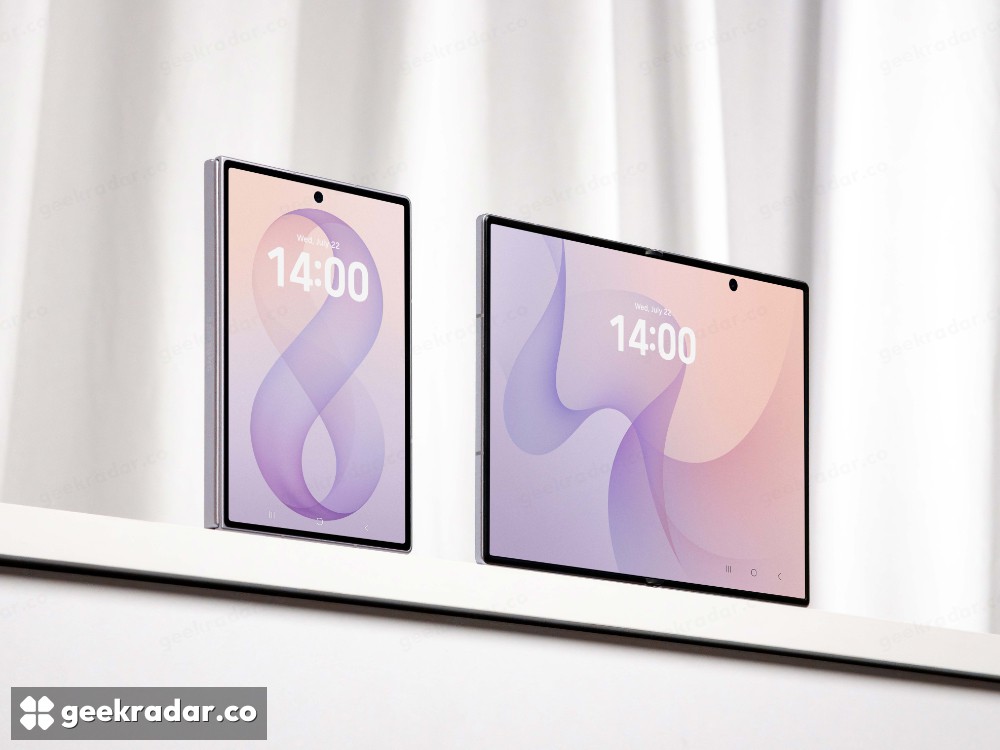
Samsung says combined European sales of Galaxy Z Fold8 and Fold8 Ultra were 45 percent higher than Galaxy Z Fold7 sales over the equivalent first nine weeks of availability. The October 22 update is evidence of growth for Samsung’s book-style foldable range. It is not a model-by-model verdict: two products are being compared with one predecessor.
That does not invalidate the comparison. A wider range can be a deliberate way to reach more buyers. It does change the question the figure answers. The result describes the business generated by the new pair, while leaving each model’s contribution undisclosed.
The denominator belongs in the headline
Samsung’s range announcement separates Fold8 and Fold8 Ultra from the clamshell Flip8. The current sales claim covers the two Fold models together. It should not be extended to every Samsung foldable or used as a growth rate for the whole European smartphone market.
Without absolute volumes, the announcement cannot establish the size of the total market. Without a split, it cannot show whether the smaller Fold8 is attracting a different audience or whether the Ultra accounts for most of the gain. Those are commercially interesting questions, but a combined percentage cannot answer them.
It also says nothing by itself about profitability. A phone sold with a substantial promotion still counts as a phone sold. The update is not a disclosure of revenue per device, discounts or margin, so none of those should be inferred from the growth figure.
Searches and purchases use different clocks
Samsung also reports a rise of more than 260 percent in searches for its foldables in September compared with August, across 32 European markets. A separate weekly comparison puts the September 6–12 increase at 460 percent over the previous week. Italy appears in the company’s list of markets for those search comparisons.
These are two differently framed interest signals, not additional sales measurements. A monthly comparison and a weekly spike cannot be combined or treated as the same observation. Nor does a rise in searches reveal whether people were researching a purchase, comparing an alternative or simply trying to understand a new form factor.
The wider context includes Apple’s entry with iPhone Duo. That makes increased curiosity about foldables plausible, but the timing alone cannot prove that one launch caused Samsung’s sales growth. Establishing that would require evidence beyond the search and sales summaries supplied here.
More choice is the result buyers can actually inspect
For an Italian buyer, the European figures are relevant market context, not an Italy-specific sales result or a reason to skip local pricing and warranty checks. A popular category can still contain very different compromises in proportions, weight, software and the way a second display fits into daily use.
Samsung has a useful result to report: its expanded Fold offering is selling more than last year’s single model over the stated period. The next meaningful detail would be the split. Until then, the strongest conclusion belongs to the range, while the purchase decision still belongs to the particular phone in your hand.
Product image: Samsung.