REDMAGIC 12 Pro preview pairs an 8,400mAh battery with a 185Hz display
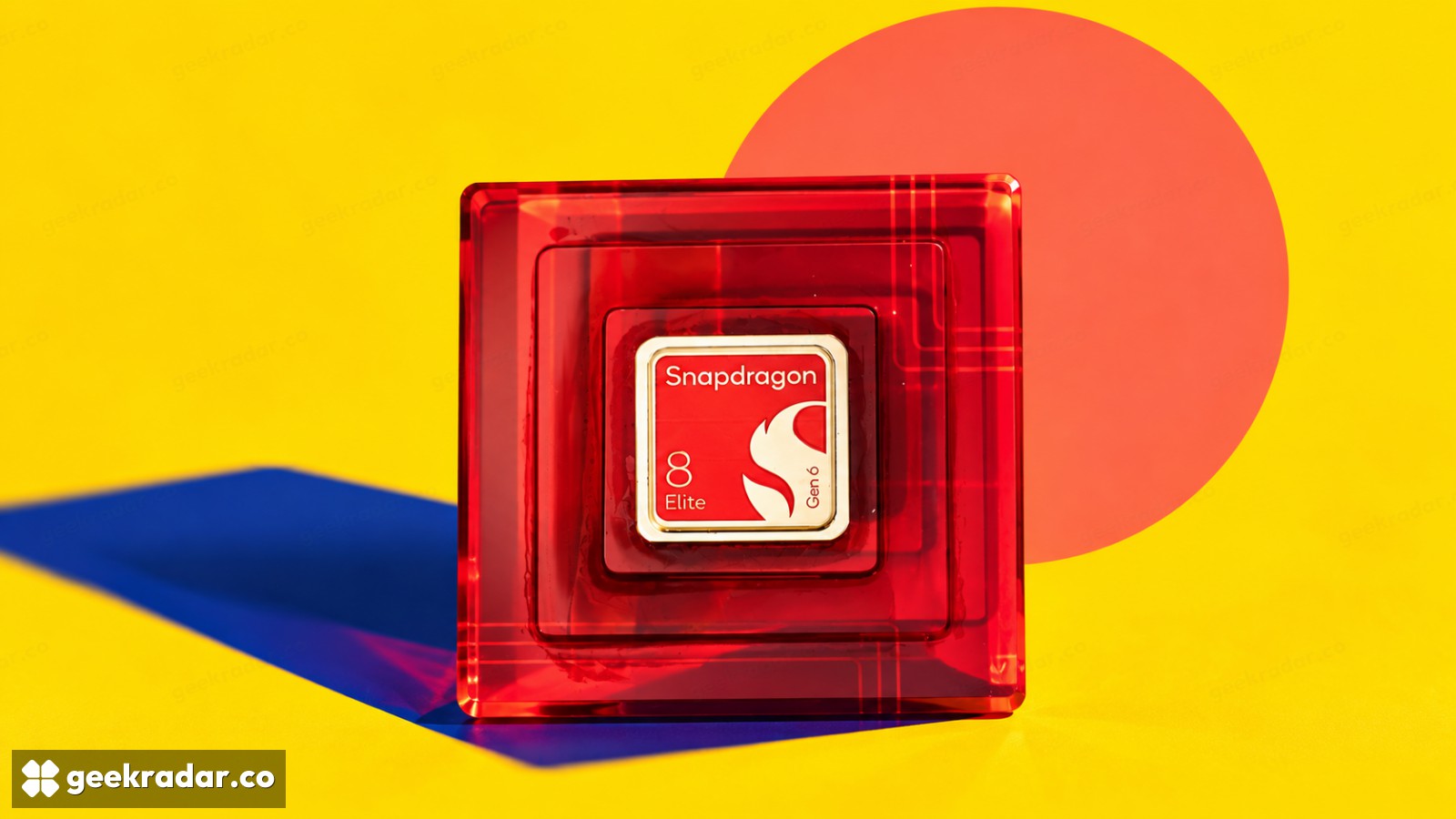
The global model gets Snapdragon 8 Elite Extreme Gen 6 and dual-loop cooling. Regional prices and the launch date are still missing.
REDMAGIC has confirmed an 8,400mAh battery, 80W wireless charging and a display refresh rate of up to 185Hz for the upcoming global REDMAGIC 12 Pro. Its October 16 preview also names Qualcomm's Snapdragon 8 Elite Extreme Gen 6 and a new dual-loop cooling system. The global launch date and regional prices remain unannounced.
That makes this a more substantial preview than a silhouette, but it still stops short of a complete product launch. The manufacturer's announcement explicitly reserves further design, software and availability details for later. Chinese-market reports about a Pro+ should not be used to fill those gaps automatically.
The cooling system is the point of the specification
REDMAGIC describes a combination of dual-loop liquid cooling, a turbo fan, a large vapor chamber and its Liquid Metal 4.0 technology. It also names an R5 gaming chip alongside the main Qualcomm processor. The preview supplies no independently measured sustained-performance result for the finished phone.
The engineering logic is nevertheless clear. A processor's peak operating point is only useful for as long as the surrounding device can remove the heat it produces. Heat travels through interfaces and spreaders before it can leave the chassis. Adding a fan changes the way the device exchanges heat with surrounding air, but the benefit depends on the entire path rather than the presence of a fan alone.
That is why two phones with the same processor can deliver different experiences during a long game. Their thermal limits, power settings and physical construction can diverge. REDMAGIC's pitch is about extending the time spent near a desired performance level, which is a more specific promise than simply choosing the newest chip.
Qualcomm's two flagship tiers are easy to confuse
Qualcomm introduced both the Snapdragon 8 Elite Gen 6 and Snapdragon 8 Elite Extreme Gen 6 in September. Its original announcement places Extreme at the top of the lineup and identifies Adreno Neural Fusion as a new graphics feature. Both platforms use a 2nm process and Qualcomm's Oryon CPU architecture.
The 12 Pro preview specifies the Extreme variant. That full name matters when comparing specifications: “Snapdragon 8 Elite Gen 6” is also the name of a different product, rather than a convenient abbreviation that always means the same silicon.
Qualcomm's platform capabilities should also be separated from features delivered by a particular game and phone. A chip may support a graphics technique without every title using it. A manufacturer's implementation, software updates and developer support determine how much of the platform's feature list appears in actual play.
A 185Hz panel is a ceiling, not a game result
At 185Hz, a display can refresh approximately every 5.4 milliseconds. That arithmetic describes the panel's cadence; it does not prove that a demanding game renders at 185 frames per second. A game's frame-rate options, rendering workload and thermal behavior still matter. The same distinction applies to the high-refresh ambitions discussed in our OnePlus 16 coverage.
Likewise, 8,400mAh is a battery-capacity specification, not a measured number of gaming hours. Runtime depends on the load, display brightness, radios and cooling operation. Wireless charging's stated 80W is a supported peak rate; it should not be read as constant power throughout an entire charge.
The preview gives REDMAGIC a coherent direction: pair a powerful processor with the cooling, battery and display needed to make sustained play its distinguishing feature. What it does not yet provide is the complete buying proposition. Until regional pricing and availability arrive, the confirmed hardware is a reason to follow the launch, not a basis for inventing an Italian release date or declaring a performance winner.