Why Tiangong’s first Pakistani visitor will fly up on Shenzhou-24 and home on Shenzhou-23
The rocket is at Jiuquan’s launch pad. A crew member’s planned year aboard the Chinese space station leaves a return seat for a much shorter visit.
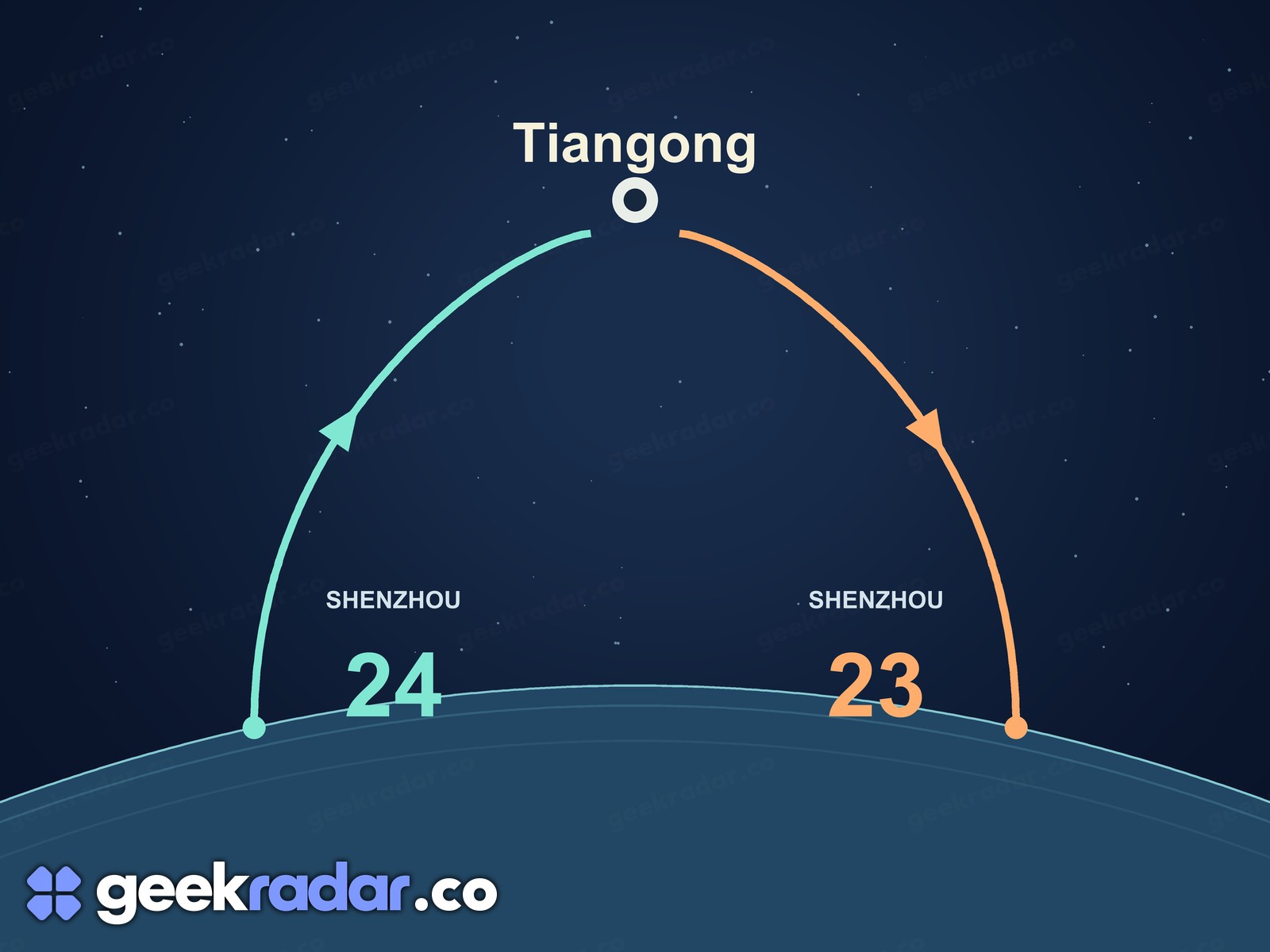
The spacecraft that will take Tiangong’s first international visitor into orbit is on the launch pad. The one that will bring the visitor home is already at the station. China plans to fly a Pakistani payload specialist aboard Shenzhou-24 and return the astronaut on Shenzhou-23 after a short stay. That arrangement makes room for two missions of very different lengths: a guest visit and a year in orbit for one member of the resident crew. China Manned Space Agency’s flight plan
On November 17, the Shenzhou-24 spacecraft and its Long March 2F rocket moved together to the launch area at Jiuquan in northwestern China. The agency’s rollout notice said the ground equipment was in good condition. Functional checks and joint tests would follow. It gave no precise launch time. The hardware has reached the pad; the first visit by an astronaut from outside China still lies ahead.
How the return seat opens up
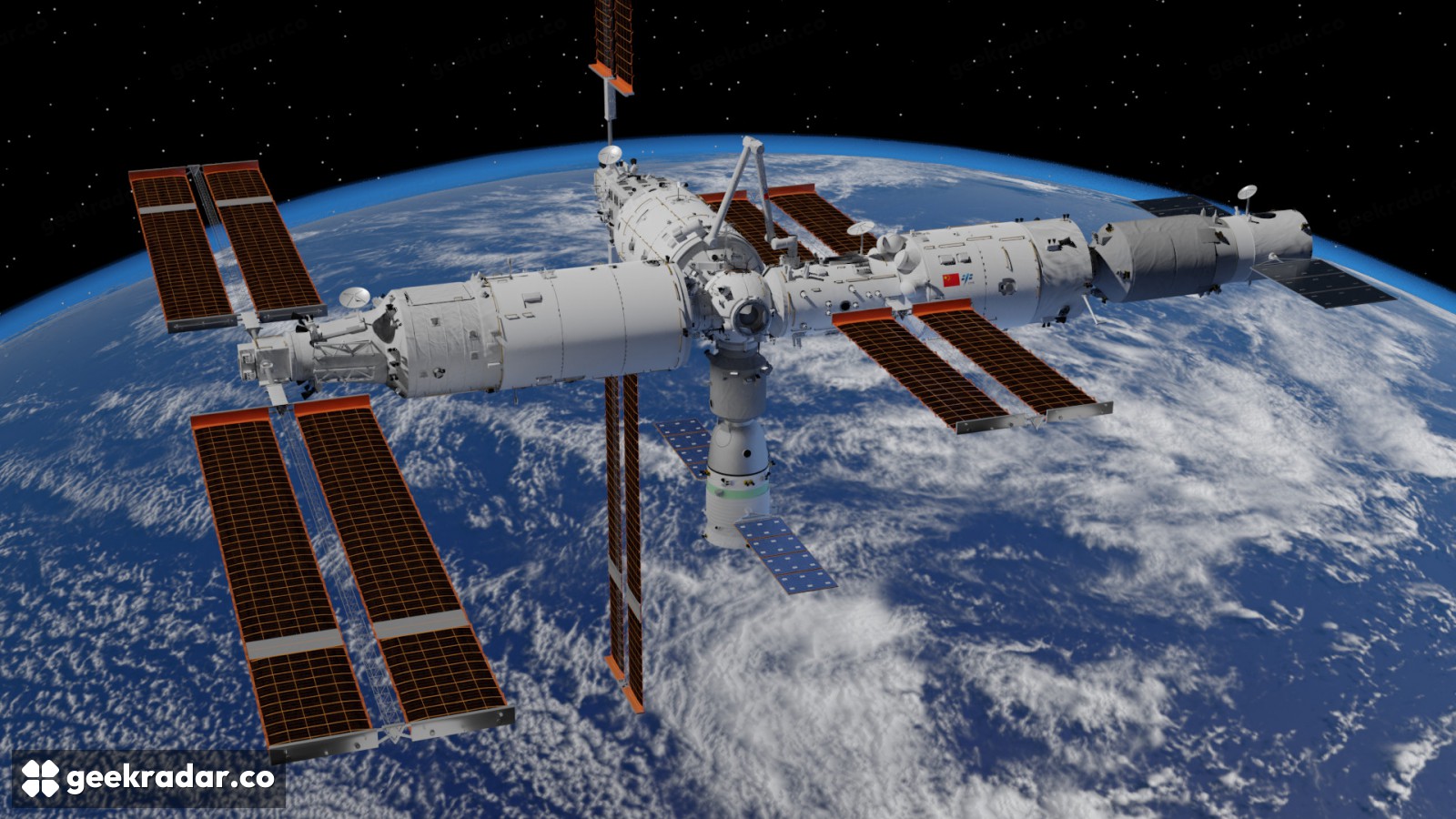
The station illustration shows an earlier configuration, drawn after the Mengtian laboratory docked in November 2022. Shujianyang’s illustration · CC BY-SA 4.0
Shenzhou-23 carried three astronauts to Tiangong in May. Under the plan China described at its preflight briefing, one of them would stay for a year. When the other two head home in the spacecraft they arrived in, a third seat will be available. The Pakistani visitor can take it after spending time with both crews during the handover. Shenzhou-24 can stay docked for the longer expedition. Space.com’s November 19 mission report
It is easy to read the number painted on a crew capsule as shorthand for everyone’s expedition. Here it tells you which vehicle is making the trip. To understand how long a particular person will be away, you need to know who takes the seats on the way down.
What Pakistan’s astronaut is training to do
The agreement between Pakistan’s SUPARCO and its Chinese counterpart calls for two Pakistani candidates to train in China. One will fly and the other will serve as backup. A payload specialist trains for work with the experiments aboard the station. SUPARCO identifies materials science, fluid mechanics and space radiation among the fields the program is intended to support. Its announcement sets out a research remit rather than a final list of experiments for this flight.
The yearlong resident has a different scientific role. In May, China’s human spaceflight agency said the longer stay would help it gather data on human adaptation and assess medical support over a longer interval. The handover gives both projects the time they need. When Shenzhou-23 undocks, the same departing capsule will mark the end of one astronaut’s visit and roughly the halfway point of another astronaut’s year.