Samsung’s new memory and mobile chiefs inherit two very different quarters
Sang Joon Hwang helped design the memory now filling server orders. Won-Joon Choi takes charge of Galaxy phones after a quarter in which foldables lifted sales and mobile and networks together posted a loss.
Samsung has put the engineer who led development of its high-bandwidth memory in charge of the whole memory business. Sang Joon Hwang takes that job after a quarter in which capacity constraints forced Samsung to choose which memory products to prioritise. Won-Joon Choi, the new head of mobile, inherits a rather different problem. Sales rose in the quarter that brought new foldables to market, yet the combined mobile and networks businesses still lost money.
Samsung’s November 20 appointments leave its two chief executives in place. Young Hyun Jun still oversees Device Solutions, which makes semiconductors. TM Roh retains Device eXperience, the wider division that sells finished products. The change is one level closer to the products themselves. Hwang now decides how to run the business whose chips he helped design, while Choi moves up from running mobile operations to leading the business responsible for Galaxy phones.
The memory chief has already shipped his calling card
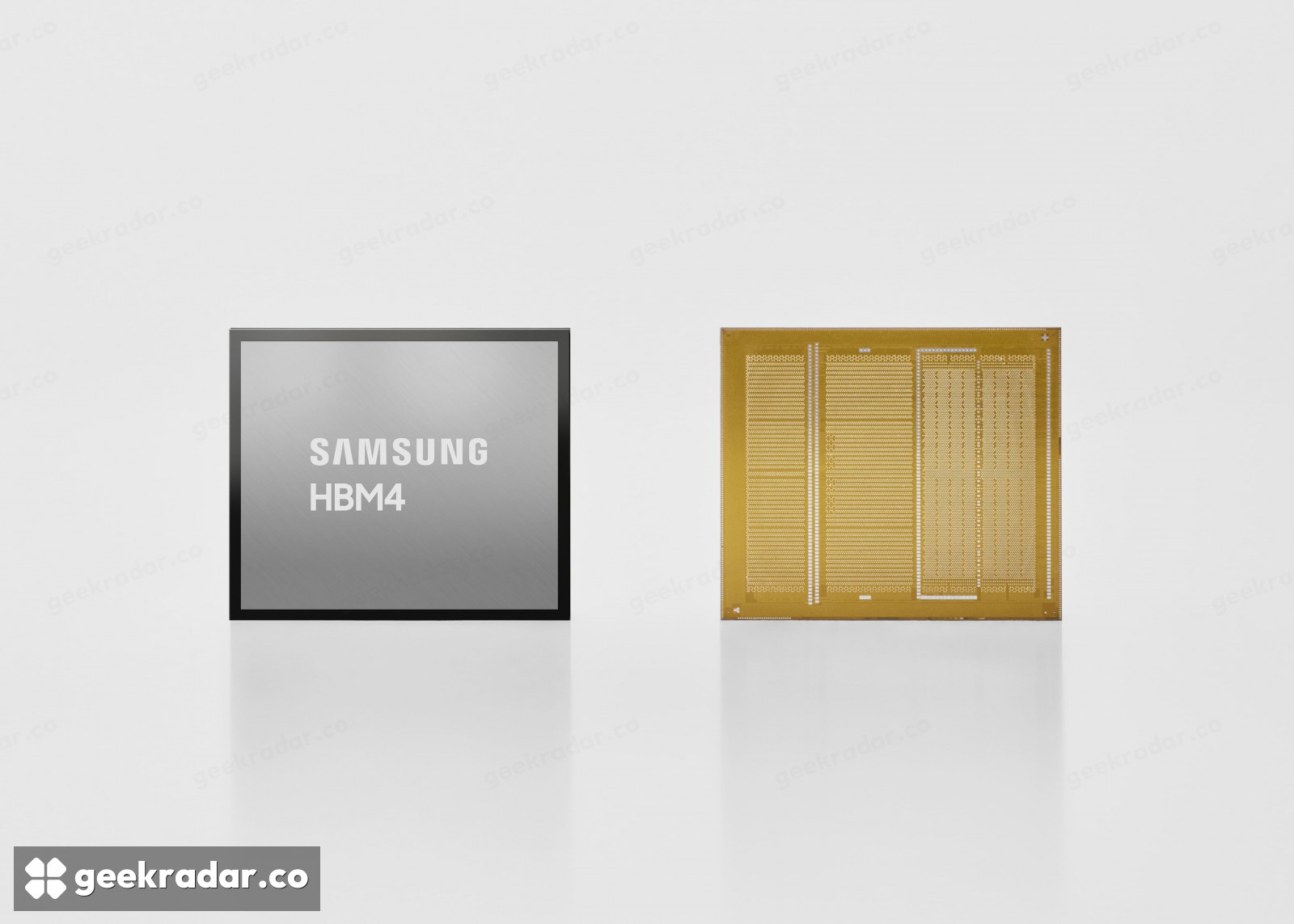
Look at the two faces of Samsung’s HBM4 package. The silver lid carries the name. The gold underside hints at the hard part of the job. An AI processor needs to move data in and out of memory fast enough to keep its arithmetic units busy. Stacking memory chips saves space, but the stack still needs enough connections and a logic chip at its base to carry all that traffic.
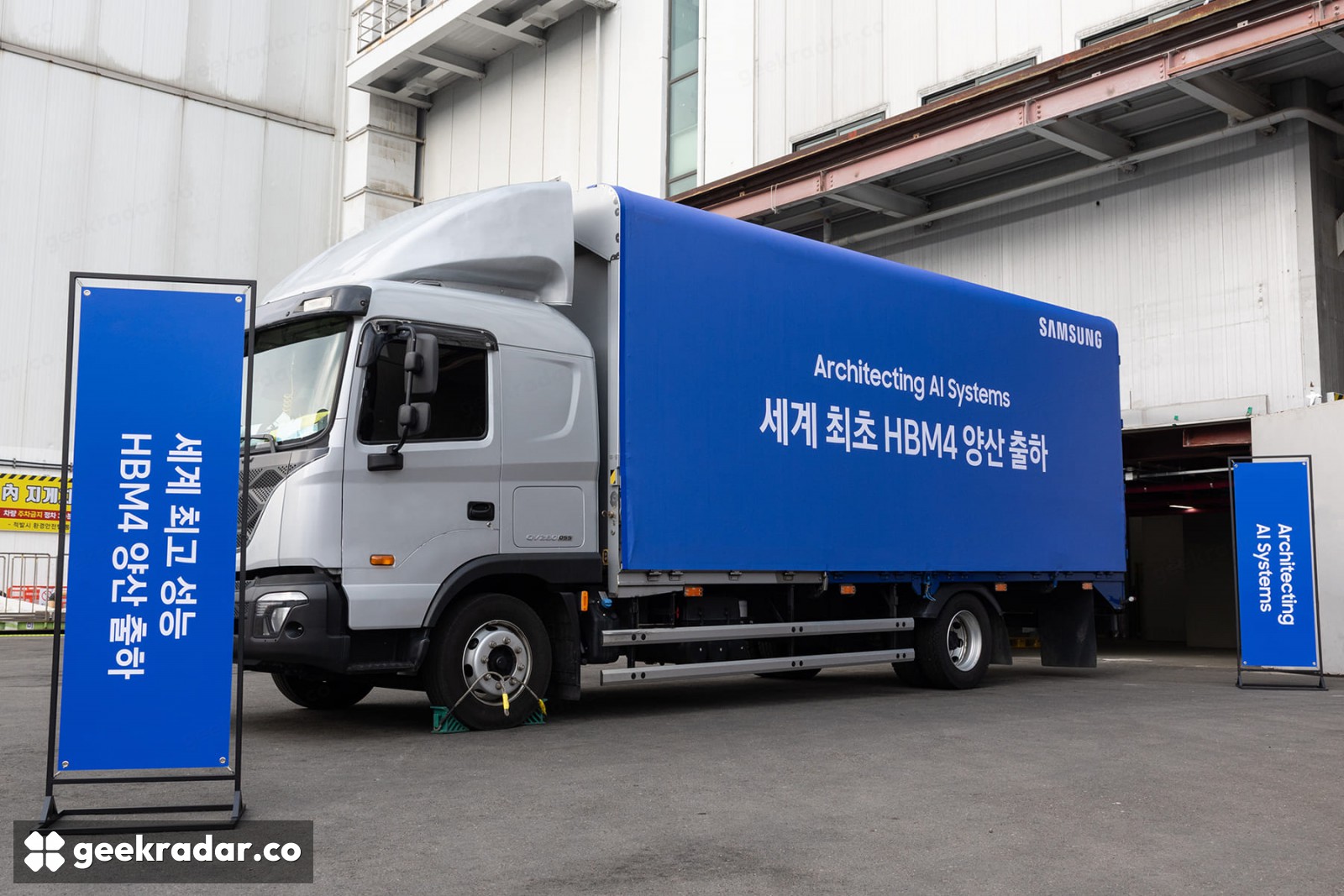
In its February shipment announcement, Samsung described a design with 2,048 data connections, twice as many as the preceding generation. The memory layers use Samsung’s 1c DRAM process. The logic underneath uses a different, 4-nanometre process. Hwang was the executive explaining that combination to customers in February. In his new role, success involves deciding how much factory capacity to commit to it alongside the other kinds of memory customers are ordering.
That decision is already visible in the accounts. In its results for the quarter ended September 30, Samsung said it had increased HBM4 sales while dealing with capacity constraints and strong demand for server storage. Memory set quarterly records for both revenue and operating profit. The much-quoted 106.5 trillion won in operating profit belongs to the whole semiconductor division, which also includes chip design and contract manufacturing. Samsung did not give that figure for Hwang’s business alone.
Selling more expensive phones still leaves a bill
Choi has been mobile chief operating officer since March 2025. Samsung credits him with overseeing launches including the Galaxy Z Fold8 series. Foldables make the logic behind his appointment easier to see. Selling a higher proportion of premium phones helped earnings improve from the preceding quarter, according to Samsung. Even so, mobile and networks together recorded a 600 billion won operating loss on 37.7 trillion won in sales. The company reports those units together, so the figures cannot tell us how much a particular handset earned or lost.
There is a similar distinction on shop shelves. As GeekRadar reported on European shipments, Samsung gained market share there while shipping fewer phones. A larger share, a higher average selling price and a profit are three different achievements. Choi’s challenge is to turn the appeal of premium hardware into the third one.
Two other appointments put people on either side of Hwang’s manufacturing decisions. Sangyeun Cho, previously head of Samsung’s US semiconductor operation, takes over System LSI, the business that designs products including image sensors and systems on a chip. Jong Myeong Lee, whose previous remit spanned process development for memory and foundry manufacturing, becomes chief technology officer for the semiconductor division. When the next earnings release lands, the telling lines will be the ones far apart on the page. One will show what Samsung earned by choosing which chips to make. Another will show what it cost to put a desirable phone in a customer’s hand.