Apple faces an Indian patent suit over what happens between two iPhones using NameDrop
StayTouch’s maker has asked the Bombay High Court to restrict devices with NameDrop. A separate US filing shows how much of a contact exchange happens out of sight.
GG Technologies, the company behind the StayTouch contact-sharing app, has sued Apple over NameDrop in India. The company is asking the Bombay High Court for ₹15 billion in damages and restrictions on the sale and import of devices with the feature, according to TechCrunch, which reviewed the filing. Those restrictions are requests. The suit was filed in October. At the time of the November 20 report, the court had yet to list a hearing.
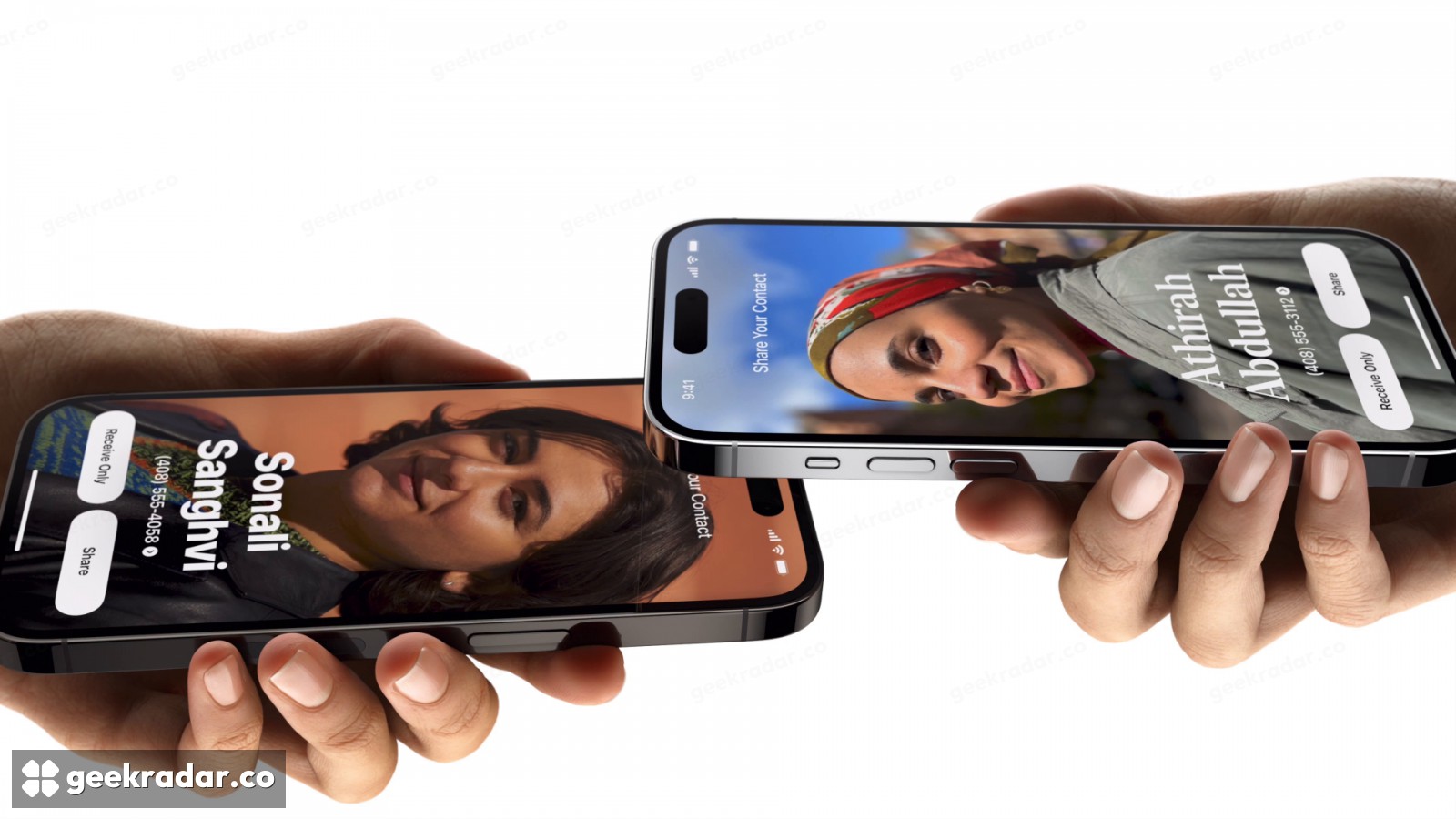
The small gesture at the centre of the dispute is familiar to iPhone owners: two people bring their phones together and their contact posters appear. What the phones do between detecting one another and displaying those posters is much harder to see. A separate US proceeding offers a particularly good illustration of why that distinction matters.
What the two people see
Apple introduced NameDrop with iOS 17 in June 2023. Try exchanging details at a conference and the choices on the screen tell you quite a bit about the design. One person can receive the other's details without handing over a number in return. Someone who wants to share a work address can select that field on their own card. Moving the phones apart or locking the iPhone before the transfer finishes cancels the exchange.
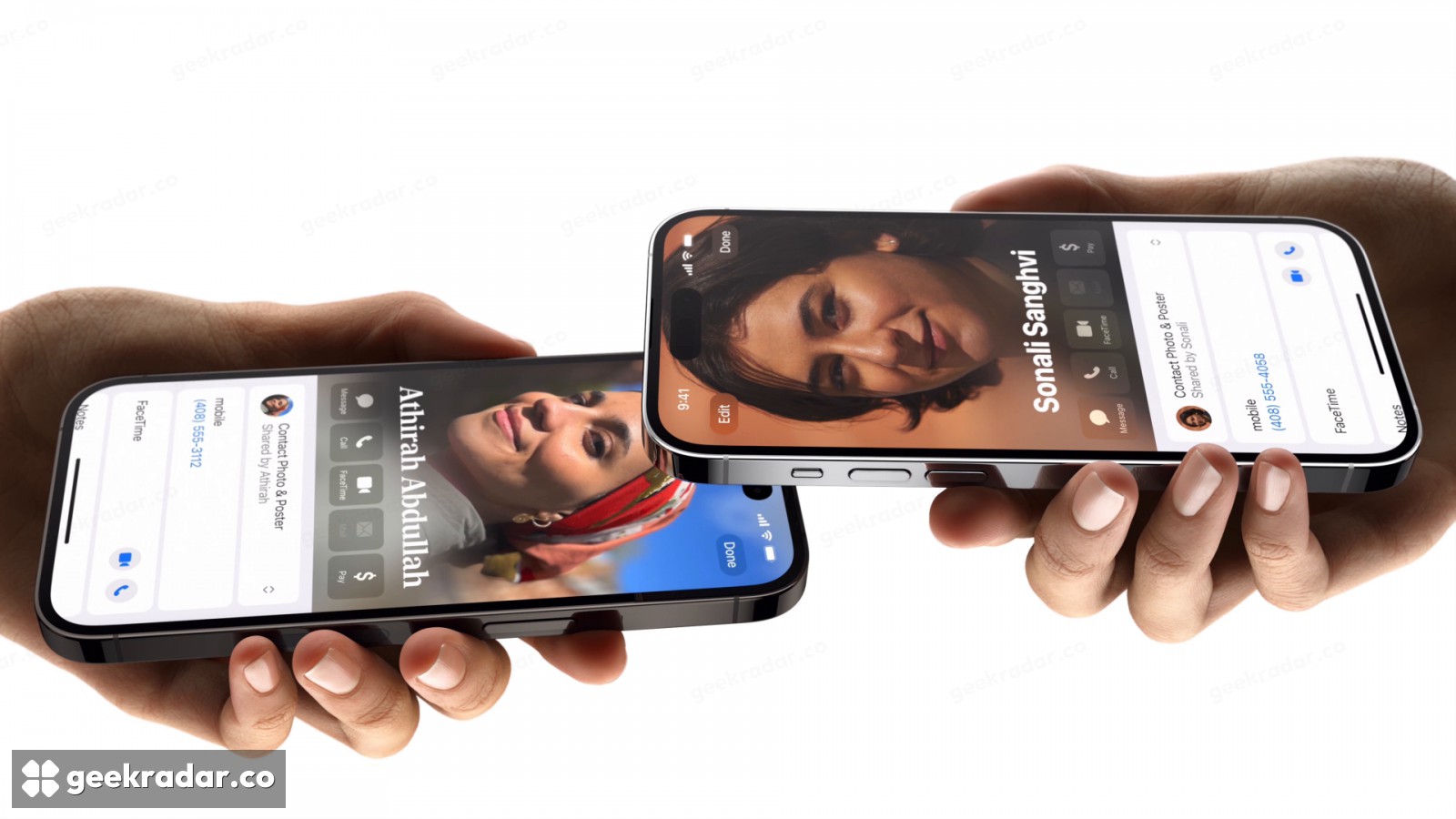
The iPhone user guide explains a limitation that's easy to miss: NameDrop is for new contacts. Bringing two phones together again won't refresh an old address-book entry after someone changes jobs. The feature also works with compatible watches, including the Apple Watch Series 7. That's why a dispute about an iPhone gesture can reach a second type of device.
What a demonstration can’t show
In the United States, the International Trade Commission’s investigation notice identifies the patent GG Technologies asserted there, US 12,022,369. Its published text describes devices exchanging identifiers for a user and a profile and presenting a way to accept two-way communication. You can watch two screens light up and still learn nothing about which identifiers travelled between them. Apple’s demonstration shows the customer’s choice. It cannot establish which patented steps, if any, its software performs.
The commission’s announcement expressly reserved judgment on the merits. Its notice helps identify the technical questions in the US case, but it cannot tell an Indian court what the Indian patent covers. For someone holding an iPhone, the handoff ends when a new name appears in Contacts. For the parties to the dispute, the consequential part is the sequence that happened just before it.