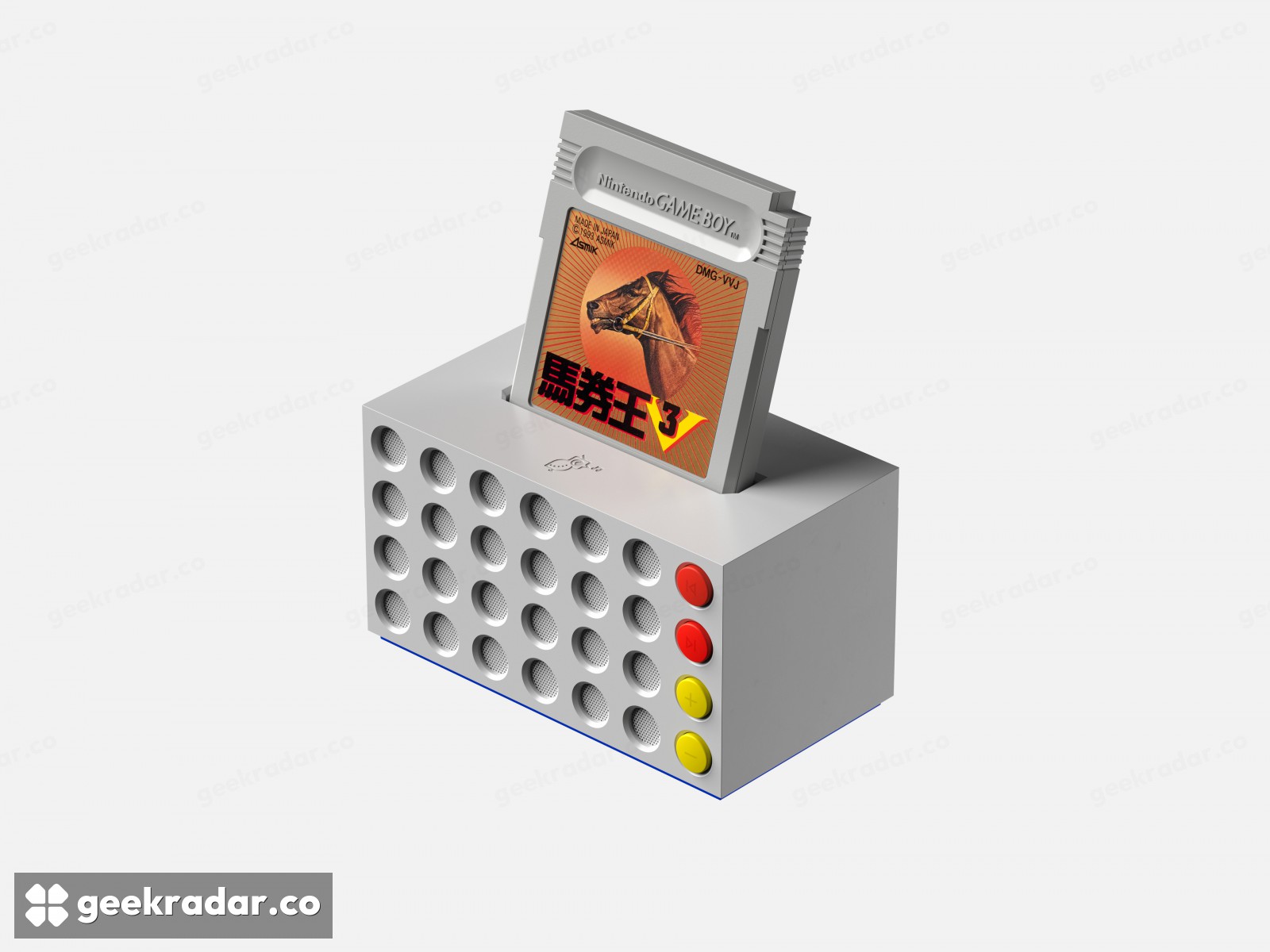
Retro Song Bird plays Game Boy cartridges and lets you hear all four sound channels separately
Bird Cartel’s crowdfunded speaker runs a cartridge’s own sound code. Its stereo output carries the whole tune, while USB lets musicians pull apart the arrangement.
A Game Boy cartridge can hold a tune you remember better than the level it came from. Bird Cartel’s Retro Song Bird lets you go straight to the music. Insert a supported cartridge, pick a track with the buttons on the speaker and the box runs the game’s sound code. Connect it to a computer and you can listen to each of the Game Boy’s four audio channels separately.
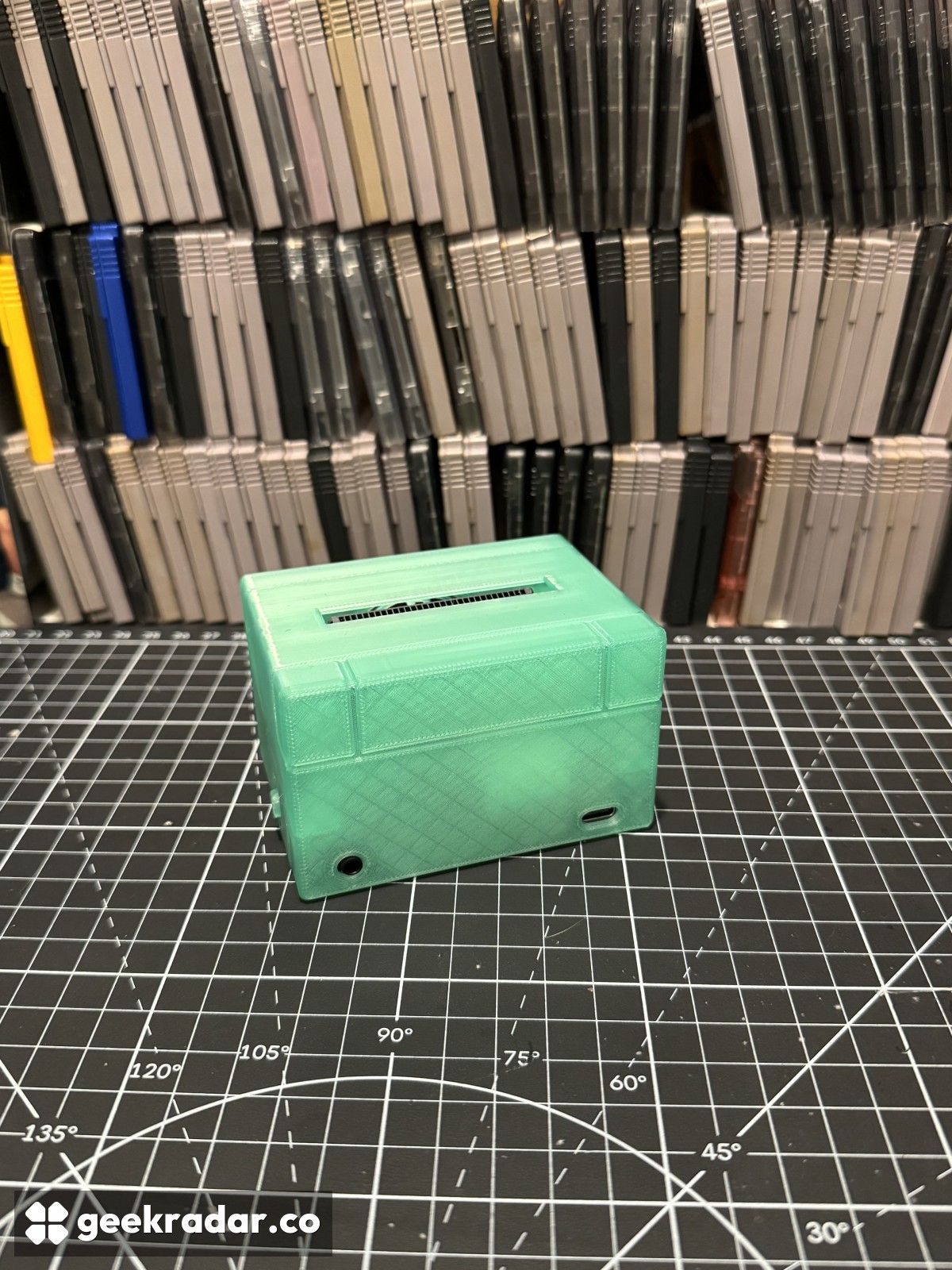
The independent maker opened its Kickstarter campaign on November 15. Tom’s Hardware reported on November 18 that the standard pledge starts at US$79, with shipments targeted to begin in April 2027. The working units so far are hand-built prototypes. Bird Cartel shows a different enclosure in its proposed production design.
Where the music comes from
Think about what happens when you skip to the next track on a CD player. It can find the recording because the disc tells it where each track begins. A game cartridge has a different job: it needs to play the right music when a race starts or the player walks through a door. The speaker has to find and run that part of the game without waiting for somebody to play the level.
Bird Cartel says it has mapped more than 1,900 Game Boy and Game Boy Color games. The player identifies the cartridge, looks up where its audio data lives and emulates the original sound hardware. The physical controls let you move between tracks and change the volume. The maker also lists sound effects. Compatibility depends on knowing how to read a particular game, so it’s worth checking any cartridge you’re buying the player for.
That gives a shelf of cartridges a different use from the Game Boy catalogue on Nintendo Switch Online. The proposed player brings no game library of its own. The cartridge in the slot supplies the material.
What a musician gets through USB
The stereo line output carries the combined music to an amplifier. USB can expose the two square-wave channels, the wave channel and the noise channel as four individual audio inputs for recording software. If you want to hear how a composer made percussion out of short bursts of noise, you can listen to that channel alone. With a stereo recording, the percussion has already been mixed with the melody.
One qualification matters here. A hardware channel is a place where the game makes sound, and its job can change halfway through a piece. Isolating one channel may uncover a bass line for a few bars and a sound effect a moment later. For someone studying the arrangement, that change of duties is part of what makes the recording interesting.
The campaign still has to turn its prototypes into repeatable production hardware. Retro Dodo’s campaign coverage distinguishes the planned enclosure from the units already built. For listeners, the immediate question is whether a favourite cart is supported. For musicians, there’s another reason to dig it out: that little flourish you’ve hummed for years might be two channels passing a phrase back and forth.