Four NEVS Emily GTs, one auction lot. The engineering drawings come with the cars
The Trollhättan team put a motor inside each wheel. Its November 25 auction includes the test mule and workshop materials behind the electric sedan.
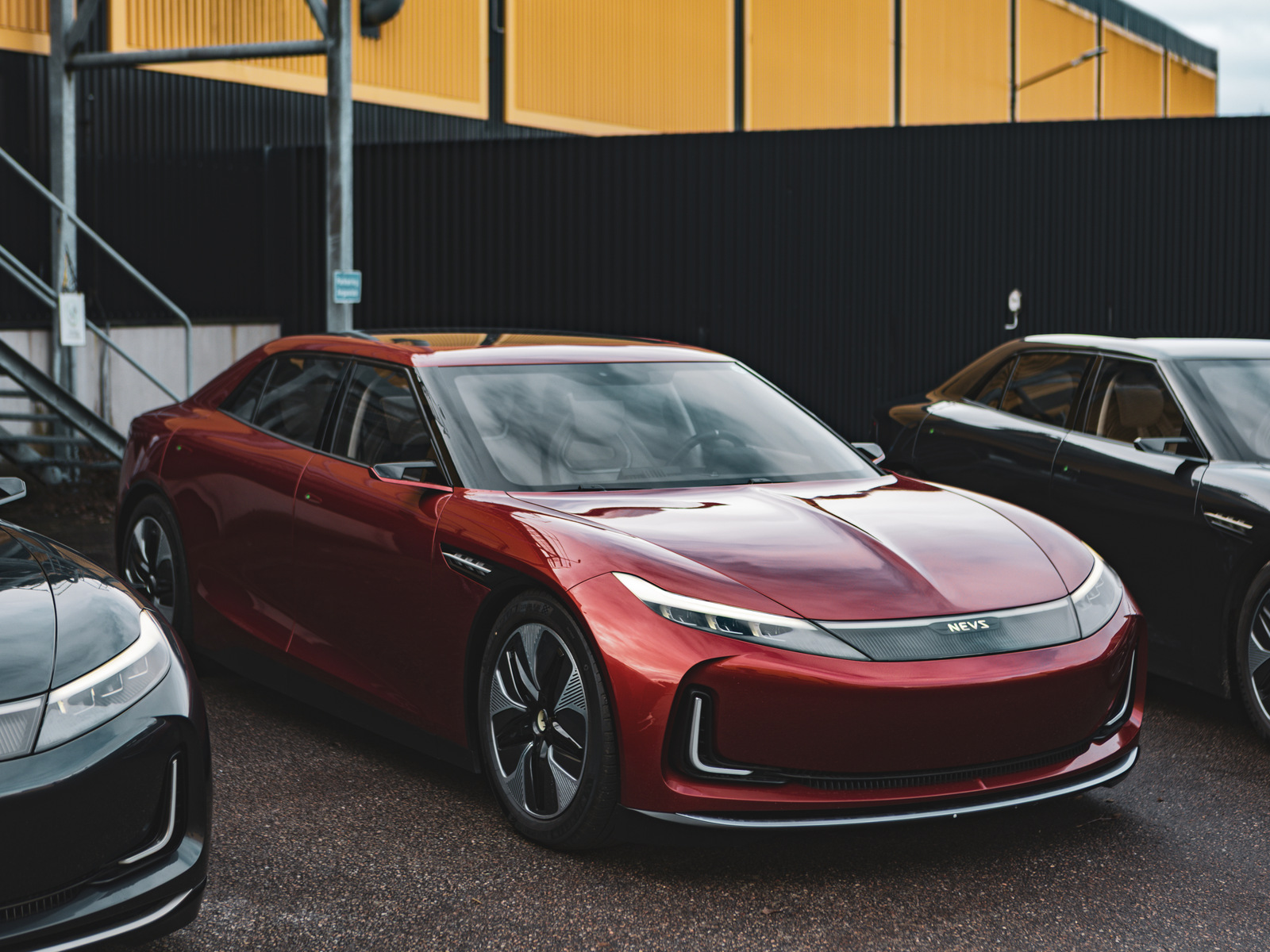
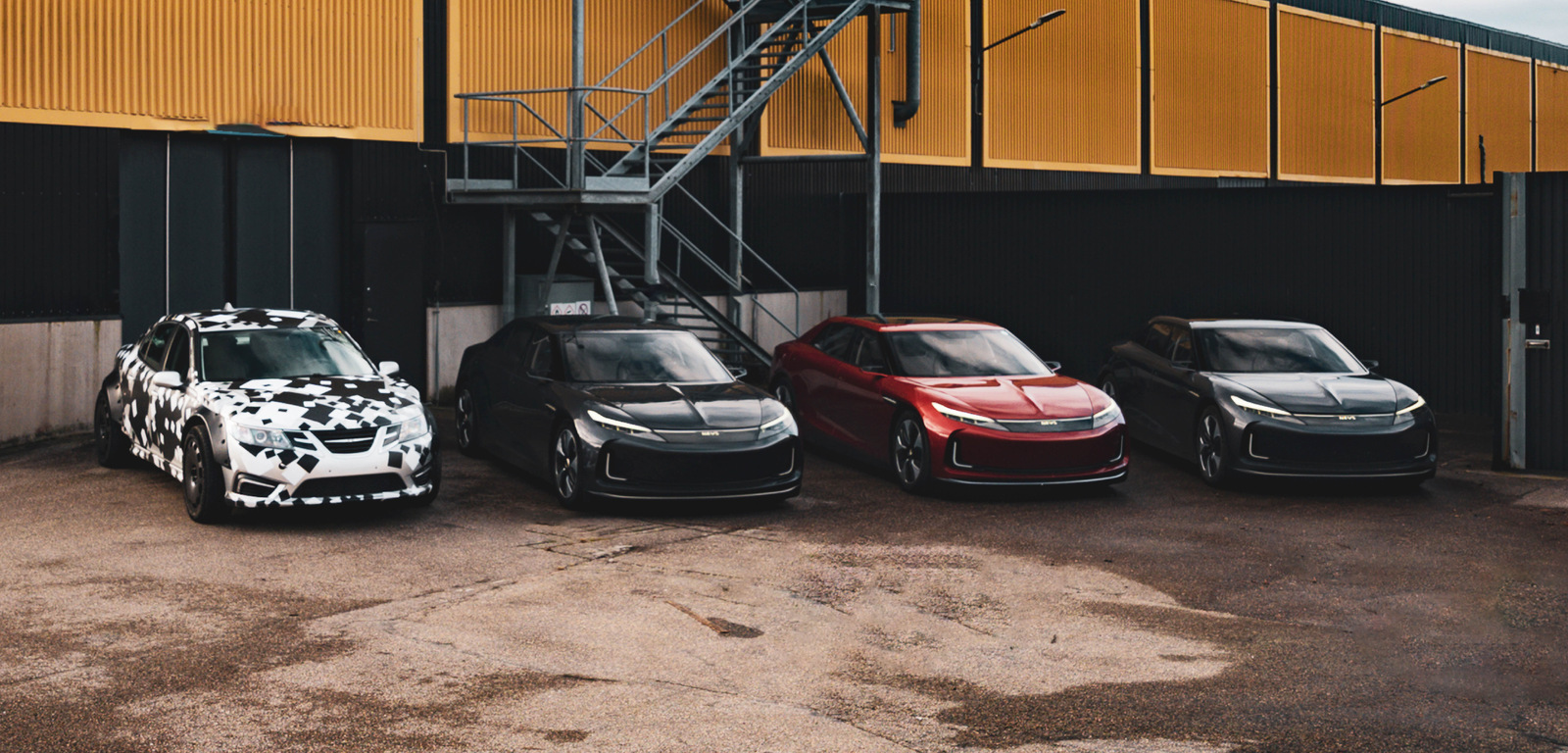
The four NEVS Emily GT electric sedans in Klaravik’s auction photographs come with one important condition: the buyer takes all four. When online bidding opens on November 25, the prototypes will share one lot with a fifth test vehicle, spare bodies, parts, tools and engineering drawings. The auction catalogue reads like the contents of a development workshop because that is what NEVS is selling. Bidding is scheduled to close on December 9.
The Saab connection runs through the people and the place. NEVS developed the Emily GT in Trollhättan, Sweden, with a team that included former Saab engineers. Work began in 2019–20, and the public first saw the car in spring 2023. It stayed a prototype. What makes the sale interesting is how much of an unusual drivetrain those engineers got into a car that, from across a parking lot, looks like a conventional sports sedan.
Four wheels, four motors
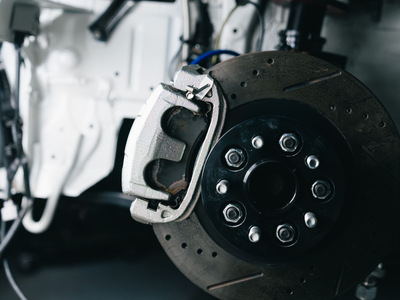
Look behind the wheels and the resemblance to an ordinary all-wheel-drive car falls away. Each wheel houses its own electric motor. Klaravik puts their combined output at about 360 kW. That figure covers the whole car. It says nothing by itself about how power is divided as the car turns.
Protean Electric supplied the in-wheel motors. Its description of the drive system explains the difference: each motor produces torque at its wheel, so a central differential and drive shafts are unnecessary. The controller can ask the outside wheel for more turning force than the inside wheel. That difference can help rotate the car into a bend. One suspension design constraint follows directly from that layout: a motor in the wheel moves up and down with it over a bump. The headline power figure captures neither side of that tradeoff.
What the drawings add to the deal
The fifth vehicle is a development mule, a car used to test engineering before the finished design is ready. Klaravik lists it separately from the four complete prototypes. For a buyer trying to understand an assembly, the combination matters. One intact car shows where the part fits; a spare body and a drawing let someone inspect the same area without dismantling that car.
A second NEVS project is being sold separately. Pons was conceived for driverless urban transport and includes a Sango shuttle designed for up to six passengers. Its presence in the same sale announcement does not put a robotaxi in the Emily GT lot.
There is no new-car price or delivery date here. As our look at Volkswagen’s small electric cars illustrates, even a car headed for showrooms needs a specific configuration before its figures mean much to a buyer. The Emily is a step further back. On December 9 someone could acquire the car, the tools and the drawing that explains how one fits the other. Building the next one would still be a separate decision.