
Meta launches Muse in the UK. Here’s where a shopping task stops for your approval
Muse can compare items after you close the app. Connecting a retailer, letting the agent read your inbox and authorising a purchase give it three different permissions.
Meta has launched Muse in the UK with the ability to shop on someone’s behalf. An adult can ask the agent to look for a gift, close the app and let it carry on comparing options. When the task reaches checkout, the agent has to come back. Meta says each purchase needs a separate approval, even if the shopper has already connected the store and saved a payment method. Meta’s UK launch announcement and its guide to permissions describe where that handover happens.
Muse is free to use, with optional subscriptions for heavier use. The UK launch covers iOS, Android, the web and WhatsApp for people aged 18 and over. Meta names Currys, Marks & Spencer, Trainline and easyJet among the partners it is working with. That list takes some unpacking. At some partners, a customer can connect an account so Muse can retrieve an existing booking or reorder something. At others, the agent navigates the retailer’s website. A familiar brand on the list tells you little about how much of your shopping history Muse can see.
Finding an item and paying for it are separate jobs
Imagine asking Muse to find a particular pair of shoes in time for a birthday. Checking sizes, comparing delivery estimates and preparing an order are the kinds of browser work it can do while the app is closed. The Muse Spark model powers the agent, but a different service handles the payment credentials. On sites that support Shop Pay, a shopper can use the payment and shipping details already stored with Shopify. Meta also supports Link, Stripe’s wallet. Stripe describes how Link works with Muse: one of its payment routes uses a virtual card limited to the approved purchase, without exposing the underlying card number to the agent.
That separation protects the payment details. It still leaves a job for the person looking at the proposed order. The correct price for the wrong shoe size is a perfectly plausible total. The point to check the item, the seller and the promised arrival date is when Muse brings back the order, while changing it still means editing a basket.
Watching a task already in motion
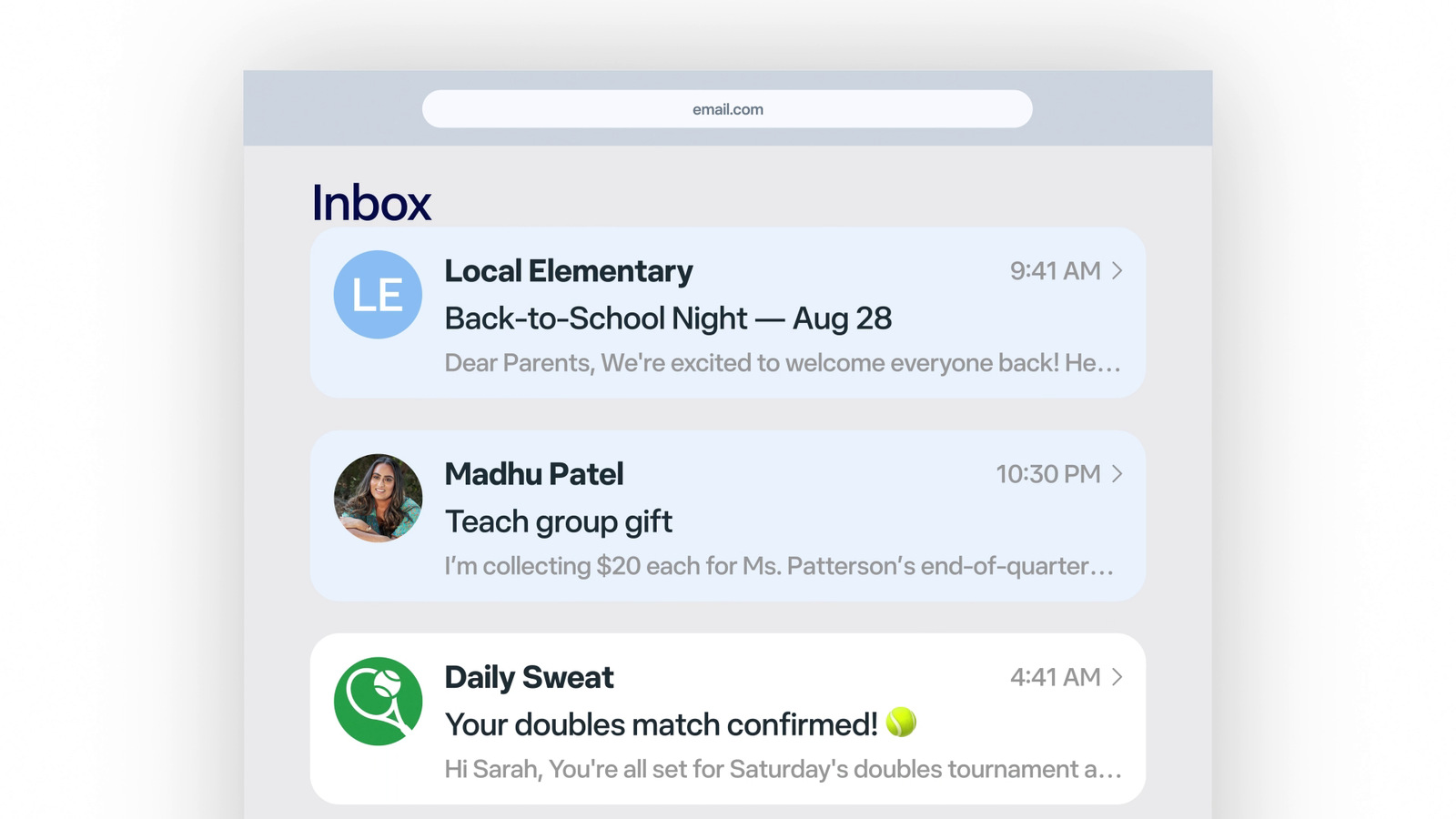
A purchase is easy to recognise. Permission to read an account is less conspicuous. Meta says a user can, for example, let Muse read email without granting it permission to send. Its activity log records actions and permissions. The browser controls let someone open a view of the session, take over the browser or stop the task. That matters for recurring work kept in a Muse Space: a standing request to keep looking for a gift can outlive the chat where it began. The shopping brief can stay open for days. The decision to buy still belongs to the shopper.