GTA VI keeps ray-traced reflections on Xbox Series S, but slips below 30fps in traffic
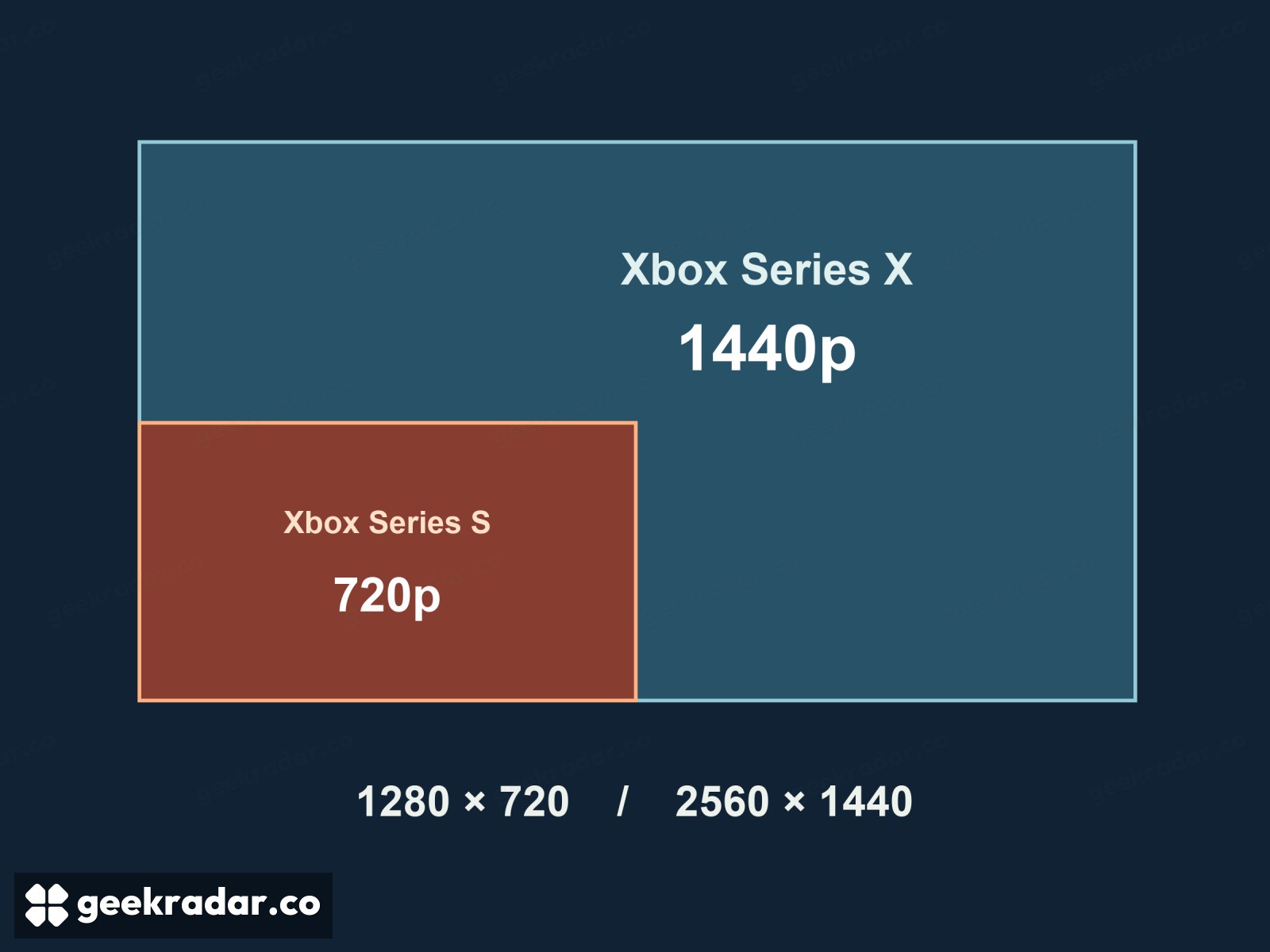
Digital Foundry counted 720p internally on Series S and 1440p on Series X. Its launch tests show why the bigger difference is easier to feel in traffic than to see in a still.
Drive a slow car through Grand Theft Auto VI on Xbox Series S and the frame rate can spend long stretches in the mid-to-high twenties. In Digital Foundry’s Xbox launch analysis, Oliver Mackenzie found that even ordinary driving could take the smaller console below its 30 frames per second target. On Series X, most of the combat he tested held 30fps. You do not need to seek out the busiest chase in Leonida for the two Xbox versions to feel different.
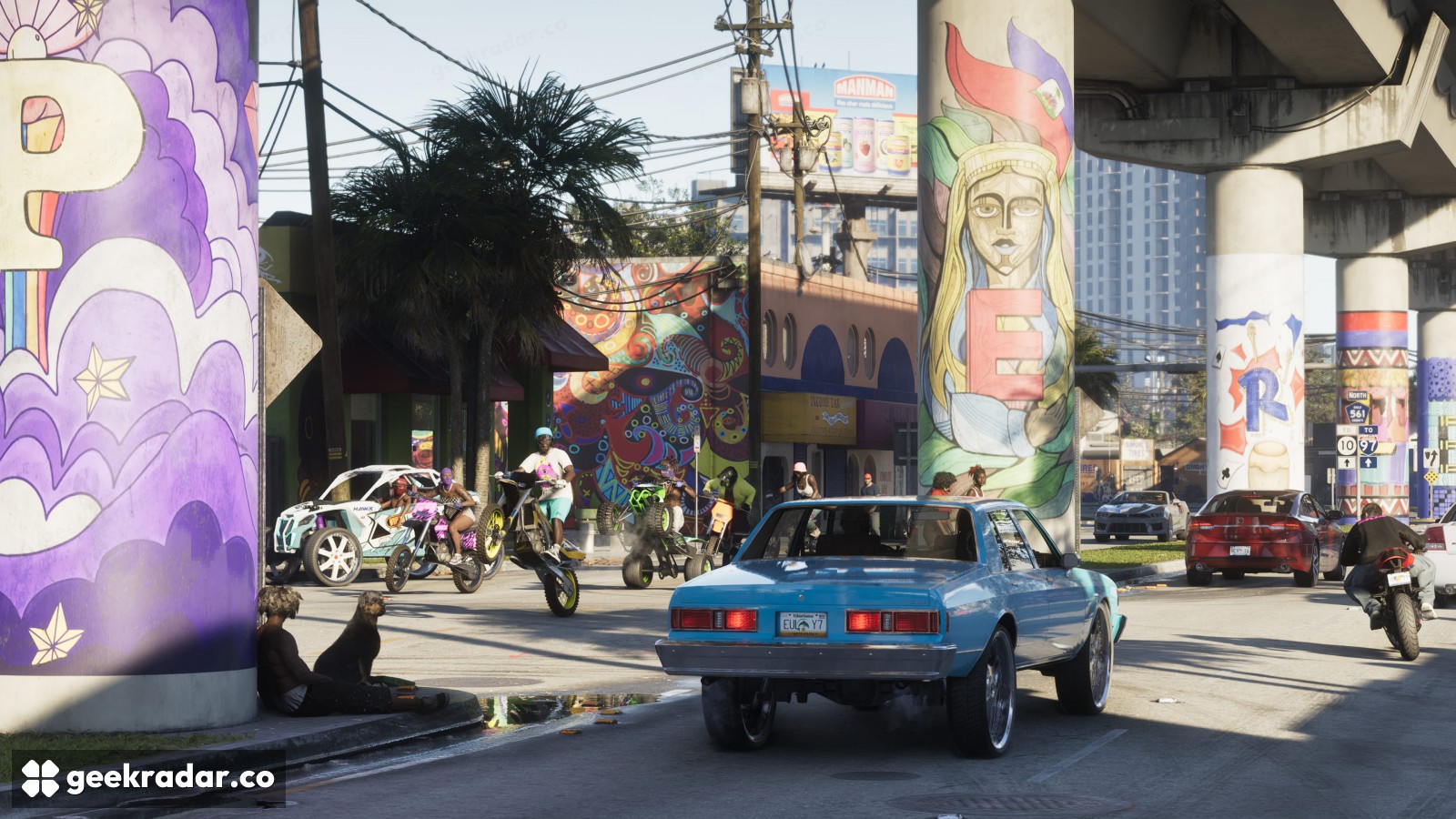
A still image tells a more surprising story. Series S keeps individual strands of character hair and ray-traced reflections, two features that might have been obvious things to cut. The reflections are softer, shadows less tidy and lighting less precise than on Series X. In motion, though, the more consequential difference is how often the game can finish drawing the next frame on time. VGC’s account of Mackenzie’s findings
What the 720p and 1440p figures measure
Mackenzie counted an internal resolution of 720p on Series S in his samples, against 1440p on Series X. At a 16:9 aspect ratio, those figures correspond to roughly 0.92 million and 3.69 million pixels per frame. The smaller machine starts with half as many pixels across and half as many down. Multiply the two dimensions and its starting image contains a quarter as many pixels.
That ratio describes an intermediate image inside the rendering process. You can connect both consoles to the same 4K television and the pixel grid on the panel stays exactly the same. What changes is how much information the game has to work with before it builds the image for display. In Mackenzie’s comparison, the final Series S image held up better beside Series X than the raw pixel counts might suggest. Those counts alone cannot tell you how a moving car or a reflection will look on your screen.
Why the drop is easier to notice behind the wheel
At a steady 30fps, a new frame appears roughly every 33 milliseconds. At 25fps that interval averages 40 milliseconds; at 20fps it reaches 50. Think of the painted lane markings passing beneath a car. At the same road speed, each new picture shows a larger jump in their position when there are fewer pictures per second. If the intervals vary as well, the movement loses its regular beat. These are illustrations of what the measured rates mean, not additional measurements of input latency.
Mackenzie observed the drops during traversal and encounters with multiple characters. That tells us where they appeared in his test. A frame-rate trace alone cannot establish which processor or part of the engine took too long. Turning down the internal resolution reduces some graphics work, but the game still has to update the people and vehicles in the street and bring the next stretch of city into view.
Our PS5 Pro analysis looked at what a sharper, steadier presentation adds to the same 30fps target. The Xbox comparison gives owners a more immediate way to weigh the launch versions. Pause in a Vice City street and both machines can show you reflections and fine strands of hair. Take the next turn at speed and Series X is more likely to get the next frame there on time.