GTA VI approaches a market where GTA V is still selling
Alinea’s November estimates show continuing demand for the older game. Copies, subscription arrivals and active users cannot be added into one audience count.
In this guide
GTA VI is approaching a market in which GTA V is still attracting buyers. Alinea Analytics’ Rhys Elliott estimated on November 13 that the older game had sold another 150,000 copies across PlayStation, Xbox and Steam during the first 12 days of the month. That is evidence of continuing demand around the sequel’s launch, not proof that GTA VI caused every sale.
The figures have received renewed attention in RockstarINTEL’s November 17 coverage. They are third-party estimates, with a defined platform scope. They should not be read as Rockstar’s audited worldwide sales statement or as a running total updated to today.
Copies, subscribers and active players are different measures
Elliott separately estimates 85,000 new players through PlayStation Plus and 16 million monthly active users across the tracked platforms. Each number answers a different question: transactions, a subscription access route and recent participation.
Adding those numbers together would not produce a meaningful audience total. A buyer can also become an active player, and subscription access is not the same transaction as purchasing a copy. The audience measure can include people who bought the game long before the period used for the sales estimate.
The distinction is especially important when comparing a thirteen-year-old game with a new release. An established title has accumulated owners who may return without buying anything. A launch can sell many copies before those buyers have spent enough time to establish a lasting play pattern.
A shared audience creates competition for evenings
Alinea’s post also describes overlap between recent GTA V players and other large games. The useful implication is that players do not divide neatly into exclusive franchise camps. Someone can play GTA, Fortnite and Rocket League in the same month without treating any of them as a permanent replacement for the others.
That makes a major launch a competition for time as much as a competition for purchases. Buying GTA VI does not require deleting every existing game. Spending a long evening in Leonida nevertheless leaves fewer hours for another title’s season or social group.
The duration of that change matters. A busy first weekend might be followed by a return to established habits, or a new routine might develop. The prelaunch estimates cannot tell us which outcome will dominate. Elliott’s prediction that other games could lose engagement is an analyst’s expectation, not a measured postlaunch result.
The old game remains its own purchase
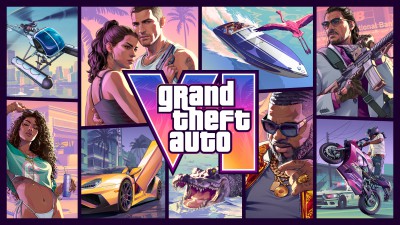
Rockstar’s GTA VI page identifies the new game and its launch platforms. GTA V’s continued sales should not be interpreted as evidence that it is required preparation, that its purchase includes GTA VI or that every online progression system carries forward.
Our discussion of single-player launch and future online coverage keeps those product boundaries separate. An account can have a history with one game without acquiring an entitlement to the next.
The interesting commercial picture is coexistence. GTA V can keep earning attention while GTA VI becomes the next major event. What these estimates cannot yet show is how that attention settles after release. The first meaningful comparison will need the same platforms, the same units and comparable time windows; otherwise the biggest-looking number wins an argument it was never designed to answer.