Why choosing Firefox on an iPhone still gets you Apple’s browser engine
Mozilla says bringing Gecko to existing EU users would require a second Firefox app. Apple’s choice screen can offer a new app to new users, but that leaves a migration problem.
Choose Firefox as the default browser on an iPhone in the European Union and a link in an email will open in Mozilla’s app. The software that turns the website’s code into the page you see is still Apple’s WebKit. Mozilla wants to use Gecko, the engine it ships in desktop Firefox. Its account of trying to bring Gecko to iOS identifies a hitch for people who have already chosen Firefox: Mozilla says it would have to ask them to download a second app.
That distinction is now before the European Commission. Mozilla and Shopify are among the signatories of a joint letter seeking enforcement under the Digital Markets Act. On November 24, MacRumors reported the Commission’s response to Politico: it was discussing the issue with Apple and consulting the signatories. The coalition is asking for formal proceedings. The reported response describes talks.
What changes when a link opens
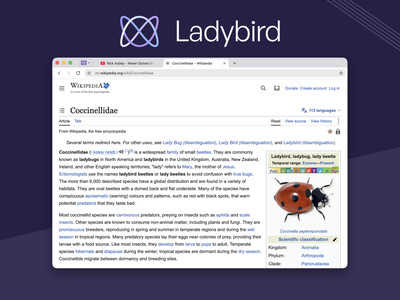
A browser app can organize tabs, store bookmarks and give its address bar a distinctive set of shortcuts. Its engine does a different job. It interprets the page, lays out text and images and runs the scripts that make the site respond. If a website relies on a feature that one engine implements differently from another, changing the toolbar around it won’t settle the difference. We saw the practical consequences of those choices in Ladybird’s first public alpha.
Apple’s EU developer rules allow browser makers to apply for permission to ship another engine on iOS 17.4 or later and iPadOS 18 or later. Apple asks for evidence of compatibility with web standards, a way for people to report security problems, and a commitment to fixing them. There is a reason an engine merits that scrutiny: it processes instructions from sites its developers have never seen. Apple also imposes a distribution condition. The app qualifying under its EU programme must be distributed in that region.
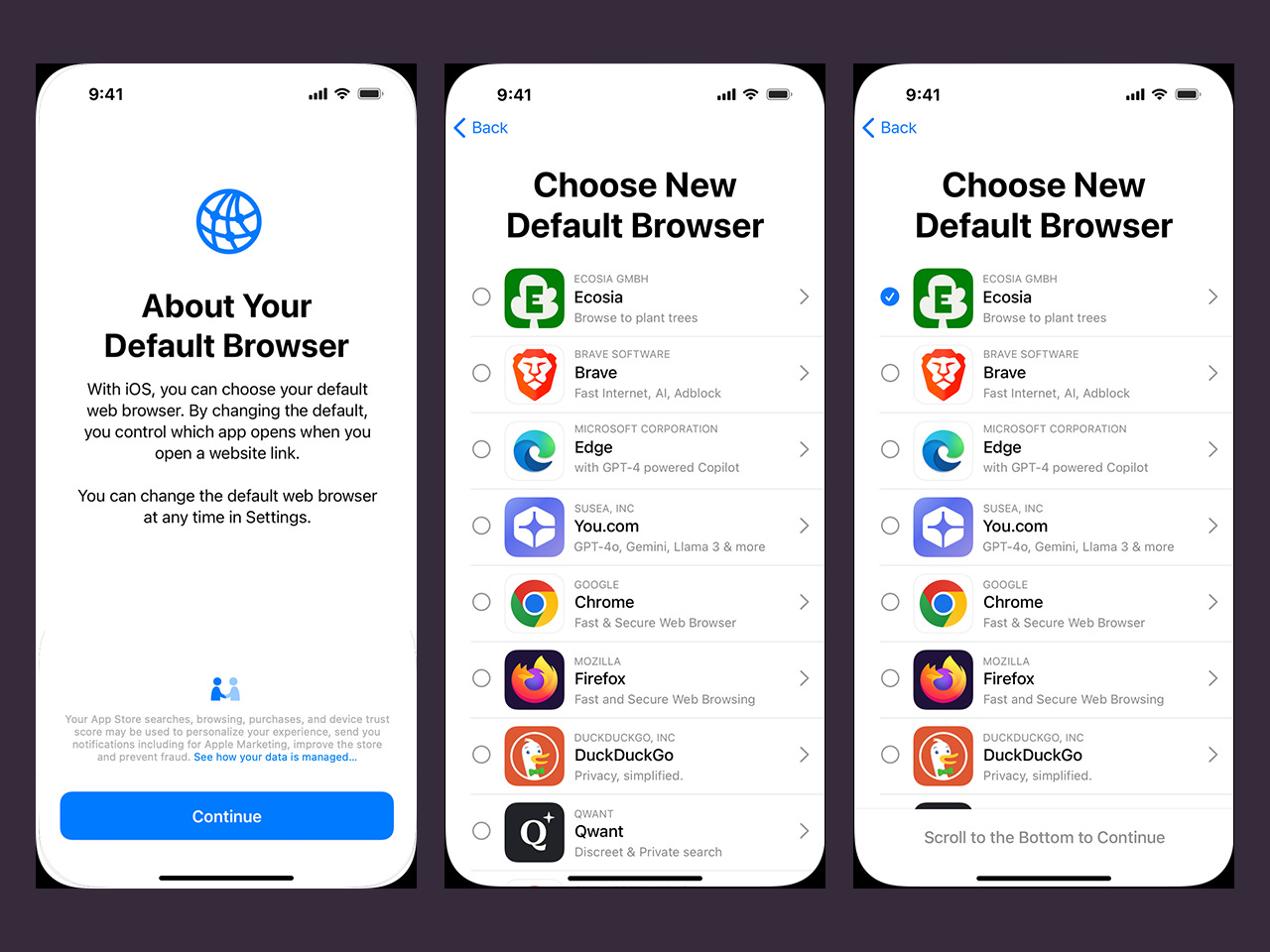
The users who already made their choice
For Mozilla, that last requirement changes the release plan. Ordinarily, an update can put new code on a phone while keeping the app and its local data in place. Mozilla says a Gecko version would require an independent download. An existing user could have years of saved passwords, bookmarks and browsing history in the first app. Getting the new engine would mean moving that information and switching apps, even though the name they chose in the first place was Firefox.
Apple’s choice-screen documentation contains a revealing detail: a developer can nominate its alternative-engine edition for the list. That could help someone choosing a browser on a new phone discover the Gecko version if Mozilla released it. But on iOS 18.2 and later, Apple says someone who already has a browser other than Safari set as default won’t be presented with that screen. A slot in the list gets a new app in front of one audience. It still leaves Mozilla with the awkward task of reaching the people who chose it the first time.